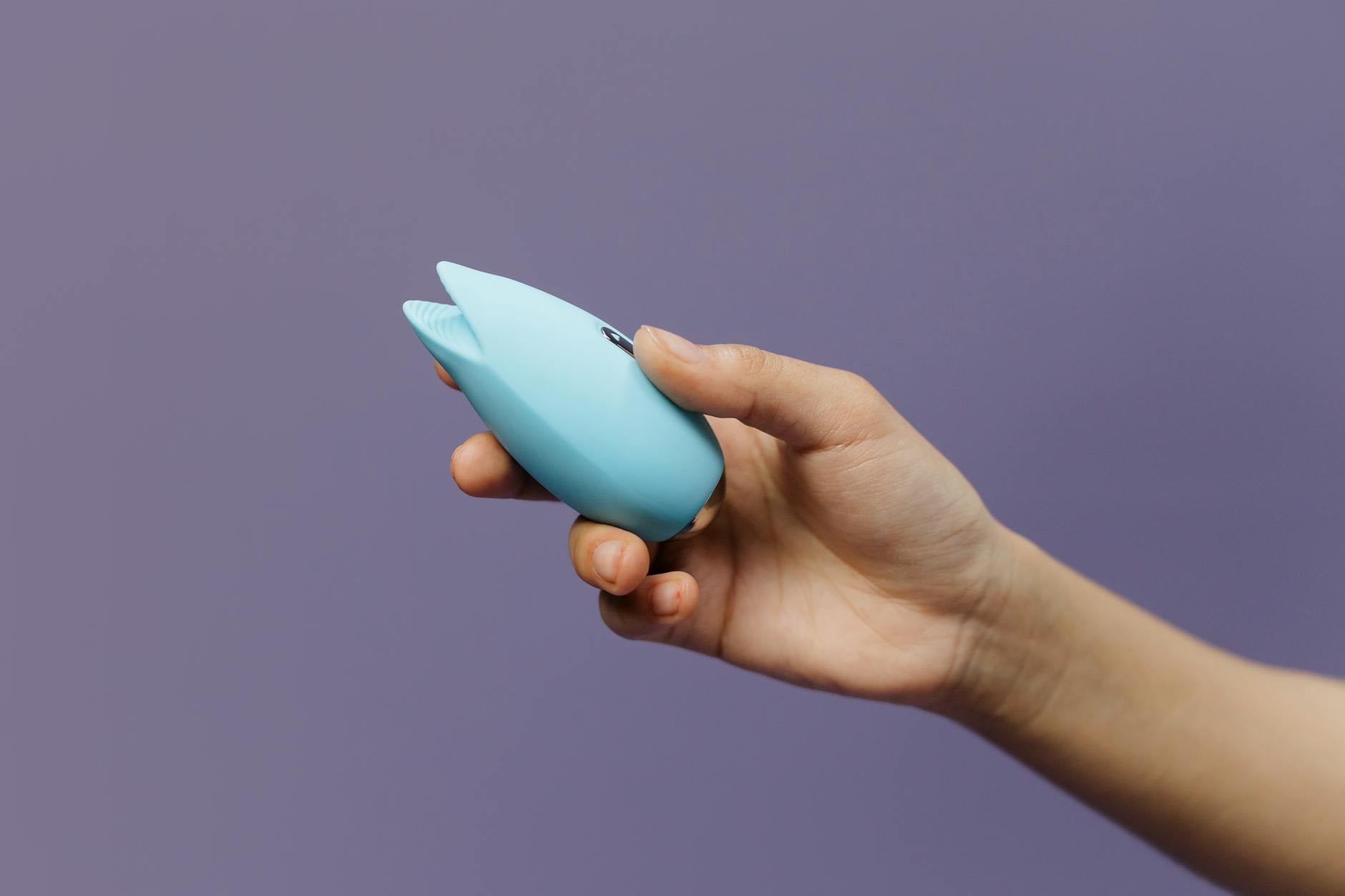
Here's the thing about lube and clitoral vibrators
You don't technically need lubrication to use a clitoral vibrator. But that doesn't mean you shouldn't. The difference between using lube and going in dry with your lemon clitoral vibrator is the difference between good and genuinely transformative. And that's worth understanding before you decide.
The clitoris isn't a vaginal space. It doesn't self-lubricate the way the vagina does. That's not a design flaw. It's just anatomy. A lemon sucker or any clitoral vibrator works through suction and vibration on external tissue that has zero natural lubrication, which means the relationship between your toy and your skin is drier and more direct than most people assume.
What lubrication actually changes
When you add lube to a clitoral vibrator, you're doing three things at once. You're reducing friction between the toy and your skin, which makes the sensation feel smoother and less abrasive. You're creating a slight glide that distributes the stimulation more evenly across the area instead of concentrating it in one spot. And you're warming the toy slightly, which makes the whole experience feel less clinical and more integrated with your body.
People often think of lube as purely practical. Something you add because things are uncomfortable. But with clitoral toys, lube is actually part of the sensation design. It's the difference between feeling the raw buzz of a vibrator and feeling that buzz travel smoothly through your tissue without grabbing or pulling.
Without lube, clitoral vibrators can feel intense in a way that's either wildly pleasurable or just irritating, depending on your sensitivity. With lube, that intensity becomes more nuanced. You feel the depth of the stimulation instead of just the friction.
How sensitive tissue changes the equation
If you have a sensitive clitoris, lube isn't optional. It's foundational. People with highly sensitive tissue often find that direct vibration feels overwhelming without a buffer. Lube is that buffer. It lets you use your lemon vibrator at the pattern and intensity you actually want instead of settling for the lowest setting because anything else burns.
Sensitivity can shift based on where you are in your cycle, stress levels, or how much time has passed since you last used your toy. If you've been using a clitoral vibrator regularly and suddenly it feels rawer, that's not a sign something's wrong. It usually means your tissue is more sensitive that day, and adding lube solves it immediately.
After hormonal changes or if you're on certain medications, tissue can become thinner and more delicate. In those cases, lubrication isn't a luxury. It's a necessity if you want to use your lemon clitoral vibrator without discomfort. This is especially true for people in their 40s and beyond, or anyone whose tissue composition has shifted.
The lube type actually matters here
Not all lubricants work the same with silicone toys. This is important because most Hello Nancy vibrators, including the Lemon clitoral vibrator, are made from silicone.
Water-based lube is the safe choice. It doesn't degrade silicone, rinses off easily, and works well for most people. The downside is that it can dry out faster, especially during longer sessions. If you're using a water-based lube, you might need to reapply halfway through.
Oil-based lubes feel richer and last longer, but they can damage silicone toys. If you're using coconut oil or another natural oil, you're actually breaking down the toy's surface over time. Stick to water-based.
Silicone-based lube feels the most luxurious and lasts the longest, but you absolutely cannot use it with silicone toys. It's silicone on silicone, which causes degradation. Save that for non-silicone toys only.
Lube with numbing agents is something I'd skip for clitoral work. You want to feel what's happening in your body, not reduce sensation further. The whole point of using a tool like a lemon vibrator is to notice and respond to your actual pleasure signals.
When you might skip lube
There are moments when lube genuinely isn't necessary. If you're already highly aroused and naturally lubricated, adding extra lube can actually dilute sensation. Some people find that during the final phase of arousal, when they're very close to orgasm, lube gets in the way of the intensity they need.
If you're using a suction toy like the Lem, which relies on creating a seal, too much lube can actually break that seal and reduce the suction sensation. In that case, a light amount of lube or even no lube can be the right call.
Some people genuinely prefer the friction of a dry toy. That preference is valid. If that's you, the most important thing is that you're not experiencing pain or irritation. Roughness is different from pain. Discomfort that goes away when you stop is different from tissue damage. Know which one you're having.
How to use lube with clitoral vibrators
Less is more. A quarter-size amount is usually enough for a full session. Apply it to the toy, not directly to your body, so you control how much reaches your skin.
Let it warm slightly before you turn the toy on. The temperature difference between cold lube and your body is genuinely distracting. A few seconds against your skin does it.
Reapply if things start to feel dry, but don't assume that dryness means you're losing arousal. Sometimes it just means the lube has absorbed or evaporated. One more application often unlocks a whole new level.
If you're using the lube during partnered play, communication becomes crucial. Let your partner know if you need more, if you want less, or if the rhythm needs to shift. Lube changes how the toy feels for the person using it and sometimes changes what they need in terms of pressure or movement.
The sensitivity conversation you probably haven't had
Many people assume they're not sensitive. Then they try lube and realize they were just overcompensating for friction by tensing their body or limiting their sessions. Using a clitoral vibrator with lube should feel expansive, not protective.
If you find yourself tensing up during use, stopping because things feel uncomfortable, or keeping sessions shorter than you'd like, lube is worth experimenting with. It might not be a sensitivity issue. It might just be friction.
For people in longer relationships, this is worth discussing with your partner. If they're the ones applying the toy, they might have a preference about lube that's separate from yours. The toy might feel different in their hand with lube. The control might feel easier or harder. This is normal to negotiate.
When to consider external support
If lube doesn't solve discomfort, something else might be going on. Skin irritation, infection, or tissue changes that need medical attention won't improve with more lubrication. A gynaecologist or sexual health specialist can help you figure out what's actually happening.
Genitourinary syndrome (GSM) is real and common, especially for people with shifting hormones. It's also highly treatable. If your clitoral tissue feels persistently uncomfortable even with lube and arousal, that's worth mentioning to a doctor.
The goal of using a lemon vibrator should be pleasure, ease, and genuine sensation. If you're struggling to get there, the answer is usually some combination of lube, time, and communication. All three matter equally.
FAQ: Lubrication and clitoral vibrators
Is water-based lube really safe for silicone toys?
Yes. Water-based lube is the gold standard for silicone sex toys. It won't degrade the silicone, cleans up easily with water, and works beautifully with clitoral vibrators. The only downside is that it can dry out during longer sessions, which just means reapplying once. Many people find that small inconvenience worth the safety and sensation.
Can I use natural oils like coconut oil with my lemon clitoral vibrator?
Not if you want your toy to last. Coconut oil and other natural oils break down silicone over time, even though they feel luxurious. Stick to water-based lube with silicone toys. You can use oils with non-silicone partners, but your Hello Nancy vibrators need water-based only.
How often should I reapply lube during a session?
It depends on the lube and how long you're going. Water-based lubes usually need reapplication after 10 to 15 minutes of use. Apply a small amount to the toy, not your body, so you stay in control of how much is present. You'll quickly learn your own rhythm.
Does using lube change how the suction feels on a lemon sucker vibrator?
Yes, it can. Suction toys like the Lem rely on creating an airtight seal. Too much lube can break that seal and reduce suction sensation. With suction toys, use less lube than you might with a standard clitoral vibrator. Some people find that a very light amount is perfect, while others skip lube entirely with suction toys. Experiment to find your preference.
What if my clitoral tissue feels sensitive even with lube?
Sensitivity is normal and shifts based on your cycle, stress, arousal level, and hormonal status. If lube helps but doesn't completely eliminate discomfort, try using your toy at a lower intensity or for shorter sessions, then build back up. If sensitivity persists and causes pain (not just intensity), talk to a gynaecologist. Conditions like GSM are treatable and shouldn't stop you from using your toys.
Can I use saliva as lube with my clitoral vibrator?
Technically, yes, but it's not ideal. Saliva dries quickly, so you'd need to keep reapplying. It also mixes with bacteria from your mouth, which isn't great for toy hygiene. A proper water-based lube is designed to stay effective longer and is more hygienic. Save saliva for partnered play and reach for actual lube for solo sessions.
The bottom line
Lubrication matters with clitoral vibrators, but it's not complicated. Water-based lube, a small amount, and reapplication as needed usually solves most discomfort and opens up sensation you might not have known was possible. If you've been using a lemon vibrator dry and wondering why the experience doesn't match what you hear from other people, lube is probably the missing piece. Your pleasure deserves that investment.