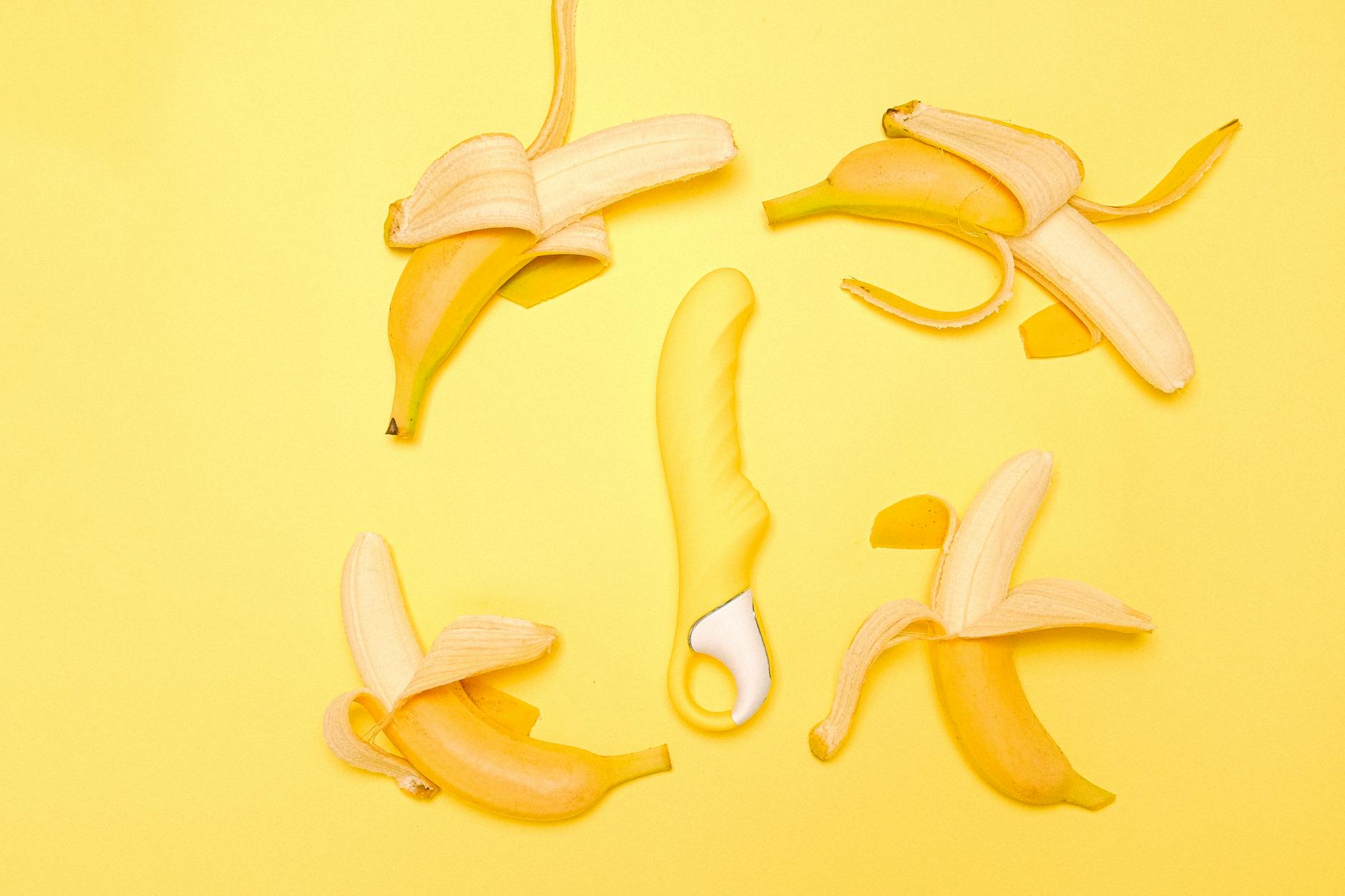
How to Clean a Lemon Vibrator: Safe Methods for Silicone Toys Without Damaging Them
Let's be real: if you're not cleaning your lemon vibrator properly, you're either gambling with your health or letting anxiety stop you from using it. Neither is the goal.
Silicone is durable, but it's also picky. Use the wrong cleaner and you can degrade the material from the inside out. Skip cleaning altogether and you're inviting bacteria to a party in an intimate space. The good news? There's a straightforward middle path, and I'm going to walk you through it.
Why cleaning your lemon clitoral vibrator actually matters
Your body is hosting a complex ecosystem of bacteria and microorganisms. That's not scary—it's normal. But when you introduce a sex toy into that environment, you're creating a direct pathway for anything living on the toy's surface to get into sensitive tissue. Over time, buildup of bacteria, dust, and bodily fluids can create an environment where infections become more likely.
Adult toys also cost money. A quality lemon vibrator is an investment, and proper care extends its life by years. Silicone that's been cleaned correctly will stay soft, responsive, and intact. Silicone that's been exposed to harsh chemicals or abrasive methods? It starts to break down. You'll notice tackiness, discoloration, or a waxy buildup that signals degradation.
Clean toys = safer pleasure + longer-lasting product. That's the equation.
The right way to clean silicone: hot water and mild soap
Start here. This is your baseline, and it handles 95% of cleaning needs.
After you use your lemon vibrator, run it under warm water. Not scalding—warm. Scalding water can damage the plastic battery compartment and seals over time. Use your fingers or a soft cloth to gently rub the entire surface, paying special attention to any texture or crevices where fluid might collect.
Add a tiny drop of unscented, anti-bacterial hand soap or body wash—think the kind you'd use on your face, not dish soap. Castile soap works beautifully too. Work it into a light lather, then rinse thoroughly under running water until there's zero soapy residue.
Pat it dry with a clean cloth or paper towel. Don't leave it wet on a bathroom counter where dust and hair settle. Let it air-dry completely before storing it.
That's it. Do this every time you use your toy, and you've eliminated 99% of the risk.
What NOT to use on your lemon vibrator
This matters because a lot of people guess wrong here.
Dishwasher: Do not put your silicone adult toys in the dishwasher. The heat cycles are too aggressive for the materials, and the soap is designed to break down grease and food particles, not intimate care. You'll damage it.
Bleach or harsh chemical cleaners: These degrade silicone on a molecular level. You might not see it happen immediately, but it's happening. Same goes for window cleaner, bathroom spray, or anything with heavy-duty antibacterial agents. Skip it entirely.
Excessive heat: Hot water is fine. Boiling water or exposure to direct heat sources (ovens, microwaves, radiators) can warp the material and damage electronics. A microwave especially will destroy a lemon vibrator.
Alcohol-based wipes or hand sanitizer: These dry out and degrade silicone. They might kill bacteria, but they also kill the toy's integrity. Not a trade worth making.
Scubbing brushes or abrasive sponges: Your silicone is soft for a reason. Scrubbing aggressively can cause tiny tears that become entry points for bacteria. Gentle touch only.
Deeper cleaning when you want extra assurance
Once a month or so, you might want a more thorough clean. This is totally optional, but it's good maintenance if your toy gets heavy use.
Boil a clean pot of water. Remove it from heat and let it cool to warm (not hot, not room temp—comfortably warm to the touch). Drop your lemon clitoral vibrator in for about 5-10 minutes. This kills off bacteria without the shock of extreme heat.
Remove it carefully, let it cool, and dry it completely. Don't leave it soaking—extended water exposure can eventually seep into the battery compartment seals, even with quality toys.
Alternatively, use a toy cleaner spray designed specifically for silicone. These are pH-balanced and formulated to clean without degrading the material. Apply it, let it sit for 30 seconds, rinse thoroughly, and dry. A few trusted brands exist, but honestly, soap and water does the job just as well and costs less.
Storage matters just as much as cleaning
A clean toy stored badly is a toy that's only half protected.
Keep your lemon vibrator in a clean, dry place. A dedicated toy bag or soft pouch is ideal—something breathable so moisture doesn't get trapped. Avoid plastic cases that create humid pockets. If your toy shares space with other silicone toys, make sure they're not touching each other for extended periods. Silicone can stick to silicone under certain conditions, and you can end up with surface damage.
Store it away from direct sunlight, heat sources, and extreme cold. Your nightstand drawer is perfect. A bathroom cabinet is fine. The top of a radiator or a sunny windowsill? Not great.
Keep it away from oils, powders, and lotions. These can build up on the surface and create a sticky residue that attracts dust. If you're using lube (which, with a lemon sucker-style toy, you should be), make sure it's water-based if you're using silicone. Oil-based lubes can degrade silicone. Always check the bottle.
The battery compartment needs attention too
If your lemon vibrator has a removable or rechargeable battery, that's a separate cleaning consideration.
Wipe the external battery contacts with a dry cloth occasionally. If water has gotten near the charging port, dry it immediately. Don't submerge the toy if it has removable batteries—just clean the outside as described.
If the battery is internal and sealed (most modern lemon clitoral vibrators), you don't need to worry about water getting in if you're rinsing the outside. The waterproofing is designed exactly for this.
Check your toy's manual or the brand website to confirm the waterproofing specs. Some are fully submersible; others are splash-resistant only. Know which you have, and stay within those boundaries.
What to do if you notice something wrong
If your lemon vibrator starts to feel tacky, sticky, or oily despite cleaning, that's degradation. It happens faster if you've been using the wrong cleaners or storing it poorly. Unfortunately, once silicone degrades, you can't reverse it. The toy should be replaced to keep your body safe.
If you notice discoloration, small tears, or the battery contacts are corroded, same call. These are signs the material or electronics are compromised.
If you've never cleaned it and want to bring it back into rotation after a long break, do a deep clean as described above. One warm soak to kill bacteria, then a gentle wash. You're good to go.
Most people who care for their lemon clitoral vibrators properly get years of use out of them. That includes everyday lemon vibrators like our bestselling Lem, which users consistently report feels identical after a year or more of regular use. Care matters.
Wrapping up: make it a habit
Clean your toy after use. Dry it completely. Store it somewhere cool and dry. That's the whole system.
It takes maybe 90 seconds after use, and it's the difference between a toy that lasts you three years and one that starts to degrade after six months. Plus, knowing your pleasure tool is clean removes any nagging anxiety and lets you focus on actual pleasure instead of worry.
Your body deserves that. Your toy deserves that. Make it routine, and you won't think twice about it.
People also ask
Can you use vinegar to clean a lemon vibrator?
Vinegar is slightly acidic, so it won't destroy silicone the way bleach would. That said, vinegar isn't really necessary and it leaves a smell. Warm water and mild soap do everything vinegar would do, without any downside. Stick with soap.
How often should you replace your lemon clitoral vibrator?
If you're cleaning and storing it properly, a quality lemon adult toy can last 3-5 years or longer. Replace it when you notice material degradation, battery failure, or visible damage. Some people choose to replace toys more frequently for psychological reasons—that's totally valid too. But physically, proper care keeps them safe and functional for a long time.
Is it safe to use a lemon vibrator right after cleaning if it's still slightly wet?
No. Let it dry completely before use. Any residual water on the surface or in texture grooves creates a breeding ground for bacteria. Plus, water and electronics don't mix well, even if the toy is waterproof for rinsing. Dry it all the way, then go.
Do you need special toy cleaner for a lemon sucker vibrator?
You don't need it, but some people prefer it for peace of mind. A toy cleaner spray is gentler than many soaps and formulated specifically for silicone. That said, unscented hand soap or body wash works perfectly fine and is much cheaper. If you already have specialty cleaner, use it. If not, don't feel like you need to buy it.
Can you clean a lemon vibrator with rubbing alcohol?
No. Rubbing alcohol dries out and degrades silicone. It might feel like it's cleaning because the alcohol evaporates quickly, but it's actually damaging the material. Stick to water-based cleaners only.
What's the best way to clean a lemon vibrator if you don't have access to running water?
If you're traveling or without a sink, use a damp cloth with a tiny drop of mild soap, wipe the entire surface thoroughly, then use a clean dry cloth to remove any residue and moisture. Let it air-dry completely before storing. This is less thorough than rinsing, so do a proper rinse as soon as you can. In the meantime, store it in a breathable pouch away from direct contact with other items.