Here's what no one tells you about pleasure after trauma
Your body wasn't just affected by what happened. It learned something. It learned that pleasure wasn't safe, that vulnerability could hurt, that sensation equals risk. That's not a character flaw. That's a survival mechanism that worked exactly as it was supposed to.
Rebulding pleasure after relationship trauma isn't about forcing yourself back to normal. It's about reteaching your nervous system that joy is possible again. And yes, that takes work. But it's the kind of work that actually feels good.
Why pleasure disappears after betrayal or abuse
When someone violates your trust sexually or emotionally, your brain flags pleasure itself as a warning sign. Arousal becomes confusion. Sensation becomes threat detection. Many people describe it as feeling "numb" or "watching yourself from outside your body," which is actually dissociation. Your mind protecting you by stepping back.
The tricky part is that dissociation was helpful when you needed to survive. Now it's the thing standing between you and the pleasure you deserve. Healing isn't about shame or pushing through. It's about slowly, gently proving to your nervous system that it's actually safe to feel again.
Research on trauma recovery shows that somatic (body-based) healing works faster than talk-based therapy alone. You can understand intellectually that you're safe now. Your body needs evidence.
The three stages of reconnecting with sensation
Most people move through these phases, though not in a straight line. You might loop back, and that's completely normal.
Stage one: Non-sexual touch and presence. Before pleasure, you need safety. This means rebuilding the felt sense that your body is yours, that touch can be gentle, that you're allowed to say no. Massage, baths, soft textures, being held without expectation. The goal is zero arousal. The goal is "my body exists and I can notice it without terror."
Stage two: Self-directed sensation without performance. Once non-sexual touch feels okay, you start noticing what feels genuinely good when you're alone. No partner, no audience, no goal. You're not trying to orgasm. You're trying to notice: what makes my skin feel alive? What rhythm calms my nervous system? What tempo feels like play instead of pressure?
This is where many people introduce a clitoral vibrator like those from Lemon Toys. Why? Because the rhythm and intensity are entirely under your control. You're not waiting for someone else's timing. You're not performing arousal. You're just exploring what your body actually enjoys.
Stage three: Integrated pleasure with presence. After weeks or months of solo reconnection, some people find pleasure returning in partnered situations too. Others don't, and that's okay. Either way, the body memory has shifted. Touch can be pleasure again, not just threat.
Why clitoral vibrators actually help with trauma recovery
I bring up lemon clitoral vibrators specifically because their design matters here. External, clitoral stimulation feels more controllable than penetration. Suction and vibration patterns give your brain clear, consistent information: "this is pressure, this is rhythm, this is under my control."
Compared to a partner's hand or penis, a vibrator removes the variables that can trigger flashbacks. There's no unpredictability. No emotional tone to read. No performance pressure. It's just sensation, and you get to decide when, how long, and how intense.
Many of my clients in trauma recovery report that the first time they felt genuine pleasure post-trauma was solo, with a vibrator, in a locked room where they felt absolutely safe. That's not a failure of partnered sex. That's healing happening.
Practical steps to start rebuilding
Create a physical and emotional container. Pick a time and place where interruption feels impossible. Lock the door. Tell your partner (if you have one) what you're doing, so your brain doesn't have to hold fear and arousal at the same time.
Start with non-vibrating touch. Seriously. Before you use a vibrator, spend a week just noticing your body with your hands. No goal, no orgasm target. Just "what does my collarbone feel like? What about the inside of my wrist?"
Introduce a vibrator on a neutral body part first. Try using it on your forearm or the inside of your knee. Let your nervous system get used to the sensation in low-stakes territory. Then, when you're ready, move to the clitoris.
Start on the lowest setting. Your sensitivity might feel muted from trauma or dissociation. Don't turn the intensity up. Let your body signal what it needs. Patience here is everything.
Notice without judging. If you feel numb, that's information, not failure. If you get aroused and then scared, that's your nervous system doing its job. Both are data points. You're not trying to feel a specific way. You're trying to feel present.
When to bring a partner back in
This is individual. Some people feel ready after weeks. Some take months. Here's what I tell clients to watch for.
You're probably ready when: you can touch your own body without dissociating, you've had at least a few moments of genuine pleasure alone, and you can imagine your partner's touch without your nervous system going into high alert.
You're probably not ready when: every touch from them still triggers you, you're doing this to fix them or the relationship, or you're racing to prove you're "healed."
If you do bring a partner back in, the framework changes. It's not about orgasm or performance. It's about slow, communicative touch where you're calling the shots. "Slower. Stop. Start again. Try here." Partners who've caused trauma often need to hear really clearly: "I'm leading this. You follow my cues." That power shift is healing in itself.
What if pleasure doesn't come back the same way
Honestly? It might not. And that might actually be fine. Some people find that post-trauma pleasure is quieter, more internal, less focused on orgasm and more focused on feeling alive. That's not worse. It's just different.
If after 3-6 months of patient solo work you're still feeling completely numb or arousal triggers panic, that's when a trauma-informed therapist becomes essential. Some people need EMDR or somatic experiencing work. Some need to work with a sex therapist who specializes in trauma. That's not weakness. That's you getting the right tool for your nervous system.
The permission you actually need
Here's the thing I say to every client rebuilding after trauma: you don't need to earn your pleasure back. You don't need to prove you're healed enough. You don't need to move faster because a partner is waiting.
Your body is safe now. Proving that to yourself takes time. Some days it'll feel like two steps forward and one step back. That's not failure. That's exactly what healing looks like.
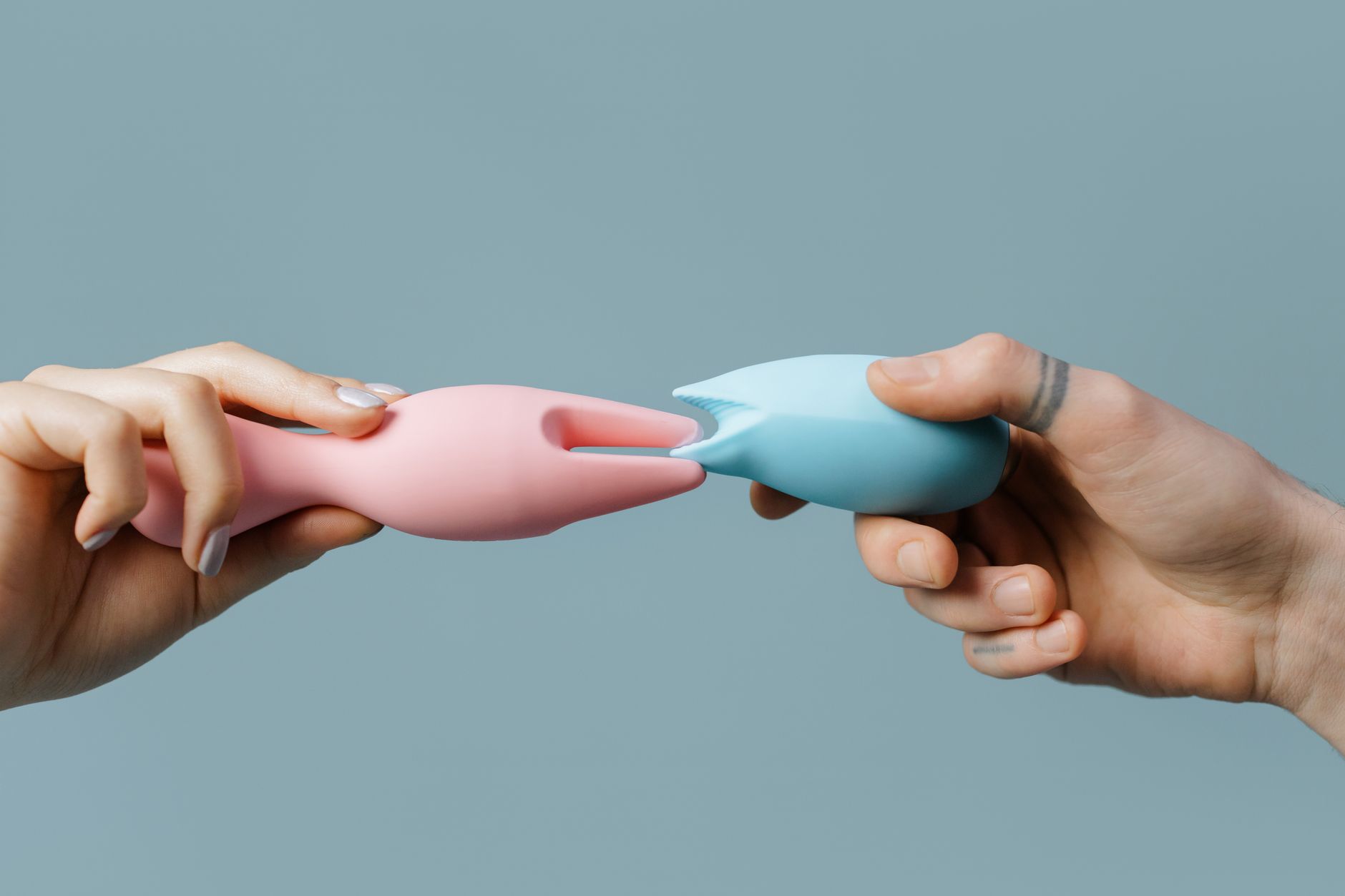
Photo by cottonbro studio on Pexels
Frequently asked questions
How long does it usually take to rebuild pleasure after trauma?
There's no standard timeline. Some people feel shifts in 8-12 weeks. Others take 6 months or longer. It depends on the severity of the trauma, whether you're in therapy, your nervous system's baseline sensitivity, and how much solo work you're doing. The important part isn't speed. It's consistency and self-compassion. If you're forcing it on someone else's timeline, you're replicating the original dynamic.
Is it normal to feel aroused and then scared during recovery?
Completely normal. Your nervous system learned that arousal was dangerous. So when you feel it again, there's often a spike of fear right behind it. This is called trauma activation. It doesn't mean you're broken or that recovery isn't working. It means you're asking your body to rewire something really fundamental. That activation will happen less frequently as you practice.
Can a partner help, or does healing have to be solo?
Healing can involve a partner, but it doesn't have to start there. Solo reconnection actually builds a stronger foundation because it removes the dynamic where you're managing someone else's feelings or pace. Once you've rebuilt some pleasure alone, a patient, attuned partner can be part of the next phase. The key word is "can." Some people find partnered pleasure returns easily. Others find solo pleasure is enough. Both are valid.
What if my partner caused the trauma? Can we rebuild intimacy?
That's a much bigger conversation, and the answer depends on a lot of factors. Whether they've genuinely changed, whether they're in their own therapy, whether you feel safe with them now, whether you actually want to continue the relationship. Rebuilding pleasure is different from rebuilding trust, and trust with someone who's hurt you needs professional support. A trauma-informed couples therapist or a marriage coach can help you figure out if this is actually possible for you.
Should I use a vibrator if I'm in a relationship?
Absolutely. Solo pleasure isn't a threat to partnership. If anything, knowing what your own body enjoys makes partnered sex clearer. You can show them, guide them, ask for what works. That's way healthier than waiting to figure out pleasure together while also managing trauma recovery. The solo work informs the partnered work.
What if I still feel completely numb after weeks of trying?
That's a sign you might need professional support beyond self-help. Dissociation and numbness can be really deep patterns. A sex therapist or somatic experiencing therapist can help your nervous system move through that. You can also check in with your regular therapist about whether this particular approach is right for where you are in recovery. Sometimes the order of healing needs to shift.
What rebuilding actually looks like
It's not dramatic. It's not a moment where suddenly you feel "normal" again. It's small things. Noticing that a soft texture feels good instead of triggering. Touching yourself without dissociating. Having a moment of genuine pleasure, even just for a second. And then, eventually, stretches of time where you're not managing fear and pleasure in the same moment.
Your body remembers what happened. That's not weakness. That's the system working as designed. Rebuilding pleasure isn't about forgetting. It's about slowly proving, through safe sensation, that you're allowed to feel good again. That your body is yours. That pleasure can exist alongside the memory without being defined by it.
If you're just starting this journey and feeling stuck or uncertain about what next steps make sense for your specific situation, reach out. A one-on-one conversation can help you figure out what recovery actually looks like for you.