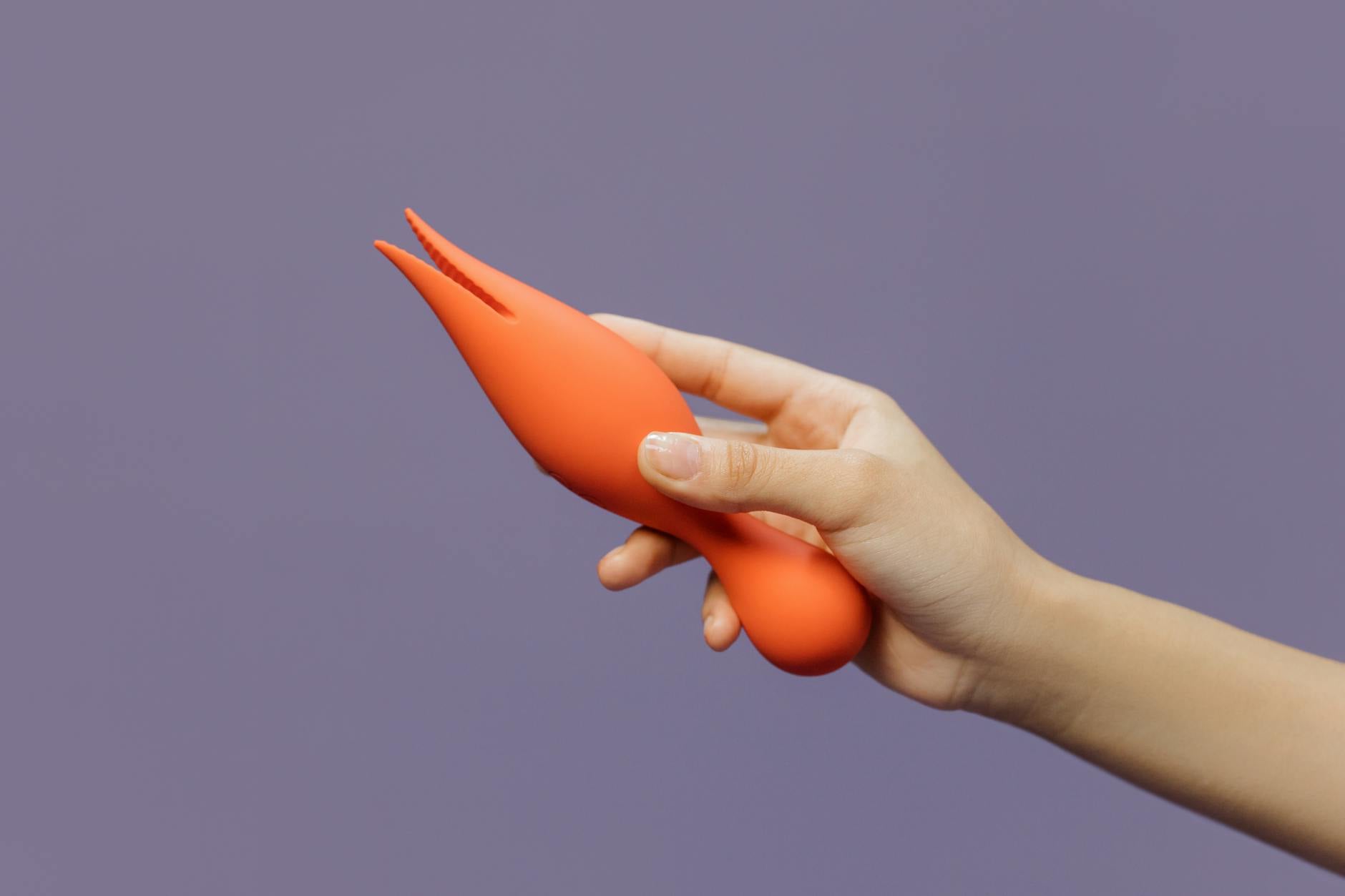
How the relationship stage changes everything
Honestly? The same conversation about toys at month two feels completely different than the same conversation at year ten. Not because the vibrator changed. Because you did.
I've watched couples sabotage their own pleasure by introducing a lem vibrator at the wrong emotional moment, or more often, by waiting so long that introducing anything new feels like admitting the spark needs help. Neither is true. What's actually true is that each relationship stage has its own logic, its own vulnerabilities, and its own perfect window for adding a clitoral vibrator like the Lem into your shared life.
Early dating: the third or fourth month sweet spot
First month? Don't bring a vibrator. You're still figuring out if someone's worth trusting with your body at all, let alone with a device you'll need to explain, clean, and store around them.
Months two and three? Still too soon. You're in the stage where everything feels fragile and you're reading their face for signs they're actually compatible. Adding a tool to that mix muddies the water. You won't know if they're uncomfortable with the vibrator itself or uncomfortable with vulnerability in general.
Month three to five is the real sweet spot. Here's why: you've already had enough sex to know the rhythms you share. You've relaxed enough to talk about actual preferences instead of just performing. The relationship has enough substance that one awkward conversation won't topple it.
The talk itself is simple and goes best when you frame it as a gift to both of you, not a tool you need because something's broken. Something like: "I've been thinking about trying this clitoral vibrator with you. I use it solo and really enjoy it. Would you want to explore that together?" Low stakes. Honest. Assumptive in the best way.
Lemon vibrators work especially well in early dating because the suction sensation is different enough from fingers or a partner's mouth that it feels like mutual discovery rather than a solo habit you're importing into partnered sex. You're learning it together.
The honeymoon phase (months six to eighteen): expansion mode
This is the stage where couples actually get curious. Everything feels possible. Your partner wants to make you feel good, and you want to show them what that looks like.
If you haven't introduced toys yet, this is your easiest window. The relationship has settled enough that you can breathe, but the novelty is still going. Use it.
If you have, this is when you experiment with the settings. Most people use their lemon vibrator on pattern one or two. Try moving through the full range together. Notice where your breath changes. Pay attention to what patterns work best with a partner inside you versus solo stimulation. This data matters for years to come.
One thing I see happen here: couples assume the vibrator should replace something. It doesn't. A lem vibrator alongside a partner's hand or mouth or penetration feels completely different than either alone. The suction creates a unique sensation that layers with other stimulation in ways fingers can't. Name that. Enjoy that. Don't apologize for needing both.
The steady phase (years two to five): the intimacy reset
This is when sex often gets routine, and couples either intentionally keep exploring or they slowly stop trying. The relationship isn't in trouble. It's just that the urgency to impress each other lifts and life gets louder.
Reintroducing a lemon clitoral vibrator here works, but it needs a different framing. This isn't about adding novelty for novelty's sake. It's about remembering that pleasure is a shared priority and a way of saying to your partner: "I still want to feel good with you. I want you to see that."
If there's been a gap (maybe you stopped using toys, got stressed, had kids), easing back in matters. Start solo again for a few weeks. Remember what the Lem feels like. Then introduce it with your partner in a low-pressure context. Maybe during foreplay when neither of you is trying to orgasm yet. Let it be exploratory instead of goal-oriented.
Many couples in this phase also discover that their preferences have shifted. What worked at month six might feel too intense now, or not quite right for your body anymore. Your lemon vibrator is the same, but you're not. That's not a sign something's wrong. It's information.
The long-term phase (five years and beyond): pleasure as intimacy language
Couples who've been together five, ten, twenty years often have the deepest conversations about pleasure I see. The stakes feel lower because you're not trying to figure out if the relationship will work anymore. It either does or it doesn't.
Here, a clitoral vibrator becomes less about novelty and more about communication. Using a lem vibrator with a partner of a decade is a way of saying: "I know you. You know me. I still want this. I still want to feel good." That's a radical statement by year ten.
Mid-life hormonal shifts (perimenopause, andropause) often change what feels good. If lemon vibrators worked for you in your thirties, they might feel different in your forties. Tissues respond differently. Arousal takes longer. Recovery takes longer. A good partner will be curious about that shift instead of threatened by it. A lemon clitoral vibrator becomes a tool for rediscovering each other's bodies as you both change.
I also see couples use toys differently in long-term relationships. Less "let's both come" and more "let me make you feel amazing while I watch." Less performance and more presence. That presence matters more than the specific tool, but having a reliable tool like a Hello Nancy lemon sucker makes that presence easier to sustain.
The conversation template that works across all stages
Regardless of your relationship timeline, the talk goes better when you keep these principles:
Start with yourself, not them. "I've been enjoying exploring my own pleasure with a vibrator" lands better than "I want to introduce a toy into our sex." One is about you taking responsibility for your own pleasure. The other makes it feel like a criticism of what you already share.
Be specific about the tool. Don't say "a vibrator." Say "a clitoral vibrator with suction technology" or "this lemon-shaped vibrator I've been reading about." Specificity signals you've thought about this, not that you grabbed something at random.
Invite curiosity, not obligation. "Would you be interested in exploring this together?" opens a conversation. "You would like this" closes it.
Have an answer ready for the hard question. At some point, someone asks: "Why do you need this if you have me?" The honest answer is: "It feels different. You feel different. I like both." Not instead of. Alongside.
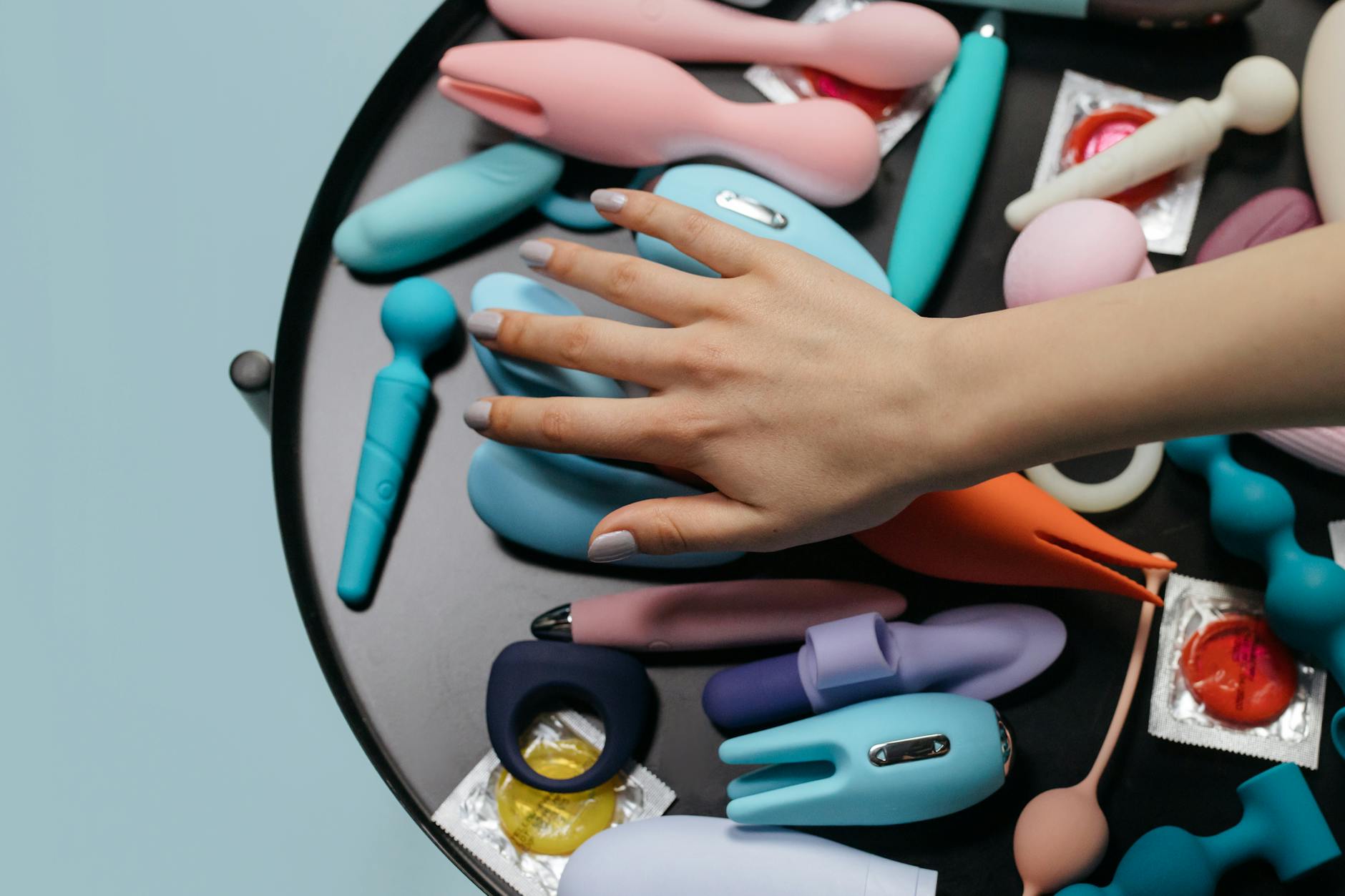
Photo by cottonbro studio on Pexels
When the relationship stage isn't the problem
Sometimes couples avoid introducing toys not because of relationship stage but because of deeper stuff: past sexual trauma, shame inherited from family, religious conditioning, or a partner's insecurity about their own body. Those conversations need to happen first, separately if necessary.
If your partner is anxious about toys, that's worth exploring. Are they worried about being replaced? About their own adequacy? About what it means about their partner's sexuality? A clitoral vibrator like a lem doesn't answer those questions. Talking does. If you're in a pattern where toys feel like a threat, how to use a lemon vibrator with anxiety or sexual trauma offers a more detailed framework.
How lemon vibrators specifically fit relationship timing
I mention lemon vibrators specifically because the suction sensation creates something that feels distinctly different from partnered touch. That difference is actually an advantage when you're introducing toys to a relationship. You're not replacing a hand with a faster hand. You're adding a sensation that neither of you can create alone. That framing helps partners feel less threatened and more curious.
The Lem is also quiet, discreet, and intuitive. There's nothing to explain or apologize for. You turn it on. You feel it. That simplicity matters when the conversation is already a little vulnerable.
If you're reintroducing vibrators after a gap, the suction technology also feels gentler than traditional vibration if your body has become more sensitive. That's useful at any relationship stage, but especially when you're rebuilding trust with pleasure after stress or time away.
The relationship stage you're actually in
Honestly, where you are matters less than whether you're both willing to stay curious about each other's pleasure. I've seen month-two couples have the most honest toy conversations and decade-long couples freeze at the suggestion. The timeline is less important than the willingness.
That said, don't fight the natural rhythms of your relationship. Early stage isn't a bad time to introduce toys. It's just a different time with different vulnerabilities. Same with long-term. You're not starting from scratch. You're building on years of knowing each other. Use that.
If you're unsure whether now is the right time, ask yourself: Could we have this conversation without it becoming about blame or insecurity? If yes, the timing is probably good. If no, there's a deeper conversation that needs to happen first. That's not a reason to avoid toys forever. It's a reason to do the relationship work first, so that when you do introduce a lemon clitoral vibrator, it feels like what it is. An invitation to feel better together.
People also ask
Should I use a lemon vibrator solo before introducing it to a partner?
Yes. Spend a few weeks getting to know how it feels, what settings work for your body, and how long it takes you to orgasm with it. That knowledge makes the introduction easier. You're not discovering the tool at the same time you're being vulnerable with your partner about wanting it. You already know it. You're just inviting them to join in.
What if my partner says no to using lemon vibrators together?
That's information, not a dead end. Ask why. Is it physical discomfort? Shame? Insecurity? Fear it will change things? The reason matters because it determines what the actual conversation is. If it's shame, that's a different talk than if it's "I like what we're doing and I don't need to add tools." Both are valid. Both might shift over time.
Can we use a lemon vibrator if we've never used toys before in our relationship?
Completely. You're not supposed to graduate through toys in a particular order. Some couples jump straight to clitoral vibrators and never use anything else. That's fine. Start with one you understand, introduce it at a stage where you both feel safe, and go from there.
How often should we use lemon vibrators if we're in different relationship stages?
That varies wildly. Early dating couples might use them occasionally during sex. Long-term couples might use them weekly or daily. What matters is that you're both enthusiastic. If you're using the tool to pressure your partner into wanting sex, that's a relationship problem wearing a toy costume. That needs different help.
Does introducing a lemon vibrator mean our relationship is in trouble?
Not at all. Couples introduce toys for lots of reasons: curiosity, pleasure, changing bodies, long-term connection, shifting desires. The couples in the most trouble are usually the ones who can't talk about pleasure at all. If you can have this conversation, your relationship probably has real health.
What if we want to use lemon vibrators but we're long-distance or early in dating?
You can absolutely explore pleasure separately and talk about it. Some couples actually find that describing their experience with a vibrator over text or video creates real intimacy. Others want to wait until they're in the same place. Both approaches work. The key is honesty about what you both need.
Your relationship stage is real information. Early dating has different vulnerabilities than year ten. But the desire to feel good together? That crosses all stages. A lemon clitoral vibrator is just a tool for exploring that desire with a little more skill and a lot more ease. The relationship work is the same at every stage: stay curious, keep talking, and remember that pleasure matters as much as everything else you're building together.