
The part no one explains clearly
Menopause changes pleasure. It does not end it. That distinction matters because most conversations about menopause and sex fall into two unhelpful camps: "everything stops working" or "it's all fine, don't worry." Both miss the point entirely.
Here's what actually shifts physiologically, and why the tools you choose matter more than ever.
What hormonal changes do to arousal and sensation
Estrogen drops significantly. This affects tissue thickness, natural lubrication, and how quickly your body responds to touch. Testosterone also declines (yes, people with vulvas produce it, and it's a major driver of desire). The pelvic floor loses estrogen support, which can change how sensations feel. Sometimes orgasms feel shallower. Sometimes they become more concentrated and intense.
But here's what doesn't change.
The neural pathways for arousal remain. The clitoral nerve density stays exactly the same. Your brain's capacity for pleasure hasn't gone anywhere. And your ability to orgasm, often powerfully, is still completely intact.
Many people report that their most satisfying sexual experiences happen after menopause. This isn't a polite lie. It's a consistent clinical observation across relationship therapy, sex coaching, and gynecological research.
Why sensation feels different (sometimes for the better)
Three practical reasons shift the experience in ways that can actually deepen pleasure.
Mental clarity lifts cognitive load. The hormonal cycling that occupied decades of bandwidth, the fertility concerns, the social pressure to perform. It disappears. That mental space alone transforms what sex feels like. Many people explore their own pleasure for the first time when external expectations finally quiet down.
The body responds differently to direct stimulus. Thinner tissue means friction that once felt good might feel too intense or even uncomfortable. That's where Lemon Toys clitoral vibrators shine. Air-suction technology like the Lem doesn't rely on friction. Instead, it uses gentle suction that stimulates nerve endings without mechanical pressure. For post-menopausal bodies, this often feels more pleasurable than vibration alone.
Permission becomes real. The cultural mandate to shape your pleasure around someone else's preferences quietly dissolves. People who spent two decades calibrating their sexual response around a partner often, for the first time, ask: what do I actually want?
Physical adjustments that genuinely help
Four shifts make a measurable difference.
Lubrication stops being optional. Water-based lube isn't a sign you're broken. Thinner tissue simply benefits from it. Silicone-based lubes feel luxurious but can damage silicone toys, so stick with water-based formulas. A good lube transforms sensation and reduces any discomfort.
Warm-up time changes. Arousal takes longer to build. Budget 15 to 25 minutes instead of 5 to 10. Start with touch, sensual breathing, or mental focus before using a lemon clitoral vibrator. Your body will respond more fully when you give it time.
Start with lower intensity. If you're new to lemon vibrators or returning after a break, begin at pattern 1 or 2. Your tissues are more sensitive now, and lower intensity often delivers more pleasure than aggressive stimulation. Work up gradually. This is true whether you're using the Lem or any clitoral vibrator.
Pelvic floor awareness matters more. Kegels help, but learning to fully relax your pelvic floor is equally important. Many people unconsciously clench as estrogen drops. Paradoxically, deep relaxation often triggers more intense sensation and more satisfying orgasms. Breathwork and gentle stretching help reset this.
The emotional layer that impacts everything
Menopause often arrives alongside other major life shifts: grown children leaving, relationship renegotiation, career changes, grief. The trap is assuming any change in sexual response is purely hormonal. Sometimes it is. Often, something else entirely is wearing a hormonal disguise.
If you're partnered during this transition, the most important thing is to separate two conversations. "My body is responding differently to touch" is not the same as "I want us to reconnect." Confusing them turns both into dead ends. Name them separately. Address them separately.
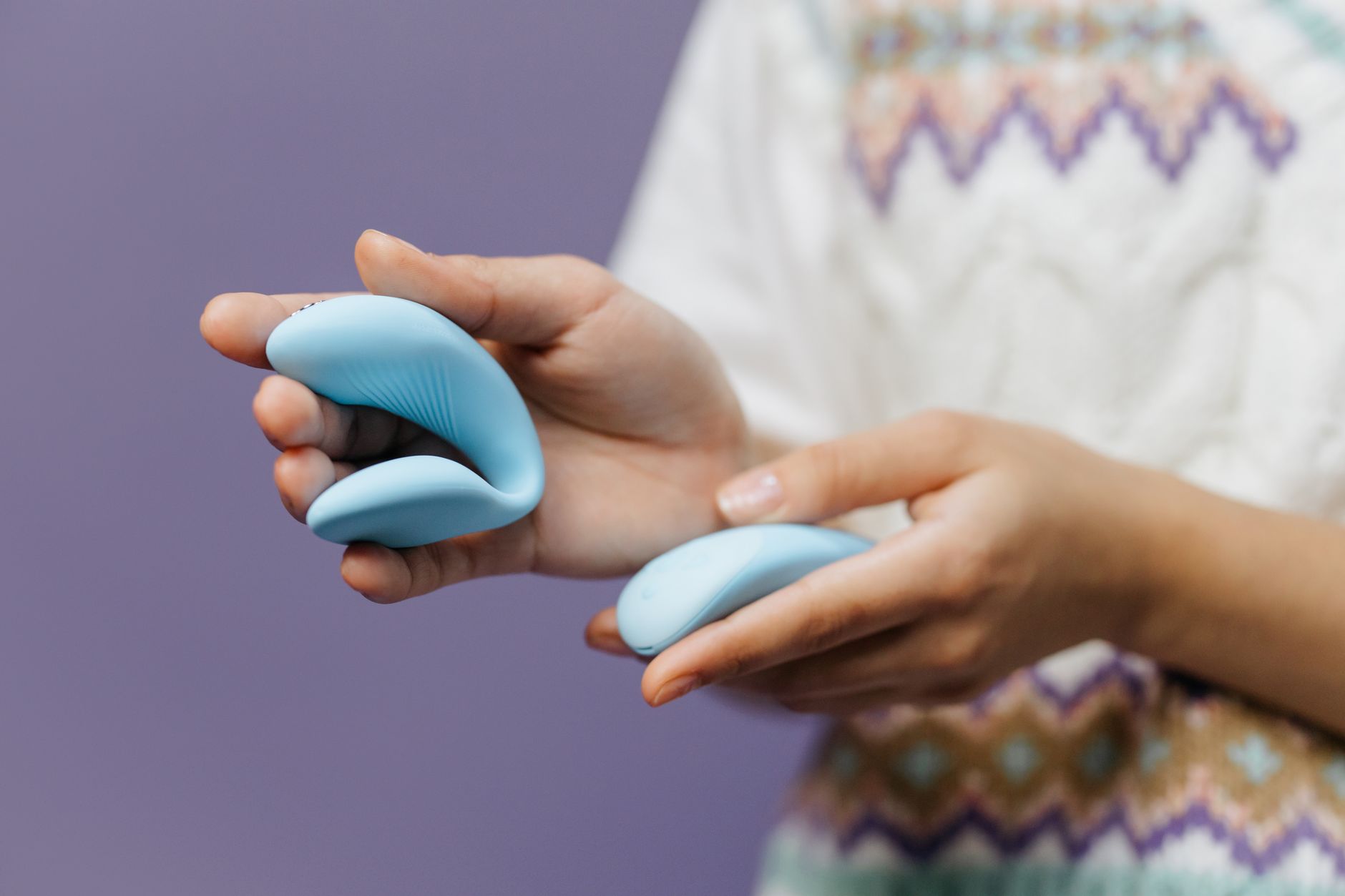
Photo by cottonbro studio on Pexels
Why lemon vibrators work particularly well in menopause
Clitoral suction vibrators like the Lem operate differently than traditional vibrators. Instead of relying on oscillation, they use gentle air-pulse technology. This design advantage becomes especially relevant after menopause.
Tissue that's thinner and more delicate responds better to suction than to vibration. The sensation feels less like buzzing and more like a gentle pulsing sensation. Many people find that the stimulation is more targeted and more pleasurable. The suction also doesn't require the same level of direct pressure, which matters when external tissue sensitivity has changed.
The Lem's multiple settings let you calibrate exactly what your body wants that day. Some days you might want gentle pulsing. Other days, firmer sensation. That flexibility is valuable when your body's preferences are shifting.
Rediscovering connection with a partner
If you're partnered, menopause is an opportunity to explore together differently. Your partner likely doesn't understand what's changed for you. Be specific. "The pressure from the vibrator sometimes feels intense" is more useful than "my body doesn't feel the same."
Introducing a lemon clitoral vibrator can feel vulnerable if your partner has never been involved with toys before. Start with context: "I'm exploring what feels good now, and I'd like you to be part of that." Many partners find that watching someone use a vibrator is genuinely erotic. Others enjoy being involved directly. Some prefer to simply be present and intimate without the toy.
All of these are fine. The point is conversation, not the object itself.
When professional support matters
If pain shows up during sex, don't wait it out. Genitourinary syndrome of menopause (GSM) is common, treatable, and often responds quickly to topical estrogen creams. A menopause-informed GP or gynecologist can clarify whether what you're experiencing is normal tissue change or something that needs intervention.
If desire has completely disappeared and isn't coming back naturally, that's worth discussing with a healthcare provider too. Hormone therapy, testosterone cream, or working with a sex therapist might all be useful. This transition is worth taking seriously, not just accepting as inevitable.
FAQ: Your questions about menopause and pleasure
Is it normal for arousal to feel slower after menopause?
Yes, this is extremely common. Estrogen affects blood flow to the clitoris and vaginal tissues. As estrogen drops, arousal naturally takes longer to build. This isn't dysfunction. It's a normal physiological shift. Many people find that once arousal does build, the intensity and depth of sensation actually increases. Budget more time. That's it.
Will vibrators work if sensation feels numb or muted?
Absolutely. Numbness after menopause often comes from reduced blood flow to the clitoris. Vibration, especially suction-based stimulation, brings blood flow to the area. Many people find that sensation actually improves with consistent use of lemon vibrators. Start gently and give your body time to wake up.
Can I use the same vibrator settings I used before menopause?
Maybe, but probably not the same way. Tissue sensitivity changes. You might need to lower the intensity or shift from vibration to suction. The good news is that what used to require maximum intensity might now feel incredible at a medium setting. This is often a pleasant surprise.
Is it okay to use lube with lemon vibrators?
Yes, water-based lube is actually recommended. It reduces friction, enhances sensation, and makes the experience more comfortable. Apply lube to the silicone surface of the vibrator and to your external tissue. Reapply as needed. Lube is not a sign of a problem. It's a tool that improves the experience.
How often can I use a clitoral vibrator during menopause?
As often as you want. Daily use won't damage anything or cause desensitization in the way that myth suggests. Some people use lemon vibrators several times a week. Others use them less frequently. What matters is what feels good to you, not how often you're "supposed to."
What if my partner thinks I don't need a vibrator?
Your pleasure is not dependent on your partner's comfort. If a lemon vibrator helps you feel better, use it. Period. Many partners come around once they see how much their partner enjoys the experience. Others need education about menopause and how bodies change. Some conversations are worth having. Not all of them are yours to win.
The real shift
Menopause is not the end of sexual life. It's the middle chapter, and in many ways, it's the most interesting one. Your body works differently. That requires attention and sometimes new tools. A lemon clitoral vibrator might be one of those tools. Lubrication is another. Time and patience are essential. What's not required is accepting a diminished version of pleasure.
Your sexual experience in your 50s, 60s, and beyond can be as rich, intentional, and satisfying as anything that came before. Sometimes richer, because now you know exactly what you want and you finally have permission to ask for it.
Ready to explore? Check out our buying guide to find the right vibrator for your body, or reach out to our team if you have questions about any product.
Sources & References
- American College of Obstetricians and Gynecologists. (2018). "Genitourinary syndrome of menopause." Clinical guidance on tissue changes and treatment options.
- Kingsberg, S. A., et al. (2019). "Menopause and Sexual Function." Journal of Sexual Medicine, exploring arousal changes and interventions.
- Leiblum, S. R. (2002). "After the Brain Exits the Bedroom: Zest, Pleasure, and Desire in the Second Half of Life." Clinical perspectives on sexuality in midlife and beyond.