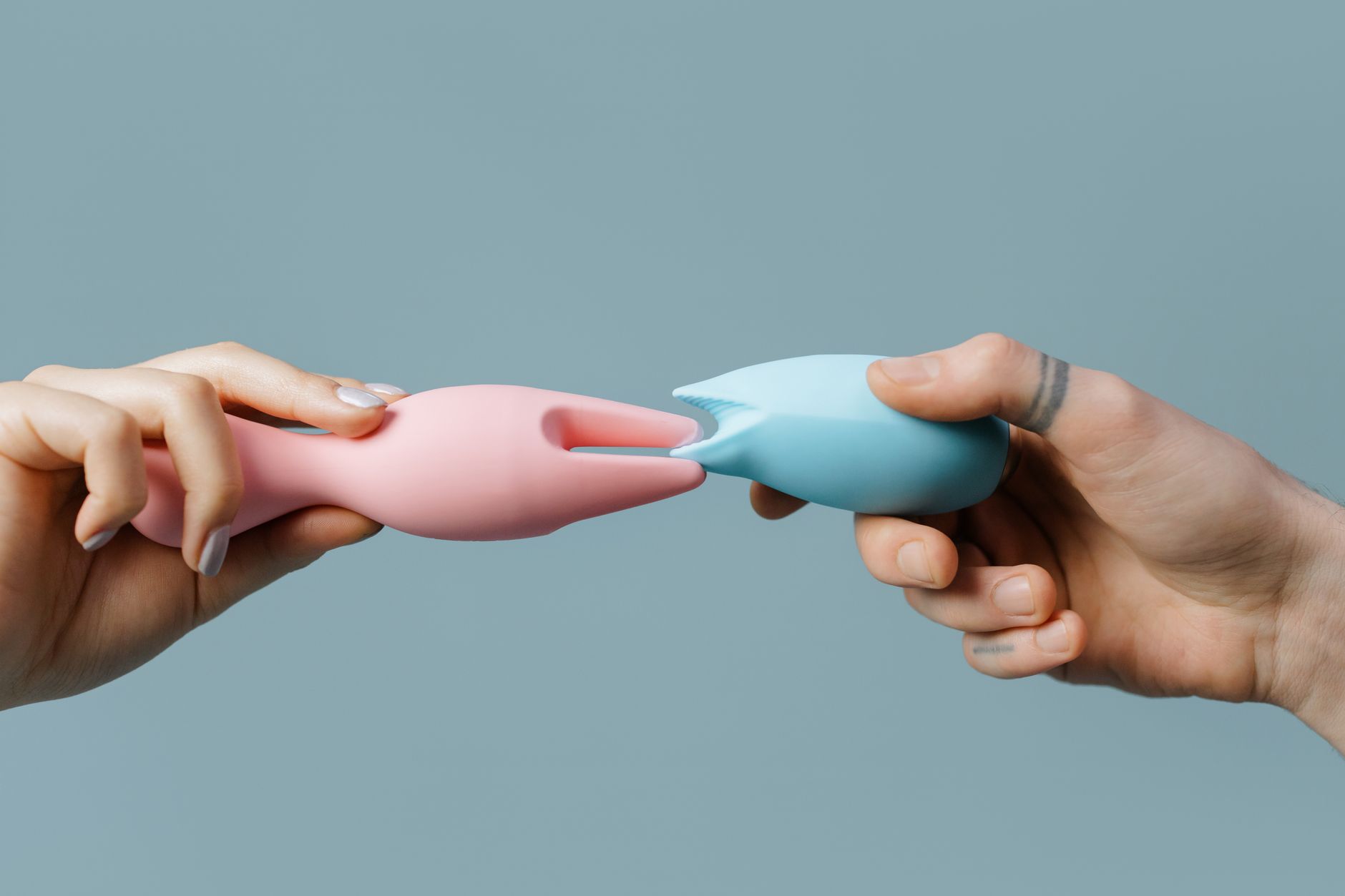
The hesitation is real, and it's not about the toy
Let's be real. Your partner didn't say no to a vibrator because they think you don't need stimulation. They said no because somewhere in their story, toys became tangled up with threat, insufficiency, or shame. Maybe they think introducing a toy means you're not attracted to them. Maybe they learned that pleasure belongs only in certain contexts. Maybe they're just unfamiliar and uncomfortable with the unfamiliar.
None of that is about the toy. It's about what the toy means to them.
This is the difference between a conversation that fails and a conversation that opens something up. One treats the hesitation as the problem. The other treats the hesitation as information.
What hesitation actually reveals
When someone says "I don't think we need that," they're usually saying one of four things:
1. I'm worried this means something is wrong with me. Translation: I'm concerned I'm not enough. This is ego, but it's also vulnerability. Don't skip over it.
2. I'm uncomfortable with the unfamiliar. Translation: Toys feel clinical or performative to me, and I don't know how to relate to them. This is the easiest hesitation to move through because it's just information gap.
3. I have shame or judgment about pleasure tools. Translation: I was raised to believe desire is something you manage quietly, not something you actively build together. This takes longer but it's workable.
4. I'm afraid of losing control or being replaced. Translation: Sex with a partner feels like a dance where I'm leading, and a toy destabilizes that. This one needs the most patience and reassurance.
Figure out which one it is before you say another word.
How to start the conversation without triggering defensiveness
Here's what doesn't work: "I want to try toys in bed." That's a proposal, and proposals invite debate.
What works better is framing it as something you're curious about experiencing together, not something you need from them.
"I've been thinking about ways we could both feel more pleasure, and I read about this clitoral vibrator called Lemon Toys make. I'm curious what you think. Not like, right now, but just... what comes up for you when I say that?"
That last question is crucial. You're inviting them to tell you what's real for them, not defending your idea. Then you listen. You don't counter. You ask follow-up questions.
"When you think about using a vibrator together, what worries you most?"
Listen to the answer. Don't problem-solve it yet. Just acknowledge it.
"That makes sense. A lot of people feel that way at first."
Then you can address the specific concern. If it's "I'll feel like I'm not enough," you say: "That's actually the opposite of what I'm thinking. I want this because I want to explore what feels good for you and me, together. Not because you're missing something."
If it's "I don't know how to use a toy," you say: "Me either, honestly. We'd figure it out. And honestly, figuring it out together sounds kind of fun."
The reframe that actually shifts things
Most people think of toys as a solo thing. A vibrator is something you do alone. This makes partners nervous. It looks like replacement.
Instead, frame lemon vibrators and other clitoral vibrators as enhancement, not replacement. The toy doesn't replace their touch. It enhances it.
Imagine your partner's hand on your skin. Now add the sensation of a lemon vibrator working alongside them. Neither sensation is complete alone. Together, they create something neither could alone.
Say this out loud: "I want us both to feel more. Not better, just more. And I want your hands on me while we explore that."
That changes the entire frame. You're not asking them to step aside. You're asking them to step closer.
Building trust through smallness
If they're hesitant, don't lead with the most powerful toy or the most intense setting. Lead with the smallest, gentlest introduction possible.
Maybe the conversation happens first, then a week passes with nothing. That's fine. Let them sit with it.
Then maybe you say, "I'm going to try something. You can watch, or you can leave, or whatever feels right. No pressure." Use it alone, openly, while they're in the room. Not as performance, but as matter-of-fact exploration.
A lot of partners get curious when they see pleasure happening without shame or performance. The defensiveness softens. Curiosity shows up instead.
Then maybe next time: "Would you want to hold it while I use it?" A lem vibrator or other clitoral vibrator in their hand changes the dynamic. They're controlling the sensation. They're involved. The threat disappears.
Then maybe: "What if you held it while I touch you?" Now they're directing the pleasure. They're in control and close and present.
Take weeks if you need to. Trust is built in stages.
What to do if they still say no
Sometimes hesitation hardens into "no." That's different information.
If they're saying no because of shame or judgment, you might ask: "What would it take for you to feel comfortable? Not today. Just... what would help?" Maybe they want to research together. Maybe they want to talk to a therapist. Maybe they want to try talking about pleasure in general first, without toys in the room.
If they're saying no because they feel threatened, the conversation is actually not about toys at all. It's about whether they feel secure in the relationship and in your desire for them. That's bigger. You might need to work with a couples counselor to address the underlying insecurity.
If they're saying no because they're genuinely not interested and that's a solid boundary, respect it. You can still explore pleasure on your own. But if the hesitation feels like avoidance or shame, that's worth exploring together.
The practical setup once they're on board
If your partner comes around, don't start with elaborate choreography. Start with basics.
Both of you showered and relaxed. No performance pressure. Maybe you're already touching, already warm. Then you introduce the toy.
"I want to show you how this feels on me. Don't worry about doing anything special." Use it on yourself while they watch and touch you. Let them feel the vibration against your skin while they're kissing you or holding you.
Then hand them the toy. "Try it. See what you like."
The first time is exploration, not the goal. There's no finish line. You're gathering information about how this feels and what rhythm works together.
Most partners who were hesitant become curious, then invested. They like being able to give you pleasure differently. They like watching you respond. They like having a new tool in their hands.
That doesn't mean every toy or every exploration works. But it means the door is open.
When shame runs deep
Sometimes hesitation comes from old messages about bodies and desire. "Good girls don't want toys." "Real men don't need help." "Wanting pleasure is selfish." These are deep grooves.
You can't logic someone out of shame. But you can practice a different way together. Every time you use a lemon clitoral vibrator or other toys without apology, you're modeling that pleasure is normal and worth exploring. Every time you describe what feels good without embarrassment, you're giving them permission to do the same.
Over time, the shame often softens.
FAQ: Navigating the hesitant-partner conversation
What if my partner thinks toys mean I'm not attracted to them?
This is ego talking, which is actually fear. Address the fear, not the ego. "I want you more, not less. I want us both to feel more together. That's not rejection. That's invitation." Then follow through. Use the toy while they're involved. Show them it deepens the experience, not replaces it.
How do I bring it up without making them feel attacked?
Don't lead with the toy. Lead with curiosity about pleasure. "I want us both to feel more." Then introduce the toy as a tool for that shared goal, not as criticism of what you're already doing.
What if they say it feels too clinical or medical?
That's about the framing. A lemon vibrator isn't a medical device. It's a pleasure tool. Show them how it feels. Let them experience the sensation before the concept. The body often comes around before the mind does.
Can I use toys alone if my partner won't use them with me?
Yes. Your pleasure is yours. But if your partner won't even let you explore alone, that's a different conversation. That's about control, and control issues need to be addressed separately from the toy.
How long should I wait for them to come around?
Depends on what you're hearing. If it's genuine discomfort with the unfamiliar, weeks or months is reasonable. If it's deep shame, you might need longer or professional support. If it's control or judgment that won't budge, you're looking at a deeper relationship question.
What if we try it together and it doesn't work?
Not every approach works for every person. You might try different pleasure settings or a different toy, or you might come back to it later. The goal isn't forcing it to work. It's exploring together without shame.
Is it normal for partners to be hesitant about toys?
Completely normal. Toys exist outside the relationship narrative most people grew up with. Hesitation doesn't mean there's something wrong with the relationship. It usually just means there's some unpacking to do around pleasure, desire, and what it means to ask for more.
Introducing lemon sexual toys or any clitoral vibrator to a hesitant partner isn't about convincing them. It's about inviting them into a conversation about mutual pleasure, and doing it with enough patience and reassurance that they can actually hear the invitation instead of feeling threatened by it. That takes time. But trust almost always makes space for curiosity.