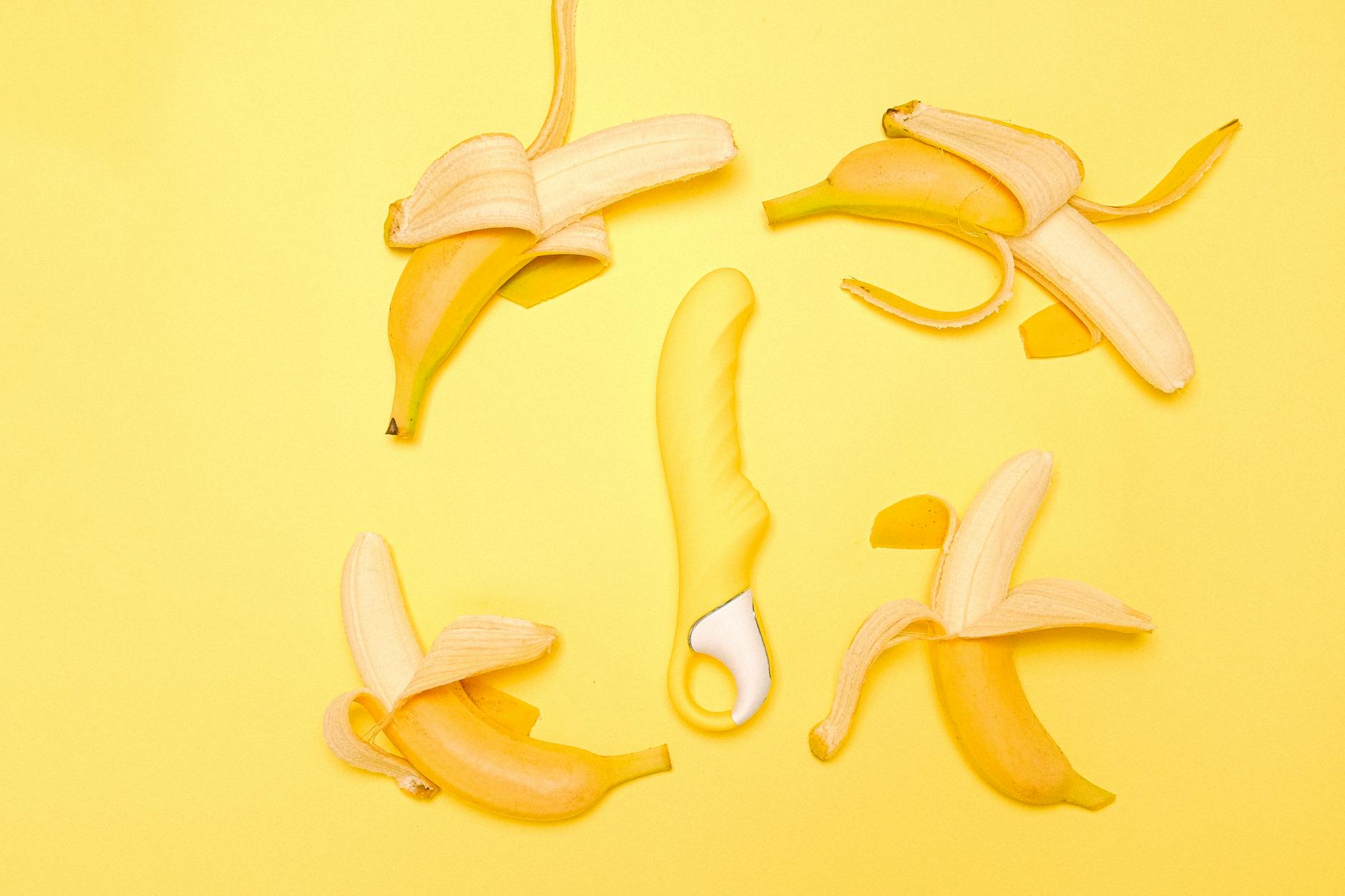
How to Use Lemon Vibrators for Pleasure After Hormonal Changes: Estrogen and Sensation
Let's be real. When estrogen drops, your clitoris doesn't lose its nerve endings. It loses protection. That distinction matters because most people assume the change means the end. It doesn't. It means recalibration.
Hormonal shifts change tissue thickness, blood flow, and how quickly stimulation travels through the clitoral nerve network. A lemon vibrator that worked perfectly at one point in your cycle (or life) might feel too intense, too shallow, or just off in ways you can't quite name. This isn't failure. It's information. And once you understand what's actually happening, you can adjust.
What estrogen actually does to clitoral sensation
Estrogen isn't just about lubrication. It thickens the skin around your clitoris, increases blood vessel density in the tissue, and regulates how the clitoral nerve fibers fire. When estrogen drops, the tissue becomes thinner. The network of tiny blood vessels that gorge with blood during arousal has less infrastructure to work with. The nerve endings are still there. The response is just quieter.
This is why many people report that stimulation feels more diffuse than it did before. The same intensity spreads across a larger area instead of concentrating in one sharp point. Some find this disappointing. Many find it opens up new kinds of pleasure they didn't know were possible.
Your clitoris has about 8,000 nerve endings. Estrogen changes the cushioning around them, not the count. This is important to remember every single time you worry you've broken something. You haven't.
How this changes the way you use a lemon vibrator
Three practical shifts happen:
Pattern intensity lands differently. If you've been using pattern 5 on a lemon vibrator for years, that pattern might now feel harsh. Not because the vibrator broke. Because the tissue beneath it changed. Start two levels lower than you used to and work up from there. Most people find they eventually settle at a similar number, but the pathway feels different.
Warm-up time extends. Arousal takes longer to build when estrogen is lower. Budget an extra 10 to 15 minutes at the beginning. This isn't frustration. It's foreplay. Use this time to explore other parts of your body first. Let blood flow redistribute before you bring the lemon vibrator in.
Positioning and angle matter more. When tissue is thinner, direct friction can feel too sharp. Experimenting with angle and pressure becomes crucial. Try angling your lemon clitoral vibrator slightly off-center, or use it through a thin layer of fabric. This diffuses intensity without losing sensation.
The practical reset for your lemon vibrator routine
If you've noticed a shift and aren't sure how to respond, here's the exact sequence I recommend:
Start at pattern 1 or 2. Not as punishment. As a genuine baseline reset. Spend 5 to 10 minutes at each level before moving up. Notice what each feels like. This isn't about reaching orgasm quickly. It's about mapping your new sensitivity landscape.
Add lubrication. Water-based lube isn't just for dryness. It creates a buffer between the vibrator and thinned tissue. This lets you feel intensity without pain. Apply it generously and reapply as needed.
Build in 20-minute sessions minimum. Arousal builds slower, and cutting yourself short trains your body to stay tense. Longer sessions let the nervous system relax into the sensation instead of bracing against it.
Experiment with indirect stimulation first. Use your lemon vibrator on the outer labia, the mons pubis, or through underwear before going directly to the clitoral glans. This warms tissue and increases blood flow without the abruptness of jumping straight to full-intensity direct contact.
When to use different patterns after hormonal shifts
Here's where most people get stuck. They assume they need fewer patterns now. Actually, you might need more variety because each pattern will land differently on shifted tissue.
Pattern 1 (steady, low vibration) works well for warm-up. It builds sensation gradually without overwhelming the nerve network.
Patterns 2-3 (soft pulses) often become the new sweet spot for many people. They feel less relentless than steady vibration on thinned tissue.
Patterns 4-5 (faster or more complex pulsing) can still work, but the payoff is different. You might use them differently than before. Some people find they work better applied indirectly, or use them for the final push toward orgasm rather than the whole session.
Rhythmic patterns (building and releasing intensity) sometimes become more pleasurable after hormonal shifts. The pacing gives your tissue time to recover between pulses. It feels less like assault, more like conversation.
Try each pattern at least three times before deciding it doesn't work anymore. Pleasure is a habit. Your body needs time to learn new sensations.
The emotional reset that matters as much as the physical one
Hormonal shifts often arrive with a story attached. The story is usually some version of "my body is failing me." That story will sabotage any technique adjustment you make because pleasure requires presence, and shame requires dissociation.
Here's what I know after working with hundreds of people navigating this: the shift in sensation is real and measurable. The story that it's a loss is optional. Many of my clients report that their most intense orgasms came after they stopped fighting the shift and started working with it. The person who figures out how to use a lemon vibrator after this change often has better access to pleasure than they did before. Not because the vibrator improved. Because they stopped expecting their body to behave the way it used to and started listening to what it actually needs.
Take two weeks with your new baseline before you decide anything has been lost. Pleasure needs that adjustment window. Your brain needs it too.
When sensitivity shifts mean something else
If you're experiencing sharp pain, burning, or extreme sensitivity that doesn't ease with pattern changes and lubrication, that's a separate conversation. Genitourinary syndrome of menopause is real and treatable. A gynecologist trained in menopause care can run simple tests and often resolve it in weeks with topical hormone cream or other targeted treatments.
If you notice numbness that feels different from before (not just less intense, but actually numb), or if you can't orgasm at all despite your lemon vibrator working fine elsewhere, that might point to hormonal shifts that benefit from professional input. Again, this isn't failure. It's diagnostic information.
Most people simply need the adjustment period and the permission to rebuild their pleasure with new parameters. A few people benefit from additional support. Both are normal.
Using your lemon vibrator during other hormonal phases
If you still menstruate, your sensitivity shifts throughout your cycle even if your baseline estrogen has changed. Right before your period, when progesterone is high and estrogen is dipping, you might feel like you need higher intensity. A few days after your period starts, as both hormones reset, sensation might normalize.
If you're not menstruating anymore, the hormonal baseline holds more steady. This can actually be freeing. You stop chasing a moving target. Your body responds the way it responds now, consistently. You build technique around that consistency.
Keep a brief note if you want. Three words: pattern used, feeling, whether it worked. After a month, patterns emerge. You'll see exactly what your body needs right now, which is different from what it needed then.
FAQ: Hormonal Changes and Lemon Vibrator Use
Why does my lemon vibrator feel different when my hormone levels drop?
Estrogen thickens the tissue around your clitoris and increases blood vessel density. When estrogen drops, that tissue thins, and the neural response changes. Your vibrator is the same. Your anatomy responded differently. The sensation spreads out instead of concentrating, which is why the experience feels unfamiliar even though the equipment hasn't changed.
Can I still orgasm with a lemon vibrator after hormonal changes?
Yes. Your clitoral nerve endings don't disappear. Your capacity for orgasm remains intact. What changes is the pathway. You might need longer warm-up, different patterns, or adjusted positioning. Many people find their most satisfying orgasms come after they've adjusted to their body's new baseline rather than fighting against it.
Should I use a different vibrator pattern after my estrogen drops?
Not necessarily. The same patterns still exist. They land differently on changed tissue. Many people shift down one or two pattern levels and find that becomes their new baseline. Others use the same patterns but apply them differently (indirectly, or with longer build-up time). Experiment for at least two weeks before deciding a pattern doesn't work anymore. Your body needs adjustment time.
Does lubrication actually help after hormonal shifts make tissue thinner?
Completely. Water-based lube creates a buffer between the vibrator and thinned tissue. This lets you access intensity without pain. It also signals to your nervous system that this is safe sensation, which helps you stay present instead of bracing. Use more than you think you need, and reapply as needed. It's not a workaround. It's part of your technique now.
How long does it take to adjust to using a lemon vibrator after hormonal changes?
Most people settle into a new rhythm within two to four weeks of consistent practice with adjusted technique. Your body needs that time to learn new sensations and for your brain to stop comparing the experience to how it felt before. Longer sessions, lower starting intensities, and extra warm-up time all support this adjustment. If sensitivity shifts persist beyond a month, that's worth checking in with a menopause-trained gynecologist.
Is it normal if orgasms feel different after hormonal shifts?
Completely normal. Orgasms after hormonal changes often feel more diffuse, sometimes less intense, but many people find them longer and more satisfying overall. The clitoral tissue responds differently, which changes the sensation. The capacity is still there. The experience is just different. Give yourself permission to explore what "different" means for your body without assuming it's worse.
Your body hasn't stopped responding. Estrogen drops, tissue thins, the neural pathway quiets. And then, if you're willing to adjust your technique, you often find that pleasure deepens rather than disappears. This is where many people, after weeks of thinking something was broken, discover something new. A lemon vibrator that felt essential at 28 might feel too much at 48. But at 48, you also have time, confidence, and the sense to listen to what your body actually needs instead of what you think it should need. That's not a loss. That's an upgrade.
If you're navigating hormonal shifts and want support thinking through your pleasure practice, we're here. Get in touch with questions. You deserve pleasure that matches your body now, not the one you're remembering.