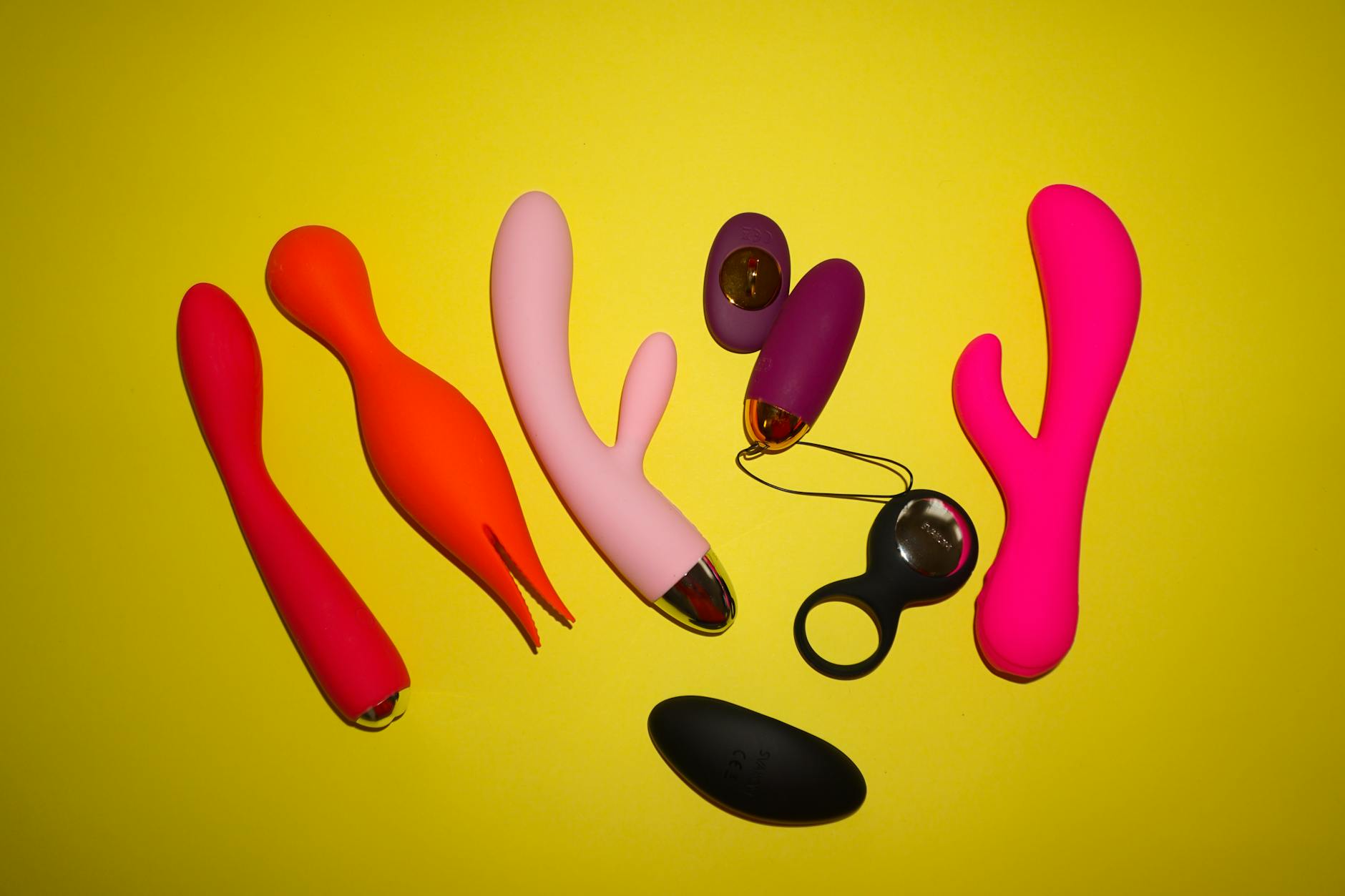
How to Use Lemon Vibrators When Clitoral Numbness Builds Up During Longer Sessions
Here's the thing about numbness
It's not that you're broken. It's not that the toy isn't working anymore. What's happening is your nervous system is doing exactly what it's designed to do. When your clitoris receives continuous stimulation at the same intensity, the nerve endings adapt and stop firing signals. It's called sensory adaptation, and it kicks in after about 15 to 25 minutes of steady, unchanging vibration.
The irony? The exact moment when you might be getting close is often when numbness creeps in most aggressively. Your body needs that stimulation to keep climbing, but the sensation is fading. So you either press harder (which makes it worse), switch speeds frantically (which resets your arousal), or give up entirely. None of those feel great.
Luckily, this is completely manageable once you understand what's happening and how to interrupt the pattern.
Why continuous vibration causes adaptation
Your nervous system has a brilliant but inconvenient feature. When a stimulus stays exactly the same for too long, your nerves stop registering it as information worth reporting to your brain. This is why you stop noticing the weight of your clothes after five minutes, or the hum of the refrigerator.
Clitoral nerve endings are especially sensitive to this. The clitoris has a high concentration of nerve endings packed into a tiny area, which is why it's so responsive to start. But that same density makes it vulnerable to adaptation when the signal never changes.
Two things make this worse. First, lemon clitoral vibrators (especially highly effective ones like the suction-based designs) deliver consistent vibration. That consistency is what makes them so good at building sensation in the first place. But it's also what triggers numbness if you don't vary the input.
Second, many people keep the same pattern going because they assume they just need to "push through" the feeling. In reality, pushing through usually makes the numbness worse, not better.
The difference between numbness and overstimulation
Here's an important distinction because these feel different and need different solutions.
Numbness is when sensation fades but doesn't hurt. The clitoris still feels the vibration on a mechanical level, but the nerve signal isn't reaching your brain as clearly. You can keep going, but it requires more intensity or a change of pattern to feel anything.
Overstimulation is when direct contact starts to feel raw, tender, or uncomfortable. The skin gets irritated, not the nerve adaptation. This usually shows up as a slight soreness that lasts afterward, or a sharp feeling during play that says "stop."
Clitoral numbness happens during the session. Overstimulation lingers after. That's your compass. If sensation fades but nothing hurts, you're dealing with adaptation. If something hurts, you've crossed into overstimulation and need to back off the intensity or take a break.
Stop and switch: the easiest fix
The fastest way to reset numbness is to stop the exact stimulation that triggered it.
Say you've been using the same pattern on your Lemon Clitoral Vibrator for 20 minutes and sensation is fading. Don't keep going. Instead, step back. Pause for 30 to 60 seconds. Your nerve endings need a reset signal. That break is active recovery, not failure.
When you resume, switch something. Not everything. Just one variable.
Switch the pattern. Most lemon vibrators have multiple modes. If you were on a steady pulse, flip to a wave pattern or a staccato burst. The change in rhythm reawakens the nerve signal immediately. You'll feel the return of sensation almost as soon as the new pattern starts.
Switch the position. Move the toy up slightly, angle it differently, or shift your angle. Even a quarter-inch change in where the vibration contacts your body can reset the adaptation.
Switch the intensity. Lower it first. This sounds counterintuitive when you're chasing sensation, but many people find that dropping from pattern 5 back to pattern 3, then building back up slowly, actually restores clarity faster than pushing harder.
Switch the rhythm. Manually vary it. Don't just hold the vibrator steady. Rock it, pulse it with your hand, or create a slight in-and-out motion. The combination of toy vibration plus your hand movement introduces micro-variations that keep your nervous system engaged.
Build in deliberate pauses before numbness hits
The other strategy is prevention. Don't wait until numbness creeps in. Build pauses into your routine proactively.
Every 12 to 15 minutes of continuous vibration, pause for 20 to 30 seconds. This trains your nerves to stay responsive before they slip into adaptation. You're interrupting the pattern before the problem starts.
Use these pauses intentionally. Don't just stop and space out. During the pause, switch positions or change your breathing. Some people find that shifting from rapid breathing into deeper, slower breaths actually heightens sensation when they resume.
If you're playing with a partner, this is also a natural moment for them to touch you in a different way. A partner's hand, mouth, or skin-to-skin contact is a completely different input than a vibrator. Alternating between toy and partner touch resets your nervous system dramatically.
Pattern stacking keeps sensation alive
This is where longer sessions get really good.
Instead of staying on one pattern for 30 minutes, try what I call pattern stacking. Use pattern 1 for 8 minutes, then switch to pattern 2 for 8 minutes, then pattern 3. As you move through each one, your body adjusts to the new rhythm, so sensation stays sharp. You're cycling through multiple stimuli without losing momentum.
The key is that you're moving forward through patterns, not repeating the same one. This keeps your nervous system engaged and builds arousal steadily rather than hitting a plateau.
Lubrication also matters during longer sessions. As you keep playing, natural lubrication can dry out or the toy might slip slightly, which changes contact. Reapply water-based lubricant every 10 to 15 minutes. This isn't just about comfort. It also changes how the vibration transmits to your tissue, which resets the sensory input and keeps sensation fresh.
Combine toys and touches for sensation variety
Numbness is really easy to avoid if you're mixing stimulation types.
Use your Lemon Clitoral Vibrator for 10 minutes, then switch to manual touch for 5 minutes. Your own fingers are a different input entirely. Even if you're using the exact same rhythm you were using with the toy, skin-to-skin contact fires different nerve pathways. Sensation roars back instantly.
If you're with a partner, this is built-in variety. They can alternate between the toy and their hands, mouth, or their own touch. That mix keeps your system fired up without any individual stimulus wearing out.
Manual touch also gives you feedback on what you're noticing. If you can't feel much sensation with the toy, trying your fingers gives you a reality check. Sometimes numbness is real neurological adaptation. Sometimes it's that the toy has shifted or the position has changed. Your hands tell you which it is.
When to suspect lubrication is part of the problem
Here's something most people miss. If sensation fades during longer sessions, sometimes it's not the vibration itself. It's that drying is changing how the vibration transmits.
Water-based lubricant isn't just about comfort. It's the medium through which vibration travels to your nerve endings. Without enough of it, the vibration can feel muted or the toy can slip, creating friction instead of smooth stimulation.
Reapply lube before sensation fades, not after. You're keeping the transmission clean and consistent, which means the vibration quality stays high and adaptation happens more slowly.
If you find yourself needing to crank the intensity higher and higher during a session, check the lubrication level first. Often that climb isn't because your body is adapting. It's because friction is increasing and the vibration isn't reaching your tissue as effectively.
The 20-minute rule and when to break it
Most sex educators suggest keeping each continuous session to 15 to 20 minutes, then taking a break. There's solid neurology behind that.
But here's the reality. Many people want longer sessions. They want to build slowly. They want to savor it.
That's fine if you're actively managing stimulus variation. You can absolutely go 30, 40, or even 60 minutes if you're switching patterns, positions, intensities, and incorporating pauses. The 20-minute rule is really a "20-minute rule before you need to intentionally interrupt the pattern." If you're interrupting intentionally, the clock resets.
The people who hit hard numbness usually aren't following a varied approach. They're staying on one speed, one pattern, one position, with no pauses. That's when 15 minutes feels like the wall.
FAQ: Numbness and longer sessions
How do I know if I have true clitoral numbness versus just not being aroused anymore?
Numbness means you can still feel the vibration touching you mechanically, but the sensation feels dulled or distant. You feel the contact but not the sensation building. If you've lost arousal entirely, you'll usually feel some mental shift too. Numbness is purely about sensation fading while your arousal is still there. Try switching patterns. If sensation roars back but your arousal is gone, that's a different conversation. If sensation and arousal both rush back, it was adaptation.
Does this happen to everyone or just me?
Almost everyone experiences some degree of sensory adaptation during longer sessions. How much depends on tissue sensitivity, nerve density (which varies), and what you're doing to interrupt the pattern. The difference between people who notice it heavily and those who don't is usually that the latter are naturally varying their approach without thinking about it. Once you know what to do, it's very manageable.
Should I be using lower intensity to avoid numbness?
Not necessarily. Intensity and adaptation aren't directly linked. You can have sensation fade on a low setting or stay sharp on a high setting, depending on whether you're varying the stimulus. Lower intensity doesn't prevent adaptation. Pattern variation does. Some people find that increasing intensity slightly when numbness hits actually helps, because the change in stimulus reawakens the nerves.
Can I damage my clitoris by vibrating it for too long?
Sensory adaptation is neurological, not tissue damage. Your clitoris isn't being harmed by the vibration itself. What can cause tissue irritation is excessive friction, pressing too hard, or staying in one position for so long that the skin gets irritated. If you're using lubrication, switching positions, and taking breaks, you're protecting the tissue. If something feels raw or sore during or after, that's a signal to back off intensity or take a longer break.
Why does numbness usually hit right when I'm getting close?
The closer you get to orgasm, the more your nervous system tightens focus. You're channeling more and more sensation into one narrow pathway. At the same time, you're usually holding the vibrator more still and more intense because you're chasing the feeling. That combination of sustained intensity plus narrow neural focus is the perfect recipe for adaptation to kick in exactly when you need it least. Breaking the pattern right before you think you're about to come often helps you come faster and more intensely.
Is there a best Lemon Clitoral Vibrator pattern for avoiding numbness?
Patterns that vary naturally (waves, pulses, bursts) tend to be easier on your nervous system than steady vibration because they're already changing the input. But honestly, the pattern matters less than your active management of it. You could have numbness with any pattern if you're not varying something. Many people find that staccato or pulsing patterns give them more natural breaks built in, which helps.
What if nothing works and I still go numb?
If you've tried switching patterns, taking breaks, adding lubricant, and moving position, and sensation is still fading hard, it might be worth a conversation with a healthcare provider. Rarely, some nerve issues or medication side effects can make sensory adaptation more pronounced. But in most cases, the techniques above do the job. It's usually just a matter of finding which combination works for your body.
The real takeaway
Numbness during longer sessions isn't a flaw in your body or the toy. It's your nervous system doing its job a little too well. Once you know how to interrupt the pattern, you can have the long, slow, building sessions you want without hitting a wall.
The key is variation. Switch something every 12 to 15 minutes. Mix toy and touch. Add pauses. Keep lubrication fresh. Your clitoris stays engaged, arousal builds consistently, and those extended sessions become what you actually want them to be.
If you're exploring longer sessions with a partner, this is also a chance to get creative together. They become part of resetting your sensation. That's a form of intimacy that goes beyond the obvious.
For more on tailoring vibrator technique to your body's needs, check out our guide on how to use lemon vibrators when sensation building feels slow at the start and how to use lemon vibrators when you want solo pleasure without numbness buildup. Both cover related strategies for keeping sensation responsive.
Have questions about your specific situation or setup? Reach out to our team at /contact. We're here to help.