Let's name what's actually happening
Desire doesn't vanish for no reason. It disappears because something shifted. Maybe you've moved cities, ended a relationship, buried a parent, changed careers, or your body changed in ways you didn't expect. Maybe you're grieving something you can't quite name. The result is the same: your sexuality doesn't feel like yours anymore.
Here's the thing nobody explains well: desire is not a constant. It's a symptom of your entire life. When your life changes, your desire changes with it. That's not broken. That's your nervous system being smart.
Why life transitions kill desire (and it's not what you think)
Most people assume desire disappears because something is physically wrong. Sometimes that's true. But most of the time, it's psychological and neurological.
When you're managing stress, grief, or identity shifts, your brain is working overtime. Your nervous system is in a mild state of alert. This is useful for survival but wildly unhelpful for pleasure. Your body can't simultaneously be scanning for threats and opening to sensation. It's neurologically impossible.
Second, pleasure requires presence. It requires you to be in your body, not in your head running through a mental checklist of everything that needs doing. Life transitions fracture your attention. You're simultaneously grieving the old reality and building a new one. Your brain isn't available for pleasure because it's legitimately busy.
Third, pleasure requires permission. When your life feels unstable, you're not giving yourself permission to feel good. It feels selfish, or wrong, or like you're abandoning something. You're unconsciously waiting for things to "settle" before you deserve pleasure again.
None of these are about your body. All of these are about your nervous system and your belief system.
What lemon clitoral vibrators actually do here
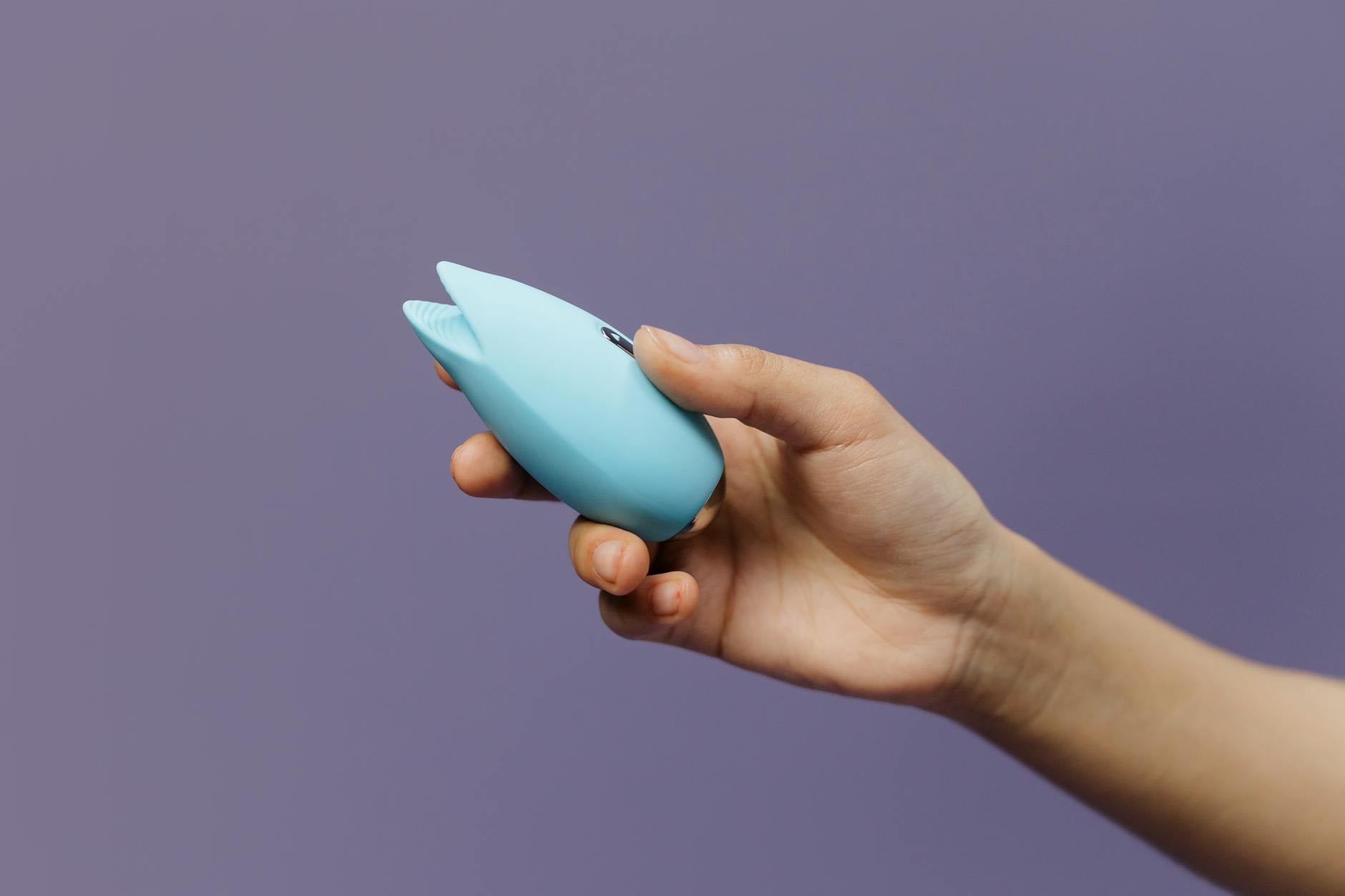
A lemon vibrator, or any air-suction clitoral vibrator, works differently than standard vibrators. Instead of mechanical vibration, it uses gentle pulsing suction that stimulates the clitoral nerves without requiring the kind of full-body arousal and lubrication that takes time to build.
When your nervous system is occupied and your desire is low, this matters. You don't need to wait 20 minutes to feel something. Lemon vibrators create physical sensation quickly, sometimes within seconds. That speed matters when you're trying to pull your attention back into your body.
Second, they're precise. A lem vibrator focuses stimulation on the clitoral area alone. You don't need partner involvement, complex positioning, or sustained arousal. You literally just show up and let the tool do what it does. For someone relearning pleasure after life has upended it, that simplicity is everything.
The actual step-by-step to rekindle desire
Reimagining pleasure after life changes takes strategy, not willpower.
Step 1: Separate desire from shame. Most people who've lost desire assume they're broken. You're not. Your nervous system is doing its job. The first thing to do is talk to yourself like you're a friend in crisis, not a problem to fix. "My desire is quiet right now because my life is in transition. That's actually normal and temporary." This sounds simple, but it changes everything.
Step 2: Start with sensation, not arousal. You're not trying to get horny. You're trying to remember that pleasure exists in your body. Spend time noticing physical sensation without the goal of orgasm. A bath. A massage. A moment of sunlight on your skin. This rewires your nervous system to register pleasure as safe.
Step 3: Use a lemon vibrator as a reset button, not a goal. Set aside 10 minutes. No pressure to come. No expectation of a particular outcome. Just see what happens. Start on pattern 1 or 2. Let your attention settle into the sensation. Most people find that even when desire is low, the physical stimulation from a clitoral vibrator reconnects them to their body surprisingly quickly.
Step 4: Do it at a time when your nervous system is actually available. Not after a 12-hour workday when you're depleted. Not after an argument. Not when you're thinking about three other things. Pick a moment when you're actually rested, even if that's only 20 minutes on a Sunday afternoon. Quality over frequency.
Step 5: Accept that pleasure might feel different. After life transitions, orgasms sometimes feel gentler. Or absent for a while. Or different in shape and timing. This doesn't mean anything is broken. It means your body is honest about what's happening in your life. Gentler pleasure is still pleasure.
When to get support from a professional
If desire has been gone for longer than six months and nothing is shifting, talk to a therapist. Not because you're broken, but because your nervous system might need help settling. Grief, trauma, and major life transitions sometimes need clinical support to process.
If sex feels painful or your body has changed in ways that make pleasure difficult, a sex therapist trained in trauma-informed care can help you reconnect. If you're in a relationship and both of you are struggling to find desire together, couples therapy that addresses intimacy is worth the investment.
If you're taking medications that suppress desire, talk to your prescriber. Sometimes switching timing, dosage, or medication can help without compromising the treatment itself.
The mindset shift that actually works
Here's what I've seen change things for people: stop waiting for desire to return before you "deserve" pleasure. Pleasure isn't a reward for getting your life together. Pleasure is something your nervous system needs in order to get your life together.
Using a lemon vibrator when you're struggling isn't about forcing yourself to feel good. It's about giving your body permission to remember that sensation exists. It's about sending a signal to your nervous system that you're safe enough to feel something.
Your body changes. Your life changes. Your desire changes. None of that means you're broken. It means you're human, and you're navigating something real.
FAQ: Desire, Life Changes, and Lemon Vibrators
What if I still don't feel anything after using a lemon vibrator?
Physical sensation and emotional arousal are different things. You might feel the vibrator doing its job without feeling "horny." That's completely normal, especially after major life shifts. Start by celebrating the physical sensation alone. Arousal can follow, but it's not the whole goal.
Can using a clitoral vibrator make my desire come back faster?
No tool can rewire your nervous system. But yes, lemon vibrators can help. By reconnecting you to physical sensation regularly, you send your nervous system the message that pleasure is safe and available. Over weeks or months, that can help desire resurface naturally. It's not magic. It's just neurological consistency.
Is it normal to feel guilty using a vibrator when my life is hard?
Completely normal and completely understandable. Many people feel like they don't "deserve" pleasure when they're struggling. That guilt is often rooted in old messaging about pleasure being a luxury. It's not. For your nervous system, pleasure is a basic tool for regulation. Using a lemon vibrator when your life is hard isn't selfish. It's self-maintenance.
How do I explain this to a partner if I'm struggling with desire?
Separate the conversation about your desire from the conversation about your relationship. "My desire is low because I'm processing some big changes" is different from "I don't want you." Partners often assume low desire means low attraction. It usually means your nervous system is occupied. Name that distinction clearly.
Should I use lubricant with a lemon vibrator when desire is low?
Yes. Even when natural lubrication isn't happening, a water-based lubricant helps the vibrator work better and feels more comfortable. It's not a sign of failure. It's just a tool that helps your body cooperate.
What if pleasure feels completely different now than it used to?
It probably is different. After major life transitions, your body's responses often shift. Orgasms might come faster or slower. Sensation might feel more local or more diffuse. That's your nervous system being honest. The goal isn't to return to how it was. The goal is to get curious about how it is now.
Moving forward
Desire isn't a fixed thing you either have or don't have. It's a capacity that grows and shrinks based on your life. After major change, your job isn't to force desire to return on the old schedule. Your job is to gently reconnect your nervous system to pleasure in whatever form it takes now.
A lemon vibrator is just a tool. It's not magic. But it can be the bridge between "I used to feel pleasure" and "I feel pleasure again." Sometimes you just need something to help you cross over.
Ready to start somewhere? Reach out to Hello Nancy if you want to talk through what might work best for you.