Let's start here: this is real, and it's not your fault
Antidepressants work. They quiet the noise in your head, stabilize your mood, and give you back your life. And about 40% of people taking SSRIs experience some shift in sexual function. That stat is huge and almost nobody talks about it. You're not broken, your medication isn't failing you, and you absolutely don't need to choose between your mental health and pleasure.
Here's what actually happens, and what you can do about it.
How SSRIs change the arousal timeline
Serotonin is involved in both mood regulation and the arousal response. When SSRIs increase serotonin availability in your brain, they calm anxiety (which is good for mood, maybe less good for spontaneous desire). They also slow the cascade of signals that leads from initial arousal to orgasm.
The effect feels different from person to person. Some people notice that desire takes longer to build. Others find that orgasm is harder to reach, or takes much longer, or feels less intense when it arrives. A few people experience all three at once.
The good news is that this doesn't mean you can't have pleasure. It means your pleasure timeline has simply changed. And for that, lemon vibrators and clitoral toys are genuinely valuable tools.
Why clitoral vibrators help bridge the gap
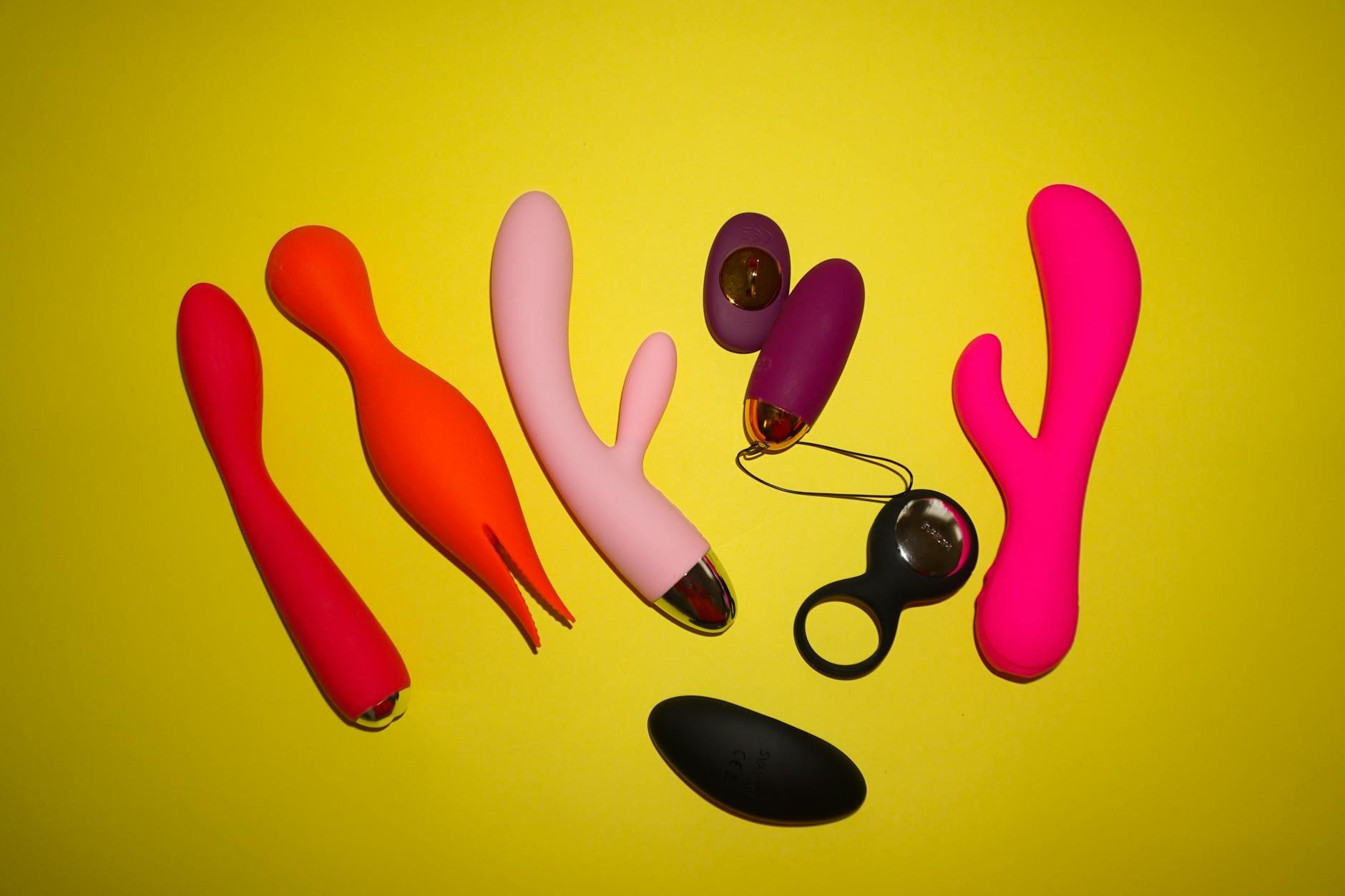
A lemon clitoral vibrator like the Lem works differently than your hand or a partner's touch. Instead of relying on the building momentum of traditional arousal, suction and vibration devices create direct, consistent stimulation that bypasses some of the delayed neural pathways that SSRIs affect.
In plain terms: your brain might be slow to send the signal to your body that arousal is happening. A clitoral vibrator gets there faster anyway, and keeps the sensation consistent while your nervous system catches up.
People on SSRIs often report that vibrators make the difference between thirty minutes of effort and no payoff versus ten minutes and actual orgasm. That's not a small thing.
The practical adjustments that work
Start with a longer warm-up than before.
If pleasure used to arrive in five minutes and now it takes twenty, that's the new normal. Budget that time. Schedule it if you have to. This isn't about fixing yourself. It's about working with how your body operates right now.
Use vibration strategically earlier in the sequence.
Don't save the toy for the very end. Many people find that building initial arousal with a lemon vibrator actually makes the whole experience easier. Your body gets the signal faster, and the psychological relief of "this is working" reduces performance anxiety, which only makes everything harder anyway.
Layer in different intensities.
Start low. Lemon clitoral vibrators usually have multiple patterns and speeds. Spend time at patterns one and two before moving up. Your body might need time to "warm up" to higher sensation in a way it didn't before the medication.
Don't skip lubrication.
Without adequate lubrication, clitoral vibrators can feel jarring or uncomfortable. Water-based lube is your friend here. It's not a sign of dysfunction. It's how arousal is working now.
The mental piece matters as much as the physical
Here's what I hear most often from people managing this: "I'm frustrated that I need a toy now. I didn't used to." That frustration makes sense and is also worth acknowledging, then moving past.
Your antidepressant is doing its job. The fact that it also changed your sexual response is a side effect, not a personal failure. Using a lemon vibrator isn't settling. It's not compensation for being broken. It's resourcefulness. It's you choosing pleasure even when your brain chemistry is working against it.
If you have a partner, that conversation is important too. Some people worry that needing a vibrator means their partner isn't enough. That's the guilt and frustration talking. The vibrator isn't a replacement. It's a tool that helps your body communicate with your brain about what pleasure feels like right now.
When to talk to your doctor
If the delay in pleasure is bothering you significantly, mention it to the prescriber. There are options:
Adjusting the dose might help, though that's not always feasible without affecting mood stability. Switching to a different SSRI can sometimes reduce sexual side effects because not all SSRIs affect arousal equally. Adding a second medication to counteract the side effect is sometimes done (bupropion is commonly added for this reason, though it's not perfect).
Timing the dose differently might also help. Some people find taking their medication at night instead of morning, or vice versa, changes the impact on arousal.
None of these decisions should be made alone. This is a conversation between you and your prescriber. But it's worth having.
The timeline question
How long does it take for arousal and orgasm to adjust? That varies wildly. Some people adjust within weeks. Others take months. A few find that the shift in timeline becomes their new normal and doesn't change. The important thing is knowing that your medication isn't going anywhere, and neither is your capacity for pleasure. You're just learning a new language for how your body works.
What's actually changed
Your antidepressant didn't take away your ability to feel pleasure. It didn't damage your nerves or erase your desire. It changed the timing and intensity of the signals your brain sends about arousal. That's frustrating and real and also absolutely workable.
A lemon vibrator acknowledges that shift and works with it instead of against it. Your pleasure matters. Your mental health matters. And you deserve both.
FAQ
Will I need a vibrator forever if I stay on my antidepressant?
Not necessarily. Some people find that their body adjusts to the medication over time and arousal speeds back up. Others find that the vibrator becomes part of their routine and prefer it either way. There's no timeline or rule here. It's about what works for you right now.
Does the type of SSRI matter for sexual side effects?
Yes, it does. Sertraline and paroxetine tend to have higher rates of sexual side effects than escitalopram or fluoxetine, though individual responses vary wildly. If sexual function is a priority for you, this is definitely worth discussing with your prescriber.
Can you build tolerance to a lemon vibrator the way some people do with toys?
Some people experience habituation with frequent vibrator use, where the same intensity feels less intense over time. If that happens, taking breaks helps. Using it less frequently, alternating intensities, or trying different patterns can also help maintain sensation. This isn't unique to people on SSRIs, though the delayed arousal of antidepressants might make you reach for the vibrator more often.
Is it normal that orgasm feels different now, even with the vibrator?
Completely normal. Antidepressants don't just slow the path to orgasm. They can also change how it feels. Some people describe it as less intense or more diffuse. Others find it's actually more pleasurable once it arrives. Everyone's experience is different. Pleasure isn't one size fits all.
Should I tell my partner about the side effects?
That depends on your relationship and communication style. But generally, yes. If they notice a change, they're going to wonder. Explaining what's happening removes the possibility of them personalizing it as a sign you're less attracted to them. It also opens the door to finding solutions together.
What if I want to switch medications because of the sexual side effects?
That's a valid conversation to have with your prescriber, but it requires honesty about what you're experiencing and what your priorities are. Sometimes a medication switch is the right call. Sometimes adjusting your approach is better. Sometimes it's worth trying the medication a bit longer to see if your body adjusts. Only you and your doctor can decide.
The bottom line
Antidepressants and pleasure aren't enemies. They're just operating on different timelines right now. With the right tool—like a lemon clitoral vibrator—and the right expectations, you can absolutely find your way back to pleasure. You don't have to choose between your mental health and your sexual health. You get both.