
When pleasure stops feeling like much of anything
Here's the thing nobody talks about openly: sometimes pleasure doesn't disappear. It just goes quiet. You touch yourself, use a clitoral vibrator, get stimulated, and feel almost nothing. No spark. No building sensation. Just numb electrical impulses that feel disconnected from your body.
That's hormonal desensitization, and it's way more common than you think. It's also fixable.
What hormones actually do to sensation
Estrogen and testosterone aren't just about desire. They directly affect how your nerve endings communicate with your brain. When hormone levels drop, shift unexpectedly, or get disrupted by medication, the neural pathway that processes pleasure gets quieter. Not broken. Quieter.
Think of it like a radio station going from clear reception to static. The signal is still there. Your clitoral nerves are still intact. Your brain can still process pleasure. But the transmission between them feels weak, delayed, or absent.
This happens with:
- Birth control pills (some formulations suppress testosterone more aggressively than others)
- Menopause and perimenopause
- Thyroid disorders
- Antidepressants and anti-anxiety medications
- Hormonal IUDs
- Hormonal shifts after pregnancy and breastfeeding
- Diabetes and cardiovascular conditions
- High stress and cortisol dysregulation
The clinical term is "sexual anhedonia" when it's broad. When it's localized to sensation, it's often called "genital numbness" or "tactile desensitization." But the lived experience is simpler: nothing feels like much.
Why Lemon vibrators specifically help with hormonal numbness
Most traditional vibrators rely on pure vibration intensity to break through. If your nerve endings aren't firing properly due to hormonal shifts, a powerful buzz can feel like nothing or actually numb you further.
Lemon clitoral vibrators work differently. They use pulsing patterns and rhythmic suction that stimulate deeper nerve clusters in the clitoris. Instead of flattening sensation with raw force, the pulsing patterns create a building crescendo that your nervous system can actually track and respond to. The rhythm itself becomes part of the signal.
For people experiencing hormonal desensitization, this matters. Your body can reconnect with sensation through pattern and rhythm more easily than through amplitude alone.
How to actually use Lemon vibrators when sensation feels muted
Start lower than you think you need to.
When you're numb, the temptation is to go harder and louder. Don't. Intensity against desensitized tissue often creates more numbness, not less. Start on settings 1 or 2 on your clitoral vibrator and spend 5-10 minutes there. Let your nervous system slowly register the signal.
Focus on the edges first, not the center.
The clitoral glans (the tip) can sometimes feel completely dead when hormones are off. The surrounding tissue is usually more responsive. Use your Lemon vibrator on the sides and base of the clitoris, where the nerve clusters are larger and deeper. You'll often feel something there before the tip wakes up.
Build duration, not intensity.
Instead of chasing a sensation that isn't coming, extend your time with lower-intensity stimulation. Aim for 20-30 minute sessions with your lemon clitoral vibrator. This longer exposure time helps your nervous system gradually re-establish the connection between stimulus and sensation. You're training your nerves, not just hunting for a buzz.
Use a clear pattern, not randomness.
Lemon vibrators with rhythmic pulsing patterns work better than random buzzing for numb sensation. The predictable pattern actually helps your brain anticipate and process stimulation. It's the difference between someone tapping your arm in a rhythm (you feel it building) versus random pokes (you almost don't register anything).
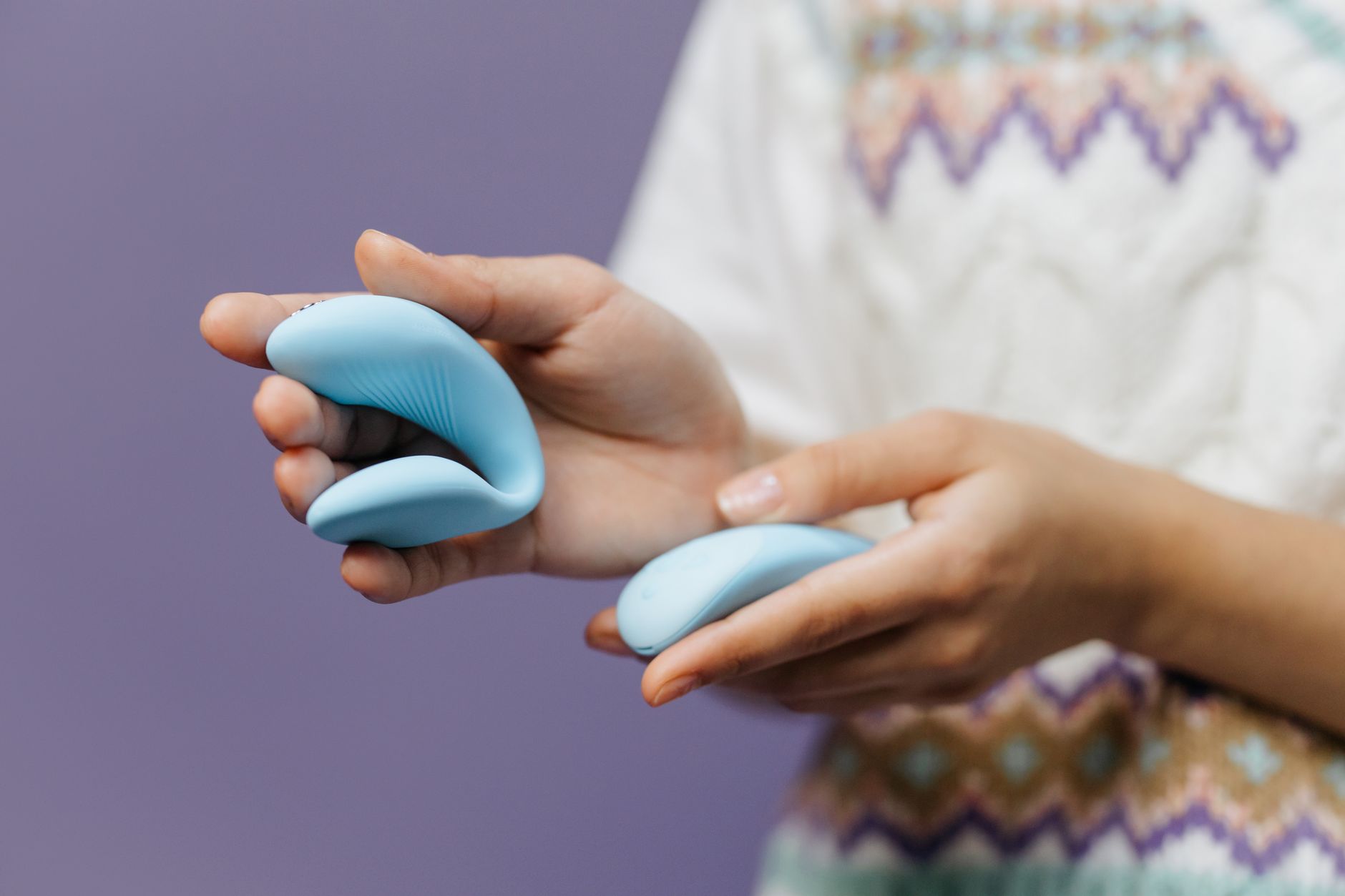
Photo by cottonbro studio on Pexels
The hormonal fix that's actually worth addressing
This is crucial: hormonal desensitization is treatable at the source, not just around the edges.
If you're on birth control, talk to your provider about formulations with higher bioavailable testosterone or lower androgen suppression. Some pills are notorious for flattening desire and sensation. Different ones aren't.
If you're in perimenopause or menopause, a conversation with a menopause-informed doctor or therapist about hormone replacement therapy (HRT) or testosterone therapy is worth having. The studies are clear: these therapies restore sensation and pleasure response in most people. You don't have to live numb.
If you're on an antidepressant that's dulling sensation, don't stop it. Instead, work with your prescriber about switching to one less likely to affect sexual sensation (sertraline and fluoxetine are worse offenders; some options barely touch it). That's a real option, not a trade-off you have to accept.
Thyroid dysfunction, blood sugar dysregulation, and cardiovascular issues also suppress sensation. Getting those addressed brings sensation back naturally.
If the desensitization started after stress, major life changes, or grief, you might be dealing with stress-hormones flattening pleasure signaling. That gets better with time, therapy, and nervous system work. Not immediately. But genuinely.
The patience part nobody mentions
Rebuilding sensation takes time. You won't use a clitoral vibrator once and suddenly feel everything again. Think in terms of weeks, not sessions. Your nervous system is retraining itself to register signals it's been ignoring or unable to process.
This is also where your mind matters more than your body does. Shame, grief, disconnection, and pressure all actively suppress sensation. If you're using a Lemon vibrator while thinking "this should be working by now" or "something's wrong with me," your nervous system picks that up and stays defended.
Try this instead: approach sensation with curiosity, not expectation. Can you feel a tiny hint of something? That counts. Does it feel stronger on a different part of your clitoris? That's useful data. Are you enjoying 10 minutes into stimulation even if you're not close to orgasm? That's the beginning.
When to bring your partner (or not) into this
If you're partnered and have been avoiding sex because sensation feels dead, you might assume the fix is to rebuild desire together. Sometimes. Often, the fix is to rebuild sensation alone first.
Your partner's presence, expectations, and timing add cognitive load that makes numb sensation even harder to access. Solo exploration with your clitoral vibrator removes that pressure and lets you reconnect with your own body's signals without anyone else's experience mattering.
Once sensation is rebuilding, partnered sex becomes possible again. But trying to fix numb sensation while performing for someone else is like trying to hear someone whispering while a crowd is talking. It doesn't work.
What realistic reconnection looks like
It's not a sudden flip from numb to feeling everything. It's gradual. First you notice a tiny tingle that wasn't there before. Then you feel warmth. Then actual pleasure sensation starts building instead of just existing. Then arousal starts following pleasure again instead of the other way around.
This takes weeks. Sometimes months if the hormonal cause is deep. But it does happen, and Lemon vibrators designed for sensitivity and rhythm help the process along by giving your nervous system something clear to grab onto.
You're not broken. Your sensation isn't gone. It's just temporarily disconnected, and the reconnection is absolutely possible.
People also ask
How long does it take for sensation to come back when using clitoral vibrators?
Most people notice subtle shifts within 2-3 weeks of consistent use. Noticeable sensitivity return typically takes 4-8 weeks, depending on what caused the desensitization. If it's hormonal, addressing the hormone imbalance directly speeds this up significantly. If it's medication-related, switching medications might restore sensation within days or weeks. Solo work with your Lemon vibrator helps rebuild the neural pathway regardless of cause.
Can using vibrators too much make hormonal numbness worse?
Yes, if you're using very high intensity on numb tissue. The vibration can actually increase numbness temporarily. Lower intensity, longer duration, and rhythmic patterns are better. High-frequency buzzing against desensitized nerve endings sometimes creates more numbness as a protective response. Work with lower settings on your lemon clitoral vibrator and increase only if sensation starts returning.
Should I see a doctor if pleasure feels numb?
Absolutely. Numbness that lasts more than a few weeks is worth investigating. It usually points to a fixable cause: medication side effects, hormonal imbalance, thyroid dysfunction, blood sugar issues, or stress patterns. A good gynecologist or sexual health specialist can run basic bloodwork and help identify what's actually causing it. Once you know the cause, sensation typically returns once you address it.
Do I need expensive vibrators or will any lemon adult toys work for this?
The pattern and design matter more than price. You need rhythmic pulsing, not just raw vibration. Lemon clitoral vibrators are specifically designed with sensitivity in mind and include pulsing patterns that work better for desensitized tissue than basic buzz vibrators do. The technology is often gentler and more effective for this specific issue. You don't need the most expensive model, but design quality matters here.
Can stress and anxiety cause hormonal numbness?
Completely. Cortisol dysregulation (chronic stress) suppresses both testosterone and estrogen and directly dampens pleasure signaling through your nervous system. Anxiety keeps your body in a protective state where sensation feels muted. If your numbness coincided with major life stress, relationship strain, or loss, that's very likely contributing. Therapy, nervous system work, and time help restore sensation when stress is the cause.
What if hormonal treatment doesn't bring sensation back?
If you've addressed the hormonal cause and sensation still isn't returning after 8-12 weeks, other factors might be at play: pelvic floor tension, nerve damage from injury or surgery, depression or other mental health factors, or relationship dynamics that keep your nervous system defended. A sex therapist or pelvic floor physical therapist can help diagnose what's actually preventing sensation from returning. It's almost always fixable with the right support.
The short version
When hormones shift, sensation doesn't vanish. It just gets quiet. Lemon vibrators with pulsing patterns, used at lower intensity over longer sessions, help your nervous system relearn how to process pleasure signals. But fixing the sensation usually means addressing what caused the numbness in the first place. Talk to your doctor about hormones, medication, or stress patterns. Use your clitoral vibrator with patience and curiosity, not pressure. Reconnection is possible, and it's genuinely worth the time investment.
If you're ready to explore sensitivity rebuilding and want to talk through what might work for you, get in touch. I'm here to help you understand what's happening in your body and find a path forward.