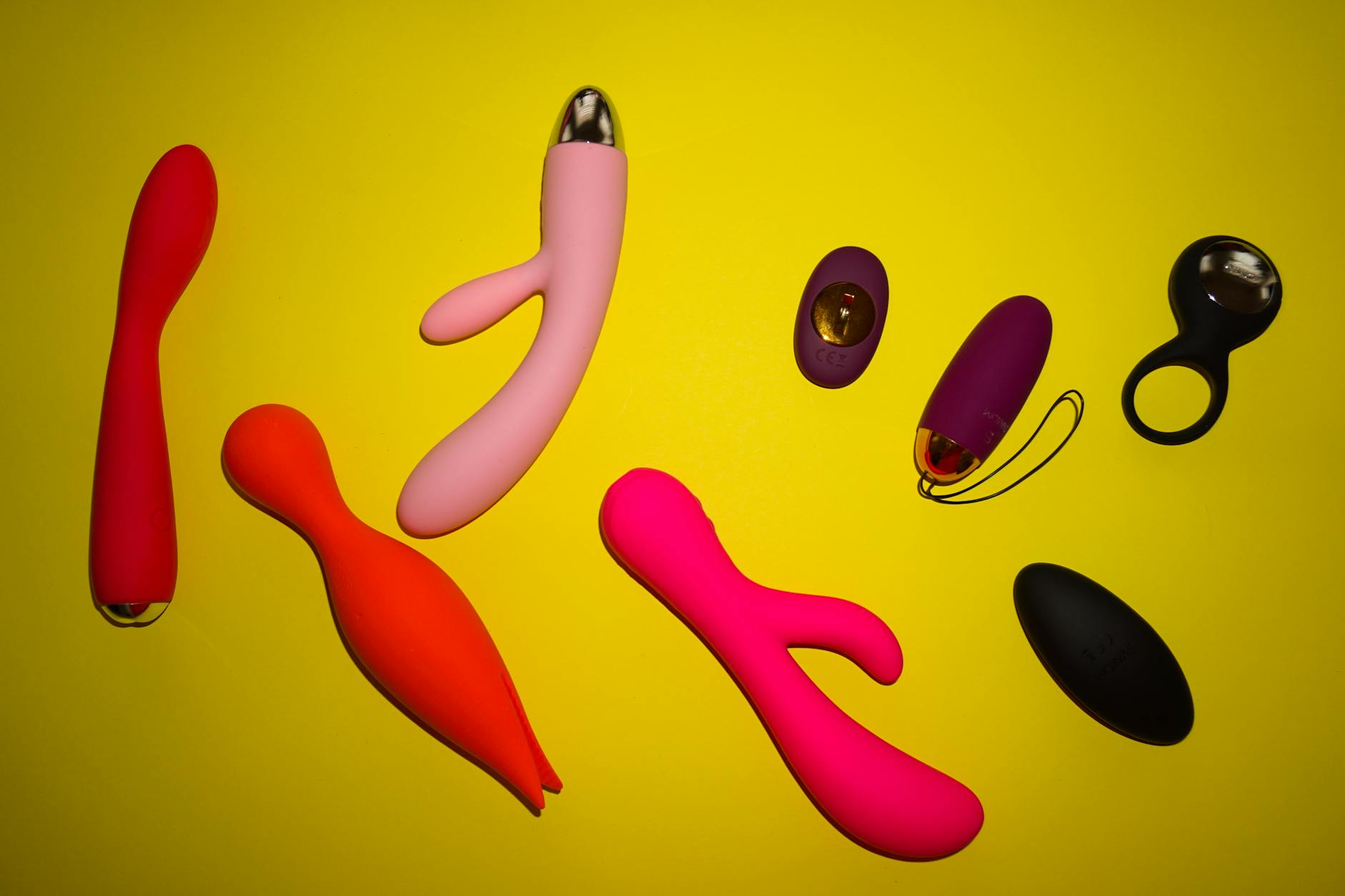
Let's talk about slow starts
You used to get there in five minutes. Now it takes fifteen. Or thirty. And somewhere along the way, you've started wondering if something broke.
It didn't. What actually happened is pretty straightforward: your body's arousal timeline shifted. This is phenomenally common, and it's also fixable.
Why pleasure takes longer now
There are roughly five reasons arousal slows down, and most people experience more than one at the same time.
Stress and cognitive load. If your brain is cycling through work deadlines, kids' schedules, or money worries, your nervous system is literally not available for pleasure. The arousal response requires a parasympathetic shift. You can't shortcut that by being more turned on. You have to actually calm down first.
Medication side effects. Antidepressants, blood pressure meds, and hormonal birth control all change how fast desire builds. This isn't a sign to stop your medication. It's a sign to work with your body differently.
Hormonal changes. Even if you're not in menopause, estrogen fluctuations across your cycle affect arousal speed. Some phases of your cycle are naturally slower. That's not dysfunction. That's your body being a body.
Relationship rhythm changes. If your partner tends to move faster than you, you might have unconsciously trained yourself to speed up. Then when you're alone, that pace doesn't work anymore. Your actual timeline is slower than you learned.
Aging and neurological shifts. Blood flow changes, nerve sensitivity recalibrates, and the sequence of physical response sometimes reorganizes itself. This is especially true if you're in your 40s or beyond.
Here's what matters: none of these require you to feel broken. They require you to adjust your approach.
How delayed arousal actually works with toys
Many people assume that using a clitoral vibrator means faster arousal. Not quite. A vibrator is a tool that works with your body's timeline, not against it. If you use Lemon toys the way you'd use manual stimulation, you'll bypass the slow warm-up your nervous system needs, and you'll end up frustrated.
Instead, think of a lemon clitoral vibrator as a way to dial in precision at each stage of arousal. Early on, that means gentler patterns on lower settings. Mid-way through, you're building intensity. At the peak, you're working with the vibration to reach orgasm.
The key difference: a vibrator lets you hold that middle-stage intensity longer without fatigue. Your hand gets tired. A vibrator doesn't. So if your arousal phase is naturally longer, a vibrator actually gives you an advantage. You get consistent stimulation without cramping, which means you can relax into the slow build instead of fighting it.
The warm-up framework that actually works
I recommend breaking this into three distinct phases, each with different settings and intentions.
Phase One: Settling (5-10 minutes). This isn't about pleasure yet. This is about permission and transition. Turn off your phone. Close the door. Light a candle if that helps your brain switch gears. You might use your vibrator on the lowest setting just to feel it, without expecting arousal. The goal is nervous system downshift, not pleasure climbing.
Many people skip this. Then they wonder why their body won't cooperate. Downshift first. Everything else follows from that.
Phase Two: Building (10-20 minutes). Now you're looking for sensation. Stay with lower-to-mid settings on the Lem or whatever lemon vibrator you're using. The idea is to find the pattern and intensity that creates gentle pleasure without trying to push toward orgasm. If you're using the clitoral vibrator on patterns 2-4, you're usually in the right zone. Move it around. Vary the angle. Let your body show you what's working.
Do not rush this phase. This is where arousal actually builds. Your clitoris is becoming more sensitive, blood is gathering, your breathing naturally changes. These things take time. And honestly, it's the best part.
Phase Three: Intensifying (5-15 minutes). Once you feel genuinely aroused, you can increase settings. This is where higher patterns on your lemon clitoral vibrator become useful. You're working with momentum now, not creating it from zero. This phase is usually shorter and more dynamic.
The temptation is to skip phases one and two and land here. That rarely works. Your nervous system doesn't cooperate when you try to force it. But if you actually take the first two phases seriously, phase three almost always flows.
Settings and patterns for slow arousal
If you're using a Lem vibrator or similar lemon toy, here's what I've seen work best:
Start with pulse patterns rather than continuous vibration. Pulse gives your nervous system something to anticipate. It's less overwhelming and allows for deeper sensation. Settings 1-3 are usually your slow-build zone. Many people get stuck here because the intensity feels too low. It's not. Low intensity with time creates more arousal than high intensity rushed.
After about 15 minutes on pulse patterns at lower settings, you can move to continuous vibration or higher patterns if that's what your body wants. But rushing this transition is where most people sabotage themselves.
If you find that even settings 1-2 feel too intense early on, use the vibrator over fabric initially. A thin layer of underwear or a soft blanket changes the sensation significantly without reducing it. Your nerve endings still feel it. Your nervous system gets less of a jolt. Then remove the layer as you build.
The setup that removes friction
One of the reasons pleasure takes longer is practical obstacles that interrupt your focus. Remove these:
Make sure you have what you need physically accessible before you start. Lube, water, your vibrator, tissues. Nothing kills momentum like having to get up halfway through. Water-based lubricant is your friend here because it keeps things comfortable, especially if you're taking a longer warm-up approach. Drying out mid-phase is annoying and forces you to start over.
Set a time boundary that's realistic. If you tell yourself you have 45 minutes, you relax. If you're mentally racing against a deadline, your parasympathetic nervous system knows it. You'll stay tense. Longer arousal requires permission to actually take time. Give yourself that.
When delayed arousal is a sign of something else
If pleasure used to build normally and suddenly stopped building at all, a few things are worth checking. Are you actually relaxed? Are you alone without interruption risk? Is your medication new? Have you had major stress changes recently?
If none of those fit and arousal is completely absent rather than just slower, that's worth mentioning to your doctor or a therapist. Completely flat desire is different from slow desire. They need different approaches.
But slow desire? That's the norm more than you think, and it's completely workable with the right tools and framing.
The permission piece matters most
Here's the thing that actually changes everything: most people with delayed arousal are fighting their timeline instead of working with it. They get frustrated that they're not climaxing in five minutes like they used to, so they push harder, which tenses their nervous system more, which slows arousal further.
The better move is accepting that your arousal now has a different rhythm. Some of the best pleasure happens in that longer build because your mind settles, your body deepens, and you're not white-knuckling toward a finish line.
Using a lemon clitoral vibrator is helpful in that context because it means you can take the time without fatigue. You can relax into it. You can explore.
Your pleasure takes longer. That's not a problem. That's just your body asking you to slow down and actually feel it.
People also ask
How long should arousal actually take?
There's no universal timeline. For some people, it's fast. For others, especially people over 40, it's 20-30 minutes of warm-up before anything serious happens. Both are normal. What matters is that you're not fighting your actual timeline. The Lem vibrator works well with longer warm-ups because you get consistent stimulation without your hand getting tired.
Is slow arousal a sign of low libido?
Not necessarily. Low libido usually means little to no desire for sex. Slow arousal means desire exists but takes longer to build. These are different things. You can have strong desire and slow arousal. Usually, slow arousal is fixable with better warm-up. Low libido often needs a different conversation with a doctor or therapist.
Can I use higher vibrator settings if I'm in a slow warm-up phase?
Technically yes, but usually not helpfully. High intensity early on can numb sensation or create tension that actually slows arousal further. Better to work with lower settings and patterns longer. Your lemon sexual toy is more useful at low intensity held longer than at high intensity rushed. That's the whole point of having settings.
Should I use lube if arousal takes longer?
Yes. If you're warming up for 20 minutes, your natural lubrication might not keep pace with the time. Water-based lube keeps things comfortable and lets you focus on pleasure instead of friction. It's not a sign anything's wrong. It's good logistics.
What if my partner wants faster arousal than I naturally have?
That's a separate conversation from your body's timeline. If you're trying to rush arousal to match a partner's pace, your nervous system will stay tense and arousal will stay slow. Better to have an honest conversation about timing. How to Use Lemon Vibrators With a New Partner for the First Time walks through that specifically.
Do certain lemon vibrator patterns work better for slow arousal?
Generally, pulse patterns are better than continuous vibration for slow warm-ups because they're less overwhelming and give your nervous system a rhythm to follow. Continuous vibration can work too, but many people find pulse more meditative. Experiment with both and see which your body prefers. There's no wrong answer.
How do I know if slow arousal is a medication side effect?
If your arousal timeline changed after starting a new medication, that's usually the culprit. Antidepressants, blood pressure meds, and hormonal birth control are the common ones. Talk to your prescriber. Sometimes adjusting dose or timing helps. Sometimes you need to work with your body's new timeline. Usually both.
What actually matters
Your arousal timeline is not a problem. It's information. Your body is telling you what it needs now. Maybe it needs more time. Maybe it needs less stress beforehand. Maybe it needs a different kind of touch.
When you work with that information instead of against it, pleasure gets better. Slower doesn't mean worse. It often means deeper, more sustained, and ultimately more satisfying. A lemon clitoral vibrator helps because it lets you take that time without mechanical fatigue.
Start with the framework. Give yourself the time. Let your nervous system settle. Then pay attention to what your body actually wants. That's where the good stuff lives.