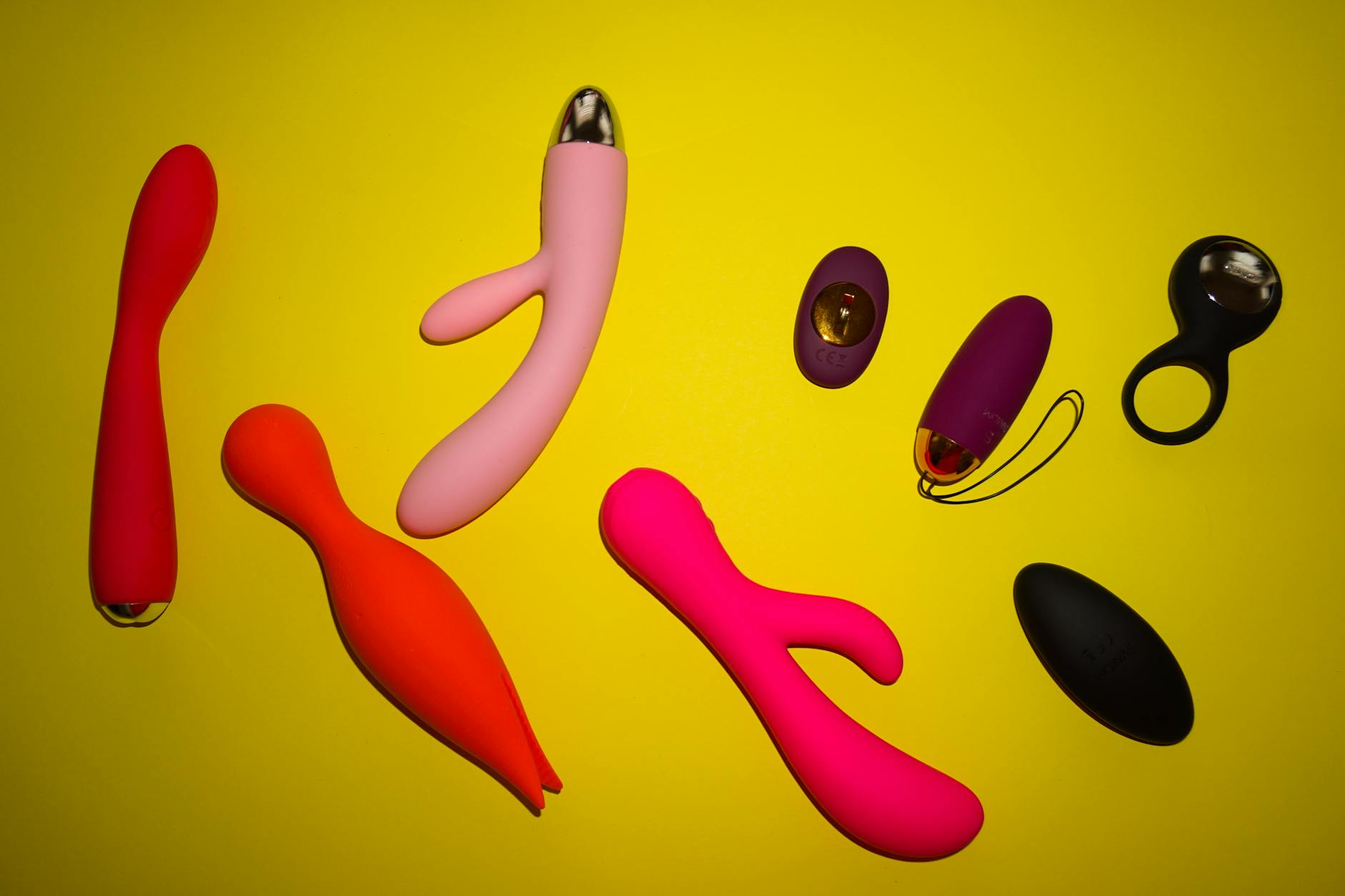
Let's start with what's actually happening
Tight pelvic floor muscles are sneaky. Most people don't even know they have tension there until pleasure stops working the way it used to. The good news is that pelvic floor tension is one of the most correctable obstacles to pleasure. Using lemon vibrators while you're rebuilding pelvic floor relaxation takes some intentionality, but the payoff is real.
Pelvic floor dysfunction doesn't mean you're broken. It means your muscles have forgotten how to relax. And here's the thing about muscles: they respond beautifully to the right kind of attention.
Why pelvic floor tension changes everything
Your pelvic floor is a hammock of muscles that supports your bladder, uterus, and bowel. When these muscles stay contracted, they create a physical gate between you and pleasure. Arousal requires relaxation. Orgasm requires even more relaxation. If your pelvic floor can't soften, neither of those things happen easily.
Pelvic floor tension shows up in a few ways. You might feel pain during sex. You might notice it takes forever to orgasm, or the orgasms feel weak and concentrated instead of full-body. You might have constant heaviness in your pelvis, even when you're not using a toy. Some people experience urinary urgency or pain that seems totally unrelated to pleasure, but it's all connected.
Common causes include prolonged sitting, chronic stress, a history of anxiety, past sexual trauma, giving birth, or honestly just carrying tension in your body the way some people carry tension in their shoulders. Whatever the cause, the solution involves the same approach: gentle, patient muscle reeducation.
How to assess your pelvic floor tension before using toys
Before you reach for your lemon vibrator, check in with your body. Here's how: lie down, put a clean finger inside your vagina about an inch, and see if you can notice a squeeze. Now ask those muscles to release completely. Can you feel them soften?
If you can't feel a difference between squeezed and released, that's pelvic floor tension. If you feel sharp pain instead of pressure, that's also pelvic floor tension (the painful kind). Either way, the approach to pleasure changes slightly.
If the tension is severe, see a pelvic floor physical therapist before diving into toy exploration. This is not negotiable. A PT can assess what's actually happening and give you targeted exercises that prepare your body to experience pleasure again. Once you've had clearance from a professional, you can reintroduce lemon vibrators intentionally.
The warm-up that actually matters
When you have pelvic floor tension, foreplay stops being optional. Spend 15 to 20 minutes on non-genital touch first. This signals to your nervous system that you're safe and it's time to relax.
Then, move to external touch around the vulva and inner thighs. No penetration yet. Use your hands or a partner's hands. Go slowly. The goal here is not arousal in the traditional sense. The goal is permission for your muscles to soften.
Once you notice your breathing has slowed and your body feels genuinely heavy and open, you're ready to introduce your lemon vibrator. Not before. This timing thing is not wasted effort. It's the entire foundation.
Starting with external-only stimulation
When you first return to vibrators while recovering from pelvic floor tension, stay external. Your clitoral vibrator is perfect for this because it's designed for external pressure, not insertion.
Start on the lowest setting. Some people skip straight to pattern three on their lemon clitoral vibrator and wonder why it hurts. When your pelvic floor is tense, sensitivity is heightened in the wrong way. Low intensity builds confidence. It also lets you notice what actually feels good versus what feels like an assault on your nervous system.
Hold the vibrator against the top or side of your clitoris, not directly on the tip. The clitoral glans is packed with nerve endings, and when your pelvic floor is tight, direct contact often triggers tension rather than release. Angling the vibrator means you get stimulation without overwhelming your already-heightened sensitivity.
Keep sessions short. Fifteen minutes is plenty. If you're not orgasming, that's fine. The win right now is relaxation, not climax. Every session where your body learns that vibration means softening, not bracing, is a win.
The paradox of relaxation during pleasure
Here's what I notice with clients recovering from pelvic floor tension: the moment they start to feel pleasure building, they unconsciously tighten their pelvic floor. It's a protective reflex. The body thinks excitement means emergency and locks down.
When you notice this happening (and you will), pause. Put your vibrator down. Take five slow breaths. Place your hand on your lower belly or perineum and consciously soften. Then start again, much more gently.
This happens many times before your nervous system learns a new pattern. That's normal. You're literally rewiring the connection between pleasure and relaxation. It takes repetition.
When to gradually introduce internal stimulation
Once external-only sessions feel genuinely pleasurable for a few weeks, you can cautiously explore internal touch. But not with your lemon vibrator yet. Start with a clean finger. Solo, with a partner, whatever feels safer.
Use the same assessment: can you insert without your pelvic floor bracing? If yes, can you keep it relaxed while something is inside? This is harder than it sounds. Most people discover they can't. That's data. That's useful.
Pelvic floor physical therapy exercises like reverse Kegels (where you actively soften and stretch the muscles) are now your friend. Do those consistently. Return to finger exploration once a week.
Only once you can comfortably insert a finger and keep your pelvic floor relaxed should you consider using your lemon vibrator internally. And even then, start on the lowest setting, keep sessions brief, and prioritize relaxation over sensation.
Why lemon vibrators work specifically for pelvic floor recovery
Lemon vibrators offer patterns instead of just continuous buzz. Patterns can feel less invasive than steady vibration, and they're easier to relax into. The design of a lemon clitoral vibrator also means you're in control of pressure and angle in a way that larger vibrators don't allow.
The Lem, for instance, has a focused tip that lets you apply pressure exactly where you want it, not where a toy designer decided felt generic. That precision matters when you're rewiring your nervous system's response to pleasure.
Patience is not a soft skill here
Pelvic floor recovery is slower than you want it to be. You'll have sessions where your body remembers the old pattern and tightens up. You'll have nights where sensation completely disappears. This is part of the process, not a sign that something is wrong.
The timeline varies wildly. Some people feel significant improvement in four to six weeks. Others take months. Variables include how long the tension has been present, your stress levels, whether you're doing pelvic floor PT, and your overall nervous system regulation.
What doesn't vary is that consistency beats intensity. Using your lemon vibrator twice a week with full presence is infinitely better than using it every day while distracted or frustrated.
When to involve a partner
If you have a partner, they can be genuinely helpful during recovery. The key is communication that's crystal clear and judgment-free.
Tell them what you're learning about your body. Tell them that you might need to pause frequently. Tell them that success right now looks like relaxation, not orgasm. Partners who understand this can apply gentle external pressure while you're learning to soften, which is calming in a way that solo exploration sometimes isn't.
What doesn't help: partners who rush, who take pauses personally, or who turn the whole thing into a performance. If that's your dynamic, solo exploration with your lemon vibrator while you rebuild your relationship to pleasure might be the better path first.
The connection to stress and life circumstances
Pelvic floor tension almost never exists in isolation. It lives alongside anxiety, relationship stress, work pressure, or unresolved trauma. Pleasure recovery, therefore, is not just a physical project. It's a nervous system project.
While you're using your lemon vibrator intentionally, also look at what's happening in the rest of your life. Are you sleeping? Managing stress? Processing difficult emotions or transitions? The pelvic floor responds to all of it.
Sometimes the best thing you can do for pleasure recovery is address the underlying tension source. That might mean therapy, meditation, movement, or honest conversations with a partner. Your vibrator is a tool, not a fix.
FAQ: Pelvic Floor Tension and Pleasure
Can I still orgasm while recovering from pelvic floor tension?
Yes, but not the way you're used to. Orgasms while your pelvic floor is tight tend to be shallow, take forever to build, or feel more like a sneeze than a release. As your pelvic floor relaxes, you'll notice orgasms deepen, build faster, and feel more satisfying. This transformation is one of the best motivations to stick with recovery work.
Is pelvic floor physical therapy absolutely necessary, or can I do this alone with a vibrator?
A pelvic floor physical therapist is the ideal partner in recovery, especially if you have pain or severe dysfunction. They can identify exactly which muscles are tight and teach you targeted release techniques. That said, some people see improvement with consistent vibrator use, breathing work, and self-awareness. If you can access a PT, do it. If you can't, start very gently with your lemon vibrator and pay attention to what your body tells you.
How long until I can use my lemon vibrator the way I did before the tension started?
It depends on the severity and how long it's been present. Mild tension sometimes resolves in six to eight weeks. Chronic tension can take three to six months. The important shift happens when you stop thinking of vibrator use as a return to baseline and start thinking of it as learning a new relationship to pleasure. Once that flips, the timeline becomes less important.
What if my pelvic floor tightens up even more when I use my vibrator?
Stop. That's your body telling you it's not ready. Take a week off from vibrator play and focus on breathwork, gentle stretching, and external touch only. Pelvic floor tension is often a protective reflex. Pushing through it reinforces the protective pattern. Work with a PT or somatic therapist to understand why your nervous system is bracing, then return to vibrator use once you've addressed the underlying fear or tension.
Can I use vibrators if I have vaginismus or severe pain during penetration?
Vaginismus is involuntary pelvic floor clenching, and it often comes with significant pain. A pelvic floor physical therapist is essential here, not optional. Once you've worked with a PT and your body is starting to relax, lemon vibrators can be part of gentle reintroduction to internal sensation. External-only vibrator use is usually safe and sometimes even helpful. Never push through pain.
Does using a lemon vibrator while recovering from pelvic floor tension make the tension worse?
Not if you use it correctly. The risk comes from using it too intensely, too frequently, or before your pelvic floor has enough baseline relaxation. Used gently and patiently, a lemon clitoral vibrator can actually teach your nervous system that pleasure means softening. But yes, aggressive use when your pelvic floor is already tight can reinforce the tension pattern. Slow and consistent wins here.
The reset you didn't expect
Pelvic floor recovery is not just about fixing a physical problem. It's an opportunity to rebuild your relationship to your own pleasure from the ground up. When you slow down enough to notice what actually feels good, when you prioritize relaxation over performance, when you use a tool like a lemon vibrator as a companion to healing rather than a shortcut to sensation, everything shifts.
Your body is not punishing you with tension. It's protecting you from something it perceived as a threat. Your job is to gently convince your nervous system that pleasure is safe again. Your lemon vibrator, used with patience and presence, is one of the clearest ways to send that message.
If you have questions about recovery, have experienced persistent tension, or want personalized guidance for your situation, reach out. We're here to help you reconnect with pleasure in a way that feels genuinely safe. Visit /contact to get in touch.