Here's the thing nobody admits
Two people in a bed rarely arrive at arousal at the same time. One person is ready in five minutes. The other needs twenty. One partner gets there through touch, the other through mental connection. One needs consistent stimulation to stay there, the other finds that overstimulating after a while.
Most couples try to ignore this mismatch, which means someone's either holding back or feeling rushed. That's not intimate. That's performing.
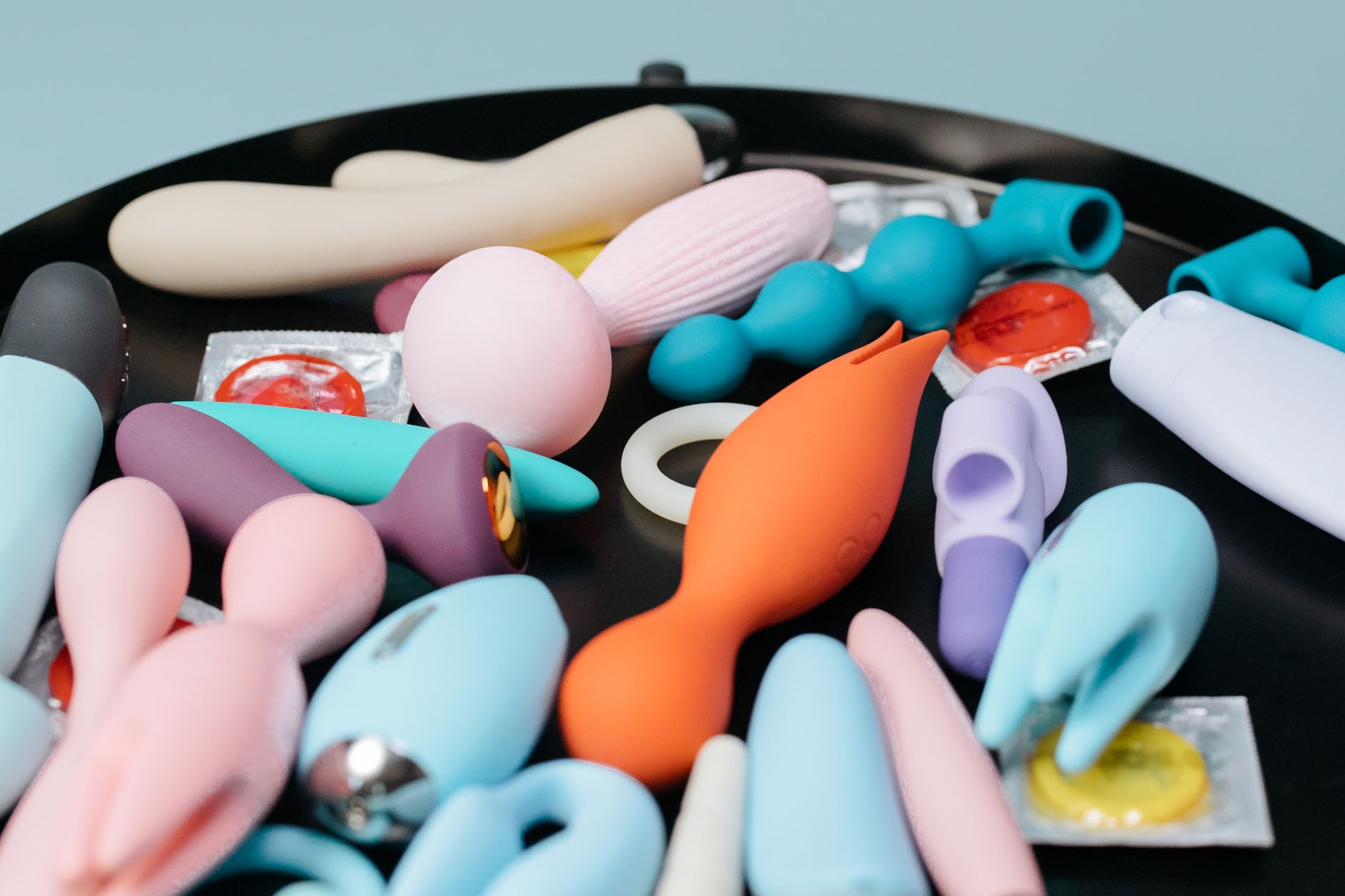
Lemon adult toys are genuinely useful here because they let both people move at their own pace without resentment sneaking in.
The mismatched arousal timeline problem
Let's call them Partner A and Partner B. Partner A gets physically aroused faster but tends to plateau without focused attention. Partner B needs longer to warm up but then sustains intensity easily. This is one of the most common timing mismatches.
When this happens without a tool, one person ends up in a holding pattern. Partner A might get bored waiting. Partner B feels pressure to rush. One partner gives in to distraction. The whole thing derails.
Lemon vibrators solve this by giving Partner A something genuinely stimulating to focus on during the early phase, which actually helps them stay interested and engaged while Partner B builds arousal. It's not a substitute for foreplay. It's a way to make foreplay work for both people simultaneously.
Why sensation building together changes with lemon toys
The physical reason: air-suction technology provides consistent, rhythmic stimulation that doesn't require your partner to maintain a specific touch. Your partner can focus on their own arousal building, on kissing, on whatever helps them get there. Meanwhile, you're getting the sensation you need.
The relational reason matters more. When a partner watches you use a lemon clitoral vibrator, it removes the pressure dynamic entirely. You're not waiting for them. They're not performing for you. You're both actively engaged in your own pleasure, in the same moment, in the same bed.
That shared vulnerability often deepens connection in a way that synced manual touch doesn't.
The timing blueprint for mismatched arousal
Here's what actually works with lemon vibrators:
Phase 1. Independent warm-up (5-10 minutes). Partner B is still building arousal. Partner A starts using a lemon vibrator at patterns 1 or 2. This isn't the goal yet. It's just maintaining interest and sensation while you're both in the early phase. No performance, no rush.
Phase 2. Synchronized building (10-15 minutes). Both partners are now in active arousal. Partner A can stay with the vibrator or shift to partner touch. Partner B is more responsive now. The vibrator stays available but doesn't dominate the rhythm.
Phase 3. Intensity calibration (open-ended). This is where most couples run into trouble. One partner is at an eight, the other at a five. Instead of waiting or rushing, lemon clitoral vibrators let you both adjust simultaneously. Partner A might increase to pattern 3 or 4. Partner B might welcome direct partner touch now that they're fully aroused. The vibrator creates space for both of you to reach your own peak.
Communication strategies that actually land
Don't frame it as "you're too slow" or "you're rushing me." That's criticism dressed as logistics.
Instead: "I notice we warm up at different speeds. I'm thinking a vibrator helps me stay present during the phase where you're still building. What do you think?"
The key is repositioning the vibrator as a tool for connection, not compensation for your partner's arousal.
After you've used it together once, the conversation shifts. Ask: "What was that like for you?" Listen. Many partners find it unexpectedly hot to watch, or relieving not to perform, or both.
If your partner seems hesitant, be specific about what you want from them. "I'd love if you'd kiss my neck while I use this" or "Would you touch yourself while I do this?" Give them something active to do so they don't feel sidelined.
Intensity sequencing that works for slow-build couples
Most lemon vibrators have multiple settings. Here's how to use them strategically:
Patterns 1 and 2 are your warm-up lane. These are gentle enough to use while you're still connecting with your partner, while they're kissing you, while you're both talking. You're not chasing orgasm yet. You're building foundation.
Patterns 3 and 4 are your sustained arousal zone. Here's where Partner B probably catches up. You'll notice a shift in your partner's touch, their breathing, their focus. They're engaged now. This is where you can sustain for a while. This is also where many couples find their rhythm.
Patterns 5 and higher are the sprint. Save these for the final push. But honestly? Not every session needs to hit this. Some of the best sex with a partner involves long phases at moderate intensity, not racing to the climax.
The mistake most couples make is blasting pattern 5 from the start, which burns out both partners. Patience here actually creates better sensation.
The integration moments that matter
Lemon sexual toys work best when they're integrated into partner touch, not positioned as a replacement for it.
While you're using a vibrator at pattern 2, your partner touches you elsewhere. Your neck, your chest, inside your thigh. You're still skin-to-skin. You're still connected. The vibrator is just handling one job.
When your partner's arousal is building, stop the vibrator periodically. Feel each other. Make eye contact. This rhythm of vibrator-and-pause, touch-and-connection, keeps the whole experience relational rather than mechanical.
Some couples find that the person using the vibrator benefits from their partner being close, watching, maybe touching themselves. Others prefer their partner to be engaged elsewhere and just present. Check in on what your partner actually wants to do, not what you think they should do.
The mental game: removing shame from different timelines
Here's the harder part. If you've spent years feeling like your slow arousal is a problem, or your partner has made you feel that way, using a vibrator might initially feel like admitting defeat.
It's not. Different arousal timelines are completely normal. Adding a lemon vibrator is not a workaround for your partner being "bad in bed." It's a tool for two people with different bodies to both feel good at the same time.
Some partners initially feel insecure: "Does this mean I'm not enough?" The answer is no. It means you're both different, and you both deserve pleasure.
If your partner pushes back hard on the vibrator itself, that's a different conversation. That's about their relationship to sex toys, possibly their own insecurity, or beliefs they hold about what partnership "should" look like. That's worth exploring separately, potentially with a therapist.
Practical tweaks for specific scenarios
If one partner has a much longer refractory period. Partner A needs time to recover after orgasm. Partner B wants to keep going. A lemon vibrator lets Partner B continue while Partner A rests and reconnects. Then you can resume together.
If one partner gets overstimulated by direct touch after a while. The vibrator provides rhythmic pressure without the variability of a hand, which some people find less overstimulating. Partners can switch roles, or the vibrator can be the constant while manual touch varies.
If initiating sex feels like a negotiation. Lemon vibrators actually democratize initiation. Partner A doesn't have to pressure Partner B to move faster, and Partner B doesn't feel guilty for taking time. Both can be actively aroused independently, which often makes the whole experience feel more mutual.
When to add a vibrator and when to skip it
Not every sexual experience needs a tool. Some of your best moments will be skin-to-skin, no devices.
But when you notice resentment creeping in ("Why are you always ready so fast?" or "Why do I have to wait?"), when one person is checking out mentally while the other builds, when the timeline mismatch is becoming a point of tension, that's your signal.
A lemon clitoral vibrator often transforms that dynamic within one or two uses. Partners report feeling less resentful, more present, less like they're performing. That shift is worth paying attention to.
People also ask
Will using a vibrator with my partner make them feel inadequate?
Not if you frame it correctly. The vibrator isn't replacing them. It's allowing both of you to feel good simultaneously instead of one person managing the other's pleasure. Many partners find it liberating to not have to "perform" arousal on a timeline. Talk about it as a tool for mutual pleasure, not compensation.
How do I bring this up without making my partner defensive?
Lead with your own experience, not their shortcoming. "I'd love to explore using a vibrator together because I think it could help me stay present" lands differently than "You take too long to get me aroused." Make it collaborative, not critical.
What if my partner refuses to use any toy?
Respect that boundary. But also explore why. Is it discomfort with vibrators generally? Belief that toys aren't "real" sex? Insecurity? The reason matters because it determines what conversation you actually need to have. Sometimes that's a practical conversation. Sometimes it's deeper.
Can we use a lemon vibrator if my partner is anxious about performance?
Actually, yes. Performance anxiety often comes from trying to meet a partner's needs on a tight timeline. A vibrator removes that pressure. Your partner doesn't have to "make" you aroused fast. They can focus on their own pleasure and connection instead. This often reduces performance anxiety significantly.
Does using a vibrator mean we need to use one every time?
No. This tool is available when you want it, not required every time. Some couples use vibrators frequently. Others use them occasionally when they notice the timing mismatch is particularly pronounced. There's no standard.
What if we try it and it feels awkward?
It probably will feel a little awkward the first time. That's normal. Any new practice takes a few attempts to feel natural. Try it twice before deciding. By the third time, most couples report it feels integrated and easy.
The bigger picture
Mismatched arousal timelines are one of the most common (and least discussed) reasons couples feel disconnected during sex. One person is frustrated waiting. The other feels rushed. Both feel lonely.
Lemon vibrators don't fix relationship problems. But they do solve a specific mechanical challenge that often gets tangled up with emotional resentment.
When both partners can feel good at the same time, without one person sacrificing their pace, something shifts. It's not just better sex. It's better connection.