Let's talk about what actually happened
Your antidepressants flattened your ability to feel pleasure. That's not a side effect. That's the mechanism. SSRIs and SNRIs numb sensation across the board, which is why they work for depression (less feeling, less suffering) but also why sex felt like moving through water with the sound turned off. You may have stopped trying altogether. That's a rational response to a brain that isn't giving you feedback.
Now you're either tapering off or switching medications, and something strange is happening. You're starting to feel things again. Textures matter. A hand on your skin registers differently. Your partner's touch lands. And suddenly you're wondering: Can I actually have pleasure again? What does that even look like now? Do I need to start from zero?
The answer is more nuanced. Your body didn't forget how to respond. But your relationship with pleasure may need to be rebuilt with some patience and the right tools.
Why sensation returns unevenly
When you come off an antidepressant or switch to one with a lower libido footprint, sensation doesn't flip back like a light switch. It's more like a gradual volume increase on a stereo that's been muted for months.
Your clitoris is still there. The nerve endings didn't go anywhere. But your brain's ability to process and integrate that signal had been suppressed. As the medication leaves your system, two things happen simultaneously. Your dopamine and serotonin rebalance, which means reward circuits wake up again. And your nervous system has to relearn what stimulation feels like without that pharmaceutical filter.
Some people report that everything feels heightened at first. Overstimulation is real. Others find that sensation builds more slowly than they remember, which can feel defeating until you realize you're just recalibrating. Most people experience both of these things, sometimes in the same session.
The nervous system reset you need
Your nervous system got used to feeling muted. Even as sensation returns chemically, your brain's threat detection is still set to "everything feels numb, so relax." This is why jumping into intense stimulation often backfires. Your nervous system doesn't trust it yet.
Start with lower-intensity vibration. This sounds obvious, but I'm talking about genuinely low. Lemon Toys' clitoral vibrators come with multiple intensity settings, and if you're rebuilding sensation, you want to start at pattern 1 or 2, not pattern 5. Low intensity tells your nervous system that this stimulation is manageable. It also gives your brain time to register sensation without overwhelm.
Spend 10-15 minutes at low intensity before you consider increasing it. This is not foreplay. This is retraining your nervous system to receive pleasure. Some days you'll stay at low intensity for the whole session. That's not failure. That's exactly what you're aiming for.
External-only stimulation while you're rebuilding
Right now, internal sensation may still feel muted or unpredictable. It's not because your internal anatomy changed. It's because the fastest nerve pathways to recovery are external ones. Your clitoris has thousands of nerve endings concentrated in a small area. Your vagina has far fewer in a larger space.
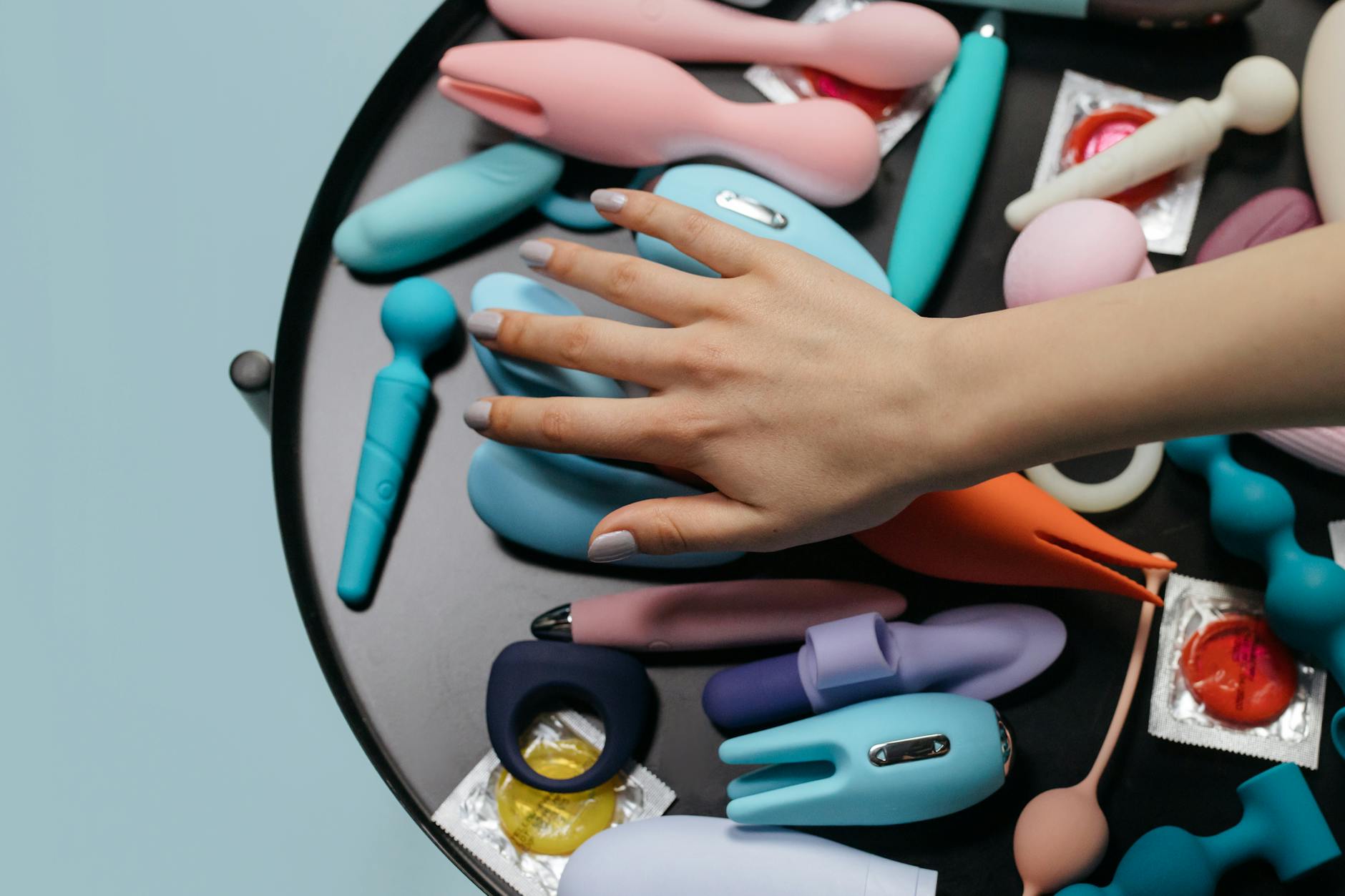
This is why external clitoral vibrators like the Lem make so much sense during this phase. You're putting stimulation exactly where your nervous system will feel it most clearly. This isn't a forever decision. Many people go back to internal stimulation later. But right now, external stimulation gives you the clearest feedback signal about whether sensation is actually returning.
Building a realistic timeline
Medicines clear your system at different rates. SSRIs take 4-6 weeks to fully exit your body. SNRIs take about 3 weeks. But neurochemistry doesn't follow a calendar. Some people feel a return of sensation within days of tapering. Others take 8-12 weeks for everything to feel normal again.
There's no predictable path, which is maddening when you want to just get your sexuality back. But here's what I know from clinical work with people navigating this: comparing your current sensation to how you felt before medication will make you miserable. Instead, compare each week to the week before. Did sensation increase? Stay the same? Decrease and then climb back? That trend line is more informative than any absolute measure.
How to use lemon clitoral vibrators during early recovery
Four specific things help:
1. Time of day matters. Your nervous system has a rhythm. Most people have slightly higher baseline arousal in the evening. If you're rebuilding sensation, afternoon sessions usually feel better than early morning. (This is called circadian variation, and it's real.)
2. Warm up first, without the vibrator. Ten minutes of manual stimulation or partner touch before you introduce the vibrator prepares your nervous system. You're saying, "Okay, we're doing this. Get ready to feel." By the time you add the vibrator, your brain isn't startled by sensation.
3. Low intensity, long duration. Fifteen to twenty minutes at pattern 1-2 is more useful than 5 minutes at pattern 7. Your nervous system needs time to integrate the signal.
4. Stop before you think you're done. If you're used to antidepressants dampening everything, you may push for 45 minutes waiting to "feel something," then burn out without getting there. It's better to stop at 20 minutes, wait a few hours, and try again later. Multiple shorter sessions reset your expectations.
When a partner is involved
If you have a partner, they need to understand that this isn't about them. Your body numbing wasn't because they stopped being attractive. Your body returning to sensation isn't because you suddenly want them more (though you might). This is neurochemistry rebalancing.
Many partners feel guilty during the medication phase. They can feel it as rejection, even though it's chemistry. When sensation starts returning, some partners want to celebrate by jumping into intense activity. Resist this gently. You're rebuilding your own ability to feel pleasure first. Partner involvement comes after you've got a baseline.
If your partner wants to participate, here's what helps: they can provide that 10-minute warm-up touch. They can be present while you use your vibrator, which some people find grounding. They can follow your lead on intensity instead of making assumptions. The goal right now is your nervous system recovery, not partnered sex.
When to check in with your doctor
If three months after stopping or switching your antidepressant you still have zero sensation returning, that's worth mentioning to your prescriber. Sometimes a different medication class works better for sexual function. Sometimes the dose needs adjustment. Sometimes your depression treatment and your sexual health can both be optimized with the right support.
If sensation returns but feels painful or numb in specific areas, that's also worth flagging. Occasionally medication effects leave behind sensitivity patterns that respond to different approaches.
Your sexuality is part of your health. It gets to be discussed with your doctor just like side effects do.
The mindset piece nobody talks about
You spent months or years in a body that didn't feel pleasure. You may have grieved that. You may have made peace with numbness. Now you're being asked to risk feeling again, and that can be genuinely scary.
Some people find that sensation returning feels intrusive at first. Others feel impatient, like sensation should snap back the way it vanished. Neither of these responses means something is wrong. You're essentially asking your brain and body to trust stimulation again after a long period of unavailability.
This is why starting with low intensity and external stimulation isn't just mechanical. It's also psychological. You're proving to yourself that sensation can return gently. You're building evidence that pleasure doesn't require intensity or speed. And you're learning, maybe for the first time, what slow reconstruction of pleasure actually feels like.
FAQ: Sensation and recovery
Can I use lemon clitoral vibrators if I'm still on antidepressants?
Yes. Even while medicated, vibrators can help you maintain connection to your body and explore what sensation feels available to you right now. Lower-intensity vibration may feel more noticeable than manual stimulation, which can be validating. Some people find that having a tool designed for pleasure helps them prioritize it, even if the sensation is muted.
Why does sensation come back unevenly?
Your nervous system doesn't reset uniformly. Some nerve pathways are more sensitive to medication effects than others. Your clitoris typically returns sensation faster than internal structures because it has higher nerve density. Your brain's pleasure-reward circuitry may lag behind the physical sensation. All of this is normal and doesn't predict your long-term recovery.
How do I know if my vibrator settings are too intense?
You'll feel overwhelmed, numb out, or have an urge to stop mid-session. You might also feel frustrated that nothing "is working," when actually the stimulation is faster than your recovering nervous system can process. If you consistently use settings that feel too strong, your nervous system may reset to defensive mode. Lower is genuinely better while you're rebuilding.
Can I damage my sensation by using vibrators during recovery?
No. Clitoral vibration doesn't harm nerve endings. It may temporarily desensitize the specific area if you use very high intensity for very long durations, but that's reversible and takes significant overstimulation to occur. Using vibrators thoughtfully during recovery actually helps you rebuild sensation faster than no stimulation at all.
Is it normal to feel emotional when sensation returns?
Completely normal. You may feel grief about the time you lost to numbness. You may feel relief or even joy. Some people cry. Some laugh. Your body has been offline, and coming back online is real. Let that emotional response move through you without judgment. It doesn't mean something is wrong.
What if my partner thinks I'm using a vibrator instead of wanting them?
This is about communication. Help them understand that your recovery isn't about them. Using a lemon clitoral vibrator while medicating is like doing physical therapy after an injury. It's not a reflection on your relationship. Many couples find that rebuilding sensation individually actually strengthens intimacy later, because both partners understand that pleasure is a personal-then-partnered process, not a destination you arrive at together instantly.
What comes next
Your antidepressant got you through a season when your brain needed protection. Now you're moving into a season where your body gets to feel again. That's not a return to baseline. That's an opportunity to learn what pleasure actually means to you without the medication filter. Some people find that post-recovery pleasure is slower, steadier, less dramatic than they remember. Others find it's deeper. Most people experience both, depending on the day.
Start low, go slow, give your nervous system time, and let sensation rebuild at its own pace. Your body will find its way back. And when it does, you'll know because you'll feel it.
If you need to talk through what's happening with your pleasure or your recovery, reach out to Lemon Toys. We're here to help you navigate this season.