Let's talk about the gap between orgasms
Here's what nobody explains clearly: multiple orgasms aren't about having orgasm after orgasm in rapid fire. They're about understanding the recovery window your body needs between peaks. The clitoris has a refractory period, which is the time after orgasm when stimulation feels either numb or genuinely uncomfortable. That window is different for everyone, and it changes depending on your cycle, stress level, and what you're using.
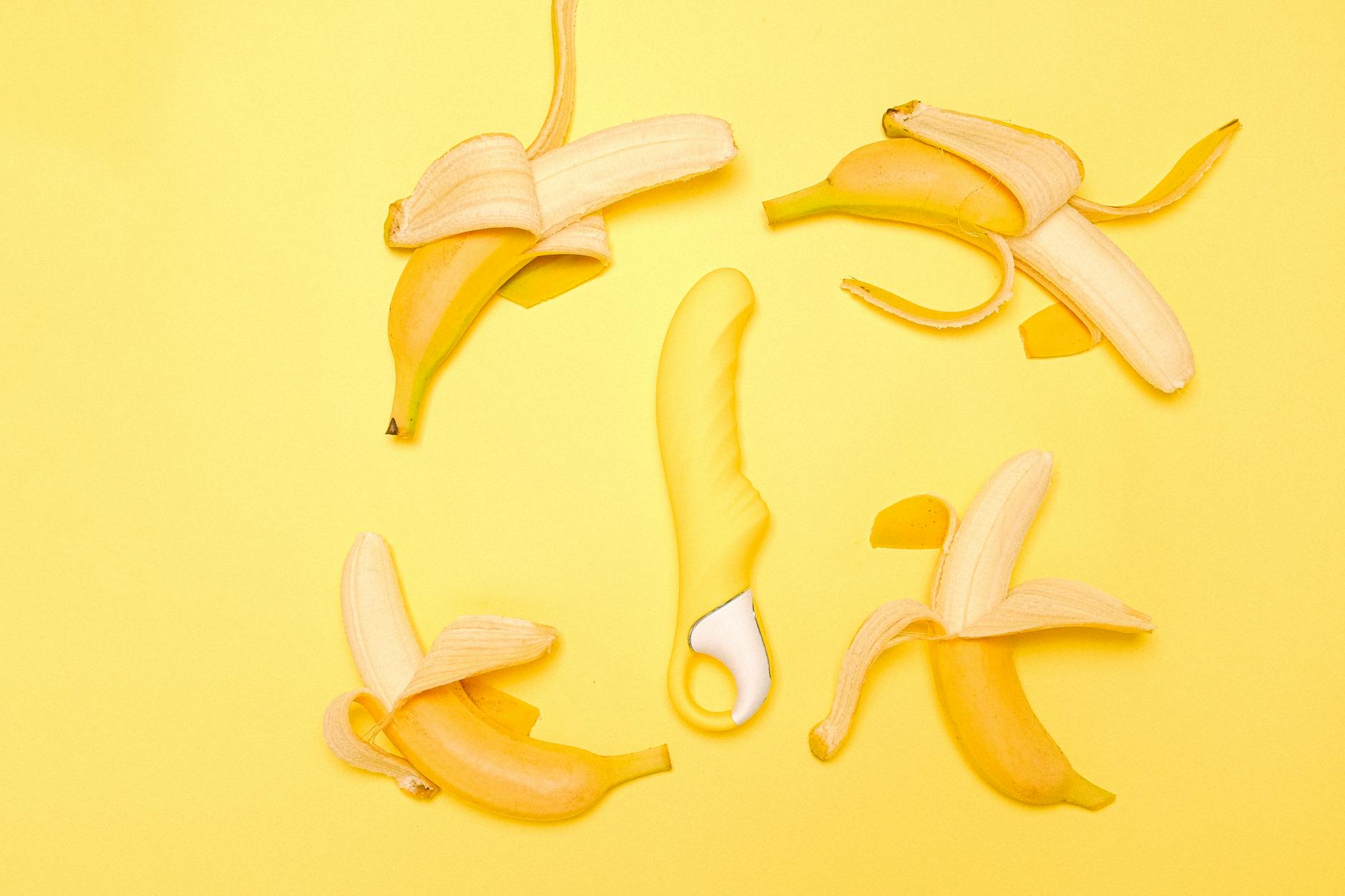
Lemon vibrators, especially models like the Lem with their unique suction-pulse design, can actually shorten that refractory window if you know how to use them strategically. But pushing through discomfort or overstimulating during the recovery phase is a fast way to end your session feeling numb instead of satisfied.
How the refractory period actually works
After orgasm, the clitoris becomes hypersensitive. Direct touch feels sharp or even painful. For some people, that window lasts 30 seconds. For others, it's 5-10 minutes. Your age, hormones, and whether you're alone or with a partner all shift this timing.
The key insight: sensitivity doesn't mean readiness. Just because sensation is returning doesn't mean another orgasm is imminent. That gap between "ouch, too much" and "yes, I'm ready again" is where most people get frustrated with multiple orgasms. They either jump back in too soon and trigger that sharp discomfort, or they wait so long that arousal dips entirely.
Lemon clitoral vibrators work differently than traditional vibrators. The suction-pulse action stimulates the clitoral complex rather than just the surface, which means the refractory window can actually feel shorter because you're not irritating already-sensitive tissue.
Reading your body's signals during recovery
Between the first and second orgasm, there are three distinct phases.
Phase one: the shutdown (0-90 seconds). The clitoris is swollen and hypersensitive. Any direct touch feels like too much. This is when you pause, breathe, and let your heartbeat settle. If you're using a lemon vibrator, turn it off completely. Your nervous system needs a break.
Phase two: the transition (90 seconds to 3 minutes). Sensation starts returning, but it's still tender. If you're going for a second orgasm, this is when you can start very gently. Lower settings on a clitoral vibrator are essential here. A setting of 1 or 2 on the Lem, held slightly away from the clitoris rather than directly on it, can actually feel amazing during this phase instead of painful.
Phase three: the window (3-10 minutes). This is when another orgasm becomes genuinely possible and often intense. Your arousal is rebuilding, and the hypersensitivity has faded enough that stimulation feels good again. Some people can have three or four orgasms in succession if they stay in this phase. Others find that after the second one, they want to stop and just enjoy the afterglow.
Why pattern and intensity matter more than speed
One of the biggest mistakes I see is treating multiple orgasms like a sprint. People crank the vibrator to the highest setting after the first orgasm, hoping to trigger the second one faster. It backfires. Intensity during recovery phase = numbness and frustration.
Lemon vibrators, especially the Lem model, have different pattern options. During the recovery window, switching to a pattern rather than staying on a constant pulse can actually help. A pattern creates rhythm and gives the nerve endings micro-breaks, which feels less overwhelming than constant stimulation at the same level.
Here's the practical sequence: After your first orgasm, pause completely for 90 seconds. Then, starting on setting 1 or 2 with a pulsing pattern, hold the vibrator about half an inch away from the clitoris (not touching directly) and experiment. Some people find that indirect stimulation on the clitoral hood or the sides of the clitoris feels incredible during this phase. Others want to move to a different area entirely for 2-3 minutes before coming back to the clitoris.
The second orgasm often feels different from the first. It might be sharper, longer, or more diffused through the body. That's normal. You're not failing if it doesn't match the first one.
Building stamina without burnout
If you're interested in extended multiple-orgasm sessions, the temptation is to keep going until you can't. That's actually counterproductive. Your clitoris has a fatigue threshold. After 4-6 orgasms, numbness often sets in permanently for that session, and you'll need 12-24 hours before everything feels responsive again.
Instead, think about pacing. One realistic goal: three quality orgasms in a 20-30 minute session, with intentional breaks between them. This keeps sensation sharp and prevents that numb, oversaturated feeling.
Lemon toys like the Lem are designed for this kind of pacing. The suction action is less likely to cause the friction-based numbness that traditional vibrators do. That means you can have longer sessions without losing sensation partway through.
Alternating stimulation types also helps. After a lemon clitoral vibrator, switch to manual touch, a partner, or even just breathing and visualization for a few minutes. Then return to the vibrator for the next phase. Your nervous system stays engaged rather than habituating to the same input.
Using lemon vibrators solo versus with a partner
Timing feels completely different depending on whether you're alone or with someone else.
Solo sessions give you full control over pacing. You can honor your body's recovery window without any pressure to "keep up" or perform. The challenge is boredom. If you're going for multiple orgasms, solo play requires mental engagement. That means fantasy, reading erotica, or watching something that keeps you aroused during the recovery phases.
With a partner, the presence and attention itself keeps arousal elevated during recovery. Your partner can touch you in other ways, provide intimacy, or simply watch and participate in the pacing. This often means you can move through recovery phases faster because your parasympathetic nervous system is calmer.
If your partner is using a lemon clitoral vibrator on you, communication is crucial. They need to understand that faster or higher intensity doesn't equal better. Respecting the recovery window and your body's signals transforms the experience for both of you.
When multiple orgasms aren't the goal (and that's totally fine)
Not every session is a multiple-orgasm quest. Sometimes one really good orgasm, with full attention and no rush, is exactly what you need. The pressure to have multiples can actually kill arousal, which is counterproductive.
If you're exploring lemon vibrators for the first time, focus on understanding your own refractory window before trying to stack orgasms. Spend 3-4 solo sessions noticing when you feel hypersensitive, when sensation returns, and what feels good at each phase. That self-knowledge makes every session better, whether you're going for one orgasm or five.
Read more about building intimate connection with toys in our guide on using lemon vibrators when you want deeper connection with your partner.
FAQ: Multiple Orgasms and Lemon Vibrators
How do I know if my refractory period is normal?
There's no "normal." Refractory windows range from 30 seconds to 20 minutes depending on your body, hormones, stress, and age. The only way to know yours is to pay attention across several sessions. If it's consistently long (10+ minutes) and you want to shorten it, that's worth discussing with a healthcare provider, as hormones and blood pressure can play a role. Most importantly, your refractory window is not a flaw. It's your body's signal.
Can I use the same lemon vibrator for multiple orgasms or should I switch toys?
You can use the same toy, but switching often feels better during recovery phases. After your first orgasm, pausing with the vibrator off for 90 seconds, then switching to manual stimulation or a different sensation for 2-3 minutes, then returning to the lemon vibrator for the second phase, keeps your nervous system engaged and prevents numbness. If you only have one toy, that's fine, too. Just focus on pacing and lower settings during recovery windows.
Why do multiple orgasms sometimes feel less intense than the first one?
That's completely normal. The first orgasm usually has the most buildup and anticipation behind it. Subsequent orgasms are often shorter, more localized, or feel different in texture. Some people describe the second orgasm as sharper, the third as more diffused. None of these are wrong. Different doesn't mean worse. If intensity is dropping dramatically (like the third orgasm is barely noticeable), you've likely hit your numbness threshold for that session, and it's time to stop.
Can I use a lemon clitoral vibrator continuously or do I need to turn it off between orgasms?
You should turn it off between orgasms, at least for the first 90 seconds to 2 minutes. Continuous stimulation through the hypersensitivity phase actually prolongs the discomfort and can numb you faster. Pausing, letting your nervous system reset, and then restarting with a lower setting or pattern during the recovery window creates much more sustainable pleasure.
Is it possible to have orgasms that are too close together?
Yes. If orgasms are fewer than 60-90 seconds apart, you're usually still in hypersensitivity, which means you're either pushing through discomfort or creating friction-based numbness. The quality suffers. Most people find that orgasms spaced 3-8 minutes apart feel better and last longer. Quality over quantity always wins with pleasure.
What if I can't seem to have multiple orgasms even with the right timing?
Multiple orgasms aren't universal or required for good sex. Some bodies are wired for one really satisfying orgasm and that's it. Others can chain them together. Neither is better. If you're curious about exploring multiples, using lemon vibrators with intentional pacing during recovery windows can help. But if you find that you're more satisfied with one orgasm followed by other forms of pleasure, that's your body telling you what it needs. Listen to that.
The bigger picture
Multiple orgasms are fun when they happen naturally, but they're not the measure of good sex. Understanding your refractory window and respecting it transforms every session, whether you're chasing multiples or not. Lemon vibrators work well for extended sessions because the design is less likely to cause friction-based numbness, but the real tool here is knowledge. Know your body's recovery pattern. Honor it. Adjust your settings and pacing accordingly. Everything else flows from there.
Have questions about exploring pleasure or finding tools that work for your body? Reach out to us at /contact. We're here to help.