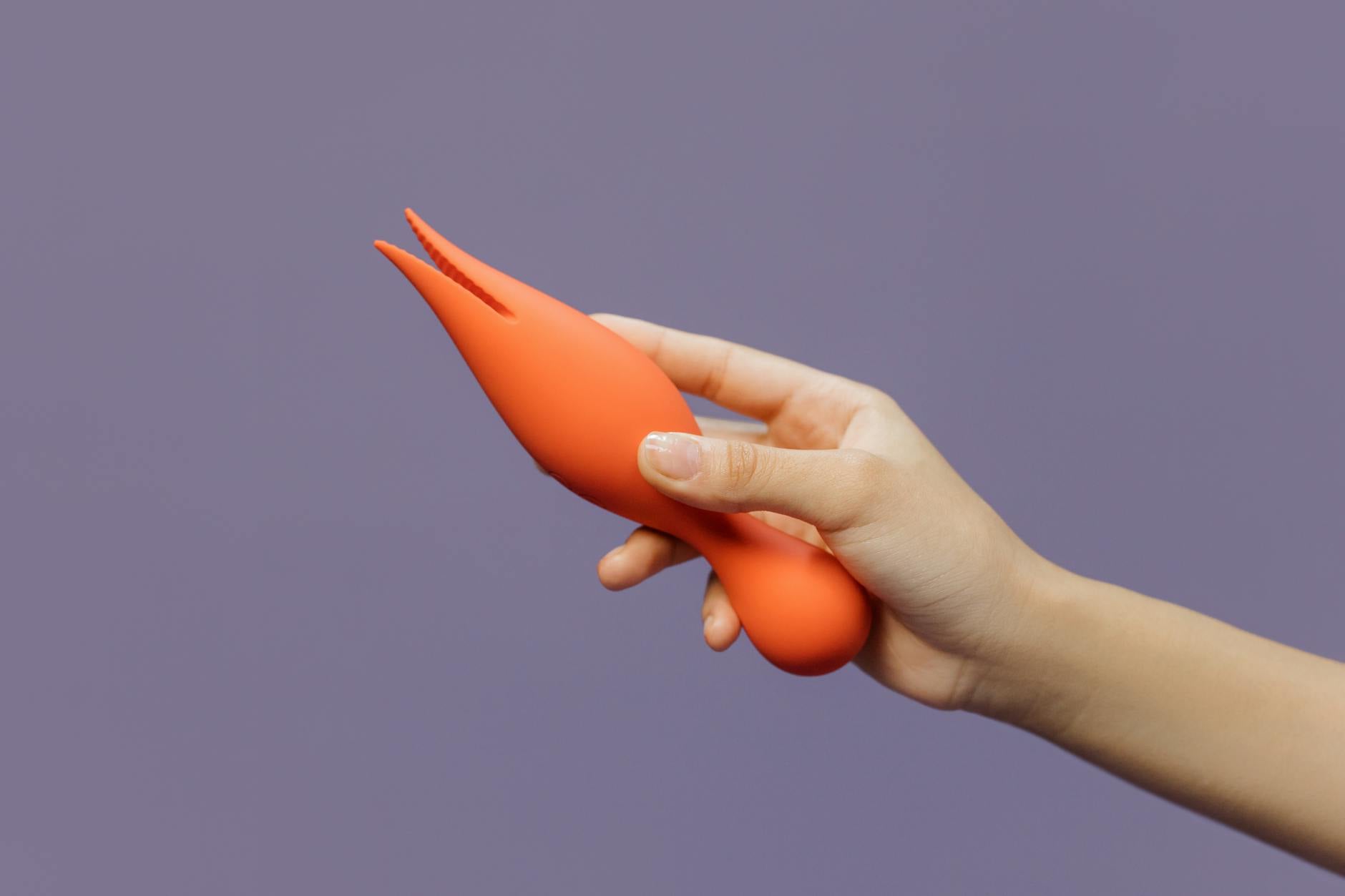
The Transition Nobody Talks About
Let's be real. After weeks or months of partnered sex, your body gets used to someone else's rhythm, pressure, and timing. Then you're suddenly alone again. You pull out your Lemon vibrator, and it feels... off. Not broken. Not bad. Just different than it used to.
This is not you losing sensitivity. This is your nervous system adjusting. Your brain has been in "receiving" mode. Solo play asks something different of you. It asks you to be both the giver and the receiver, the controller and the sensation seeker, the one setting the pace and the one surrendering to it.
Why Solo Play Feels Like Learning it Again
Three neurological reasons your body isn't responding the same way.
First, partnered sex triggers a cascade of hormones. Your partner's touch, their presence, the unpredictability of what they'll do next. Your nervous system is primed in a way that doesn't happen alone. When you return to solo play, you're missing that external stimulus. Your brain has to work harder to stay focused.
Second, rhythm matters more when you're in control. With a partner, some of the cognitive load gets distributed. They're setting tempo, you're responding. In solo play, you have to manage everything simultaneously. Pattern intensity, speed transitions, breathing, mental focus. That's a lot of variables.
Third, your body has learned a new reference point for what "good" feels like. If your partner's touch was gentler or firmer or faster than your solo baseline, your nervous system now expects that. Recalibrating takes time and intentionality.
Starting Over With Your Body
Here's what I recommend to clients who are transitioning back to solo pleasure.
Step 1: Lower the expectations for the first week. You're not aiming for orgasm. You're aiming for reconnection. Notice what your body feels like. Where's the sensation strongest? Does your clitoris feel more sensitive on the left or right? Can you feel the difference between pattern 1 and pattern 2 on your Lemon vibrator, or does it all feel the same right now?
This is baseline data collection, not performance.
Step 2: Extend your warm-up time significantly. When you were with a partner, foreplay happened collaboratively. Someone else was touching you, kissing you, building arousal. Now you have to do that work. Budget 20-30 minutes. Spend the first 10 minutes just touching your body without any vibration. Notice where you want touch. What rhythm feels good.
Step 3: Start with lower intensity. If you were used to your partner's firm touch, your Lemon clitoral vibrator on pattern 3 might feel underwhelming. Resist the urge to jump to higher patterns immediately. Begin on pattern 1 or 2. Let your nervous system remember what gentle sensation feels like when you're the one directing it.
Step 4: Use your breath as an anchor. This one matters. When you're with a partner, you're tracking their energy. With a vibrator, you need an internal anchor point. Slow, deep breathing keeps your nervous system from racing ahead. Breathe in for four counts, out for six. This tells your body that you're safe and can focus on pleasure.
Rebuilding Mental Focus
Physical sensation is half the equation. The other half is attention.
If your mind keeps drifting to your partner, to what you did together, to whether you're "doing it right" solo, that scattered attention will tank your pleasure. You can't orgasm well when part of your brain is checking the time or critiquing your technique.
Try this. Before you touch yourself, set a timer for 30 minutes. Tell yourself that for this half hour, your only job is to pay attention to sensation. Not to finish. Not to achieve anything. Just to notice.
When your brain wanders to your partner or to performance anxiety, bring it back to the physical feeling. What does your clitoris feel like right now? Warm? Responsive? Numb? This act of redirecting attention is like doing a bicep curl for your focus muscle.
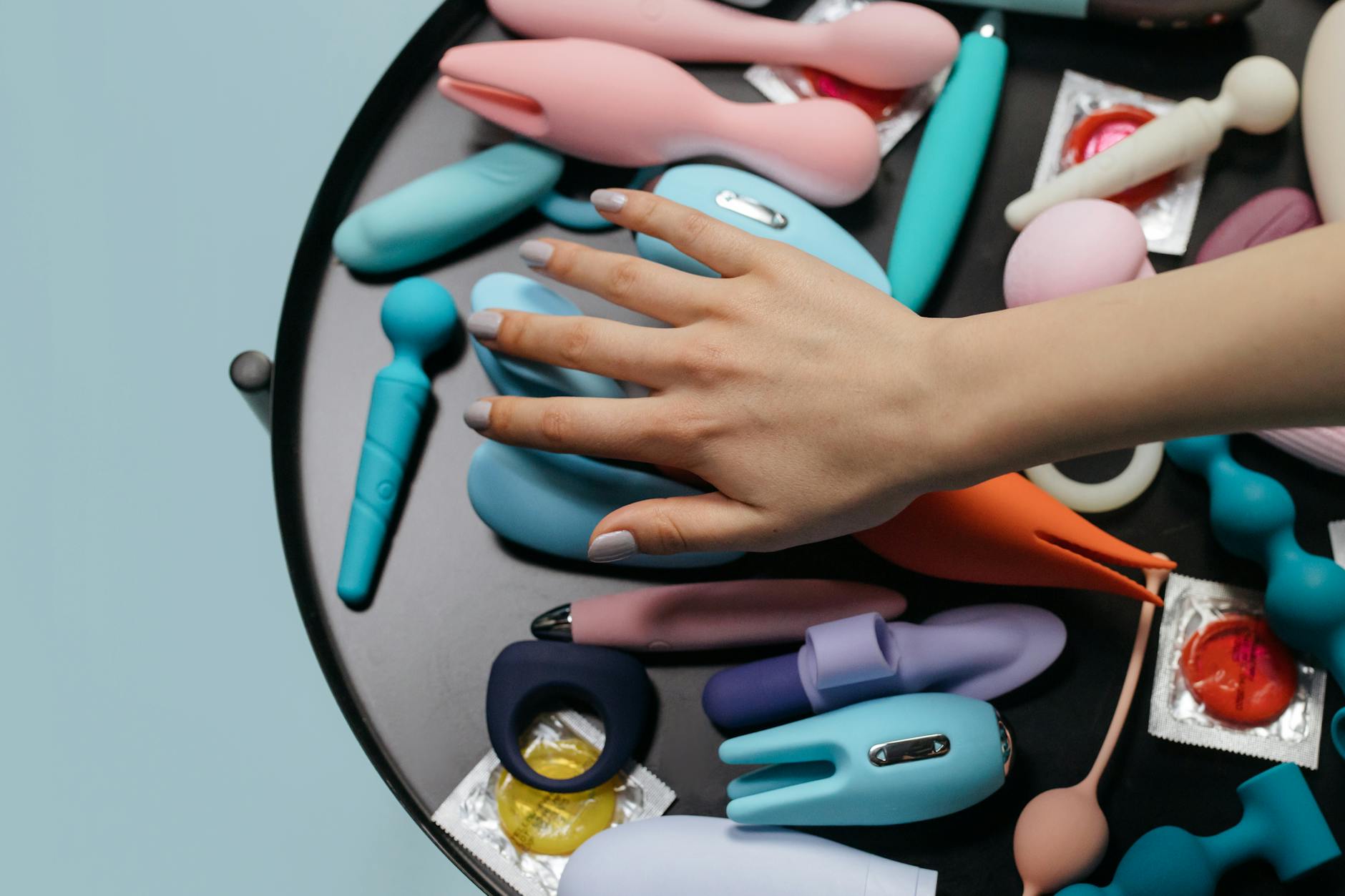
Photo by cottonbro studio on Pexels
How Lemon Vibrators Specifically Help With Transitions
The design matters here. Lemon vibrators are built for precision clitoral stimulation. They're not designed to be vaginal penetrators or broad-spectrum toys.
When you're transitioning back to solo play, that specificity is an asset. You can feel exactly where the sensation is happening. The suction-style stimulation on a Lemon vibrator engages your clitoris without the broad, diffused feeling of a traditional vibrator. This makes it easier to maintain focus. You know where the sensation is. Your body responds to that clarity.
Start with your lemon vibrator on the lowest setting. Position it so you feel the suction directly on your clitoris. Don't move it. Let it sit for 30 seconds. Notice what happens. Does sensation build? Does your clitoris respond? Then increase the pattern to level 2. Again, hold it still for 30 seconds.
This is different from partnered sex, where movement and pressure changes are constant. Solo sensation often works better when you're still, letting the vibration do the work, and your nervous system can track what's happening.
Managing the Emotional Piece
This transition isn't purely mechanical. There's often an emotional component.
If you were in a relationship and now you're not, there might be grief mixed in with the physical adjustment. If you were with a partner and now you're choosing solo time for yourself, there might be guilt or confusion about whether this is "normal."
It is. Solo pleasure isn't a downgrade from partnered sex. It's a different experience, with its own texture and rewards. In solo play, you get to explore without accommodation. You don't have to consider someone else's preferences, pace, or comfort. You're not performing. You're not negotiating. You're not thinking about whether they're enjoying it.
That freedom takes practice to trust. Your body has been trained, through months or years of partnership, to calibrate around someone else. Reclaiming your solo pleasure is partly a physical recalibration and partly a permission slip you're writing to yourself.
If you're grieving, use solo play time to honor that. Pleasure and grief can coexist. You're allowed to feel both.
The Timeline to Expect
Most people report that it takes 2-3 weeks of consistent solo play to feel "normal" again. Some take longer. Some bounce back faster.
Week 1 is usually disorienting. Your body hasn't calibrated. Week 2, you'll start to notice what you actually like again, separate from what your partner liked. Week 3, pleasure usually starts to feel straightforward again.
If you're not feeling reconnected by week 4, it might be worth examining whether something else is going on. Are you still thinking about your partner constantly? Is there grief you haven't processed? Are you experiencing depression or anxiety that's dampening your arousal? Those are questions to sit with, maybe with a therapist or counselor who specializes in relationships and sexuality.
Practical Tips for the Transition
Keep your Lemon vibrator in a place where you see it regularly but it's still private. Visibility helps. It reminds you that solo pleasure is part of your life, not something to hide or feel weird about.
Consider journaling after solo play sessions. Not to analyze or critique yourself, but to notice patterns. What pattern felt best? What time of day? What kind of mental state were you in? This data becomes your roadmap back to your own pleasure.
If you were using condoms or dental dams with a partner, remember to clean your vibrator between uses. If you're transitioning from partnered sex to solo play, hygiene is the same. Your Lemon vibrator is silicone. Use a toy cleaner or warm water with mild soap.
Don't compare your solo pleasure now to what it was before your last partnered experience. Your body changes. Your nervous system learns. Your preferences shift. That's not loss. That's growth.
When to Expect Orgasms to Return
If you're worried that you've lost the ability to orgasm solo, you haven't. Your body knows how. But the pathway might have shifted slightly.
During partnered sex, orgasm often builds through a combination of external stimulation and internal focus on connection. Solo, it's more reliant on your physical attention and mental focus. Once you rebuild that focus and your body recalibrates to solo rhythm, orgasms usually come back fully.
If you're not experiencing orgasms after 4-5 weeks of consistent solo play, and your mental health feels stable, it's worth checking whether there's a physical component. Hormonal birth control, antidepressants, antihistamines, and blood pressure medications can all affect arousal and orgasm. <a href="/contact">Reach out to us or a healthcare provider</a> if something feels off.
FAQ
Why does my Lemon vibrator feel less intense now than it did before I was partnered?
Your nervous system has been recalibrated by partnered touch. Your clitoris hasn't lost sensitivity. You've lost the contextual arousal that a partner's presence creates. This is temporary. As you rebuild your solo pleasure practice, your body will recalibrate to solo sensation. The vibrator hasn't changed. Your nervous system has.
Is it normal to feel bored with solo play after extended partnered sex?
Completely normal. Solo play works differently neurologically. It requires more active mental focus and self-direction. Boredom often signals that you're trying too hard or expecting the same experience as partnered sex. Return to the basics. Start with longer warm-ups, lower intensity, and the goal of reconnection rather than orgasm.
How long until solo play feels good again?
Most people report feeling reconnected within 2-4 weeks of consistent solo play. Some take longer, especially if there's emotional processing happening alongside the physical transition. There's no timeline you "should" hit. Your body will tell you when it's ready.
Can I use my Lemon clitoral vibrator with a partner again after this?
Absolutely. Lemon vibrators work beautifully in partnered contexts. You can use it during foreplay, during penetrative sex if that applies, or as external stimulation during partnered pleasure. The transition isn't one-directional. Solo and partnered pleasures inform each other.
Should I be worried if I masturbate less after being partnered?
Not necessarily. Some people's solo play frequency shifts after partnership. That's normal. What matters is whether you're satisfied with your current pleasure life. If you miss solo play, create space for it. If you're happy with less, that's fine too. Pleasure isn't a quota.
What if I feel guilty about solo play after being with a partner?
Guilty how? Are you in a relationship and feeling conflicted about solo time? That's a conversation worth having with your partner. Solo play isn't a replacement or a rejection. It's a different expression of pleasure. <a href="/blog/how-lemon-vibrators-help-rebuild-intimacy-after-relationship-gaps">Rebuilding intimacy after transitions</a> often involves getting clear on what you each need individually.
Are you solo now and feeling weird about pleasuring yourself? That's worth examining too. You deserve solo pleasure. Full stop.
Transitioning back to solo play after partnered sex is a normal, temporary adjustment. Your body isn't broken. Your Lemon vibrator works the same way it always has. You're just recalibrating your nervous system to a different context. Give yourself permission to take time with this. Reconnect slowly. Let pleasure rebuild on your terms.
Want more guidance on rebuilding your solo pleasure practice? We're here to help. <a href="/contact">Get in touch with our team.</a>