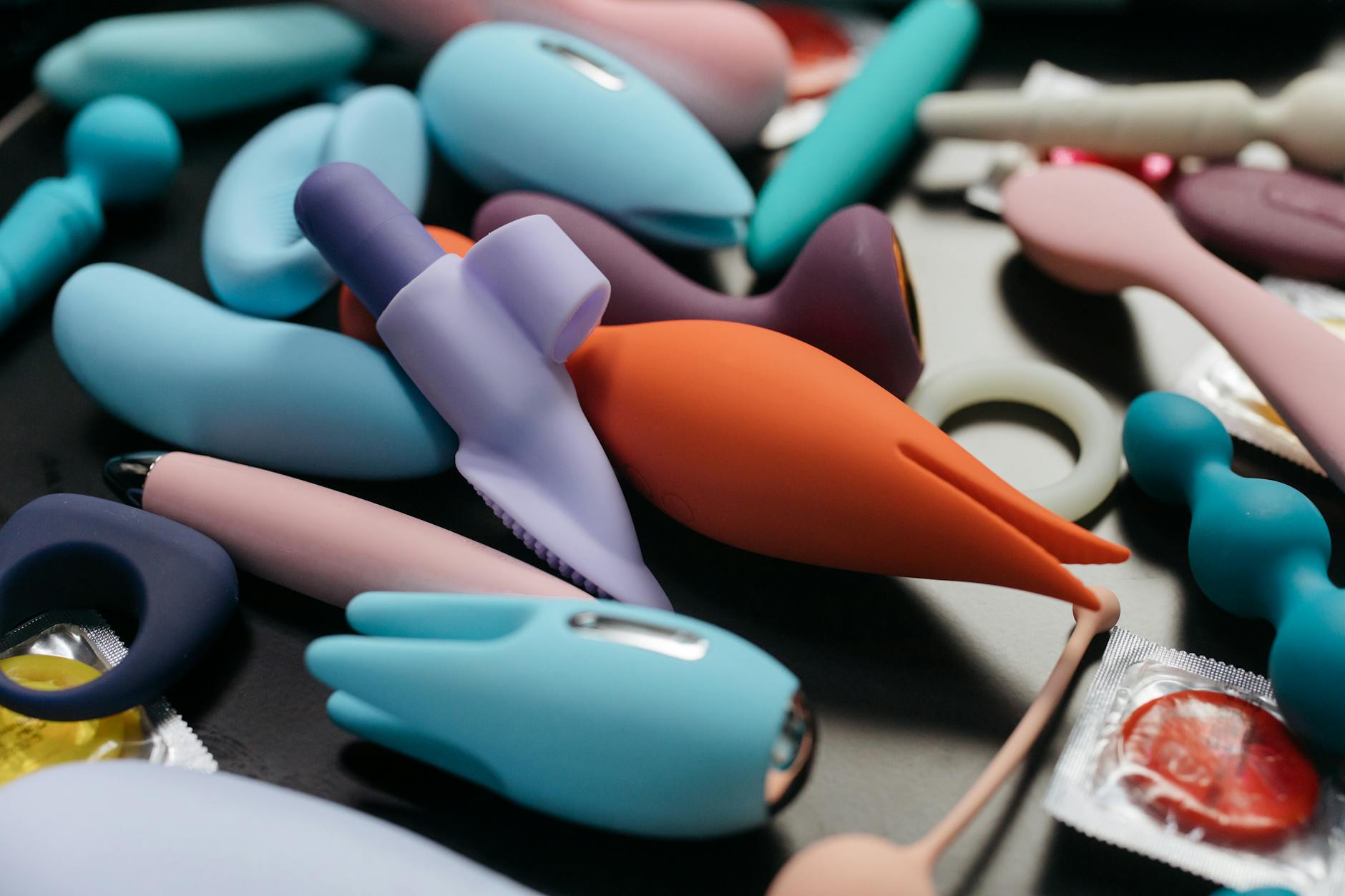
What happens when you step away for decades
Twenty years. Thirty years. Some of you might measure the gap in decades. When you finally decide to return to pleasure, your body isn't the same as it was when you left off. That's not failure. That's just time doing what time does.
Here's what's actually different. Your skin thins. Your tissues become more sensitive, which sounds good until you realize it also means less friction tolerance. Estrogen drops (whether you've had menopause officially or just lived long enough), which affects lubrication and how quickly arousal builds. Your pelvic floor has been holding tension for years, sometimes without you knowing it. The neural pathways that carry pleasure signals are still there, though. They're dormant, not dead.
Why lemon vibrators specifically help after a long gap
Lemon clitoral vibrators work with this reality instead of against it. Unlike traditional vibrators that rely on pure vibration intensity, lemon toys use suction and gentle pulsing that stimulate without requiring heavy pressure. For tissue that's become more delicate, that's the difference between pleasure and discomfort.
The suction method also means you're not retraining your body to respond to harsh buzz. You're introducing sensation gradually, with more complexity than a straight vibrator offers. It builds arousal differently, which matters because your body after 50 responds to complexity. You might find that what felt amazing at 30 feels one-note now.
Another reason lemon vibrators work: they're quiet. If you've spent decades either with a partner or in a situation where pleasure felt like something to hide, the low noise matters psychologically. You can actually relax.
The first time back: what to expect and how to prepare
Go slow enough that you feel ridiculous. This isn't about rushing to orgasm. It's about waking up nerve endings that have been asleep.
Start with a 15-minute session. Set aside time when you won't be interrupted or stressed about time. Your nervous system needs to believe you're safe before it will let pleasure happen. If you've spent decades prioritizing everyone else's needs, your body might not trust that this is actually for you.
Use water-based lubricant, even if you don't think you need it. Your tissue is drier than it used to be, and lube isn't a sign of failure. It's information. It tells you what's real about your body now.
Warm up without the toy first. Touch yourself gently for five to ten minutes. Pay attention to where sensation feels alive and where it feels numb. This is data. You're mapping your body again.
Starting with low intensity and building from there
If you pick up a lemon clitoral vibrator, start at the lowest pattern or intensity setting. Don't turn it up just because nothing's happening yet. Sensation builds slowly the first few times, especially if your pelvic floor is holding tension (which it probably is).
Run the toy along the outer edges of your clitoris first, not directly on it. Your nerve endings are concentrated there, but they're sensitive. Think of it like testing water temperature with your hand instead of diving in.
Once you feel warmth starting to build, you can move to more direct contact. Even then, keep the intensity where you'd describe it as "nice" not "intense." You're not trying to trigger a massive orgasm your first time back. You're trying to prove to your nervous system that pleasure is still available to you.
Rebuilding the pelvic floor while you return to pleasure
After years away, your pelvic floor probably grips during arousal instead of relaxing. That sounds protective, but it actually blocks sensation and makes orgasm harder to reach.
Before using a lemon vibrator, spend a few days just noticing your pelvic floor. When you cough, when you laugh, when you feel anxious, where is that tension? Most people over 50 are holding chronic tension there without realizing it.
Try this: when you're using your vibrator, practice exhaling deeply and imagining your pelvic floor softening. It's the opposite of what kegels teach you. You're learning to release, not clench.
If you notice sharp pain or intense discomfort when using any toy, stop. That's not pleasure building, that's your tissues saying no. A good menopause-trained GP can check whether you have GSM (genitourinary syndrome of menopause), which is treatable and common.
The emotional part nobody warns you about
You might feel awkward. You might feel guilty. You might feel like you're being selfish or unfaithful even if you're single. That's not random. Women over 50 have usually been trained for decades to prioritize everyone else. Pleasure for yourself can feel transgressive.
It helps to reframe what you're doing. You're not indulging. You're maintaining health. Sexual response keeps your pelvic floor mobile, maintains vaginal tissue elasticity, and improves cardiovascular health. It's health maintenance that happens to feel good.
If you're with a partner and you haven't had sex in years, this part gets complicated. Your partner might feel rejected or anxious about your return to sexuality. That's worth a conversation, but it's a separate conversation from you rebuilding your own pleasure. They're not the same project.
How to know if you need help from a professional
If after four or five sessions you're still feeling nothing, or if pleasure seems completely absent, talk to your GP. Sometimes medication affects sexual response. Sometimes hormones need adjustment. Sometimes there's a physical reason that a toy won't solve.
If you feel pain that doesn't improve with lube or slower pacing, that's also worth checking out. Your doctor can rule out infections, tissue damage, or hormone-related changes that might need treatment.
If you're having trouble with your pelvic floor, a pelvic floor physical therapist can help. They teach you how to release tension that's been there for years. It's not fast, but it works.
Building back to partnered pleasure, if that's what you want
If you have a partner and want to rebuild sexual connection, start with your solo work first. Learn what your body responds to now. That information makes everything easier when you're with someone else.
When you do introduce a partner back into the picture, a lemon clitoral vibrator can actually make that easier. You already know how to use it. You can show your partner what you need. There's no mystery, no performance pressure.
Some couples find that adding a toy removes pressure from partnered sex. You're not trying to achieve orgasm through penetration or whatever used to work. You both know what's actually going to feel good.
What to expect as weeks pass
Sensation usually starts returning within the first two to three weeks of regular use. By "regular," I mean two or three times per week, not daily. Your nervous system needs rest days to process.
Orgasm might take longer to rebuild. That's normal. You're not broken. You're just recalibrating. Some people find their orgasms are different after a long gap. Sometimes deeper. Sometimes more localized. Sometimes less intense but somehow more satisfying.
If you notice that sensation is returning but pleasure still feels stuck, that's worth examining. Sometimes the block isn't physical. Sometimes it's about permission, safety, or identity. That's where talking to someone qualified in sex counseling helps.
The mindset shift that changes everything
You're not trying to get back to who you were at 30. That's not the goal and it won't work. You're getting to know who you are at 50, 55, 60, or beyond.
That version of you might have different preferences. Might need different pacing. Might find that clitoral vibrators work better than they ever did before because your body is finally asking for what it actually wants instead of what it's supposed to want.
That's not loss. That's information.
People also ask
Is it normal for sensation to feel numb the first few times?
Completely normal. After years away, your nerve endings need time to wake up. They're like muscles that haven't been used. Keep going for at least three weeks before you decide nothing's happening. Most people notice a significant shift between week two and week four.
Should I use a specific type of lemon vibrator if I'm starting over after decades?
A lemon clitoral vibrator is a good place to start because the suction mechanism is gentler on delicate tissue than traditional vibration. Start with the lowest intensity setting and work up only when you feel ready. Many people over 50 find they never actually need the highest settings. That's fine. You're looking for what works for your body now, not what's possible.
What if my partner is uncomfortable with me using a vibrator?
That's a separate conversation from you rebuilding pleasure. You might frame it as health maintenance rather than rejection. But honestly, if a partner is uncomfortable with you reclaiming pleasure you've set aside for decades, that's worth examining. You deserve to have sexuality that's yours.
How often should I use a lemon vibrator when I'm starting over?
Two to three times per week is ideal when you're rebuilding. This gives your nervous system time to integrate the signals and your tissue time to recover. More frequent use doesn't mean faster progress. It just means fatigue.
Will my body ever feel like it did when I was younger?
No, and that's good. Pleasure at 50 plus can be richer because you know yourself better, you have less to prove, and you're not performing for anyone. Will sensation be exactly the same? No. Will it be just as good or better? Many people say yes.
Is there a point where I should transition away from using lemon vibrators?
Not unless you want to. Many people find that lemon clitoral vibrators remain their favorite way to orgasm, whether they're in a relationship or not. There's no "graduation" point. Use what works. Keep using what works.