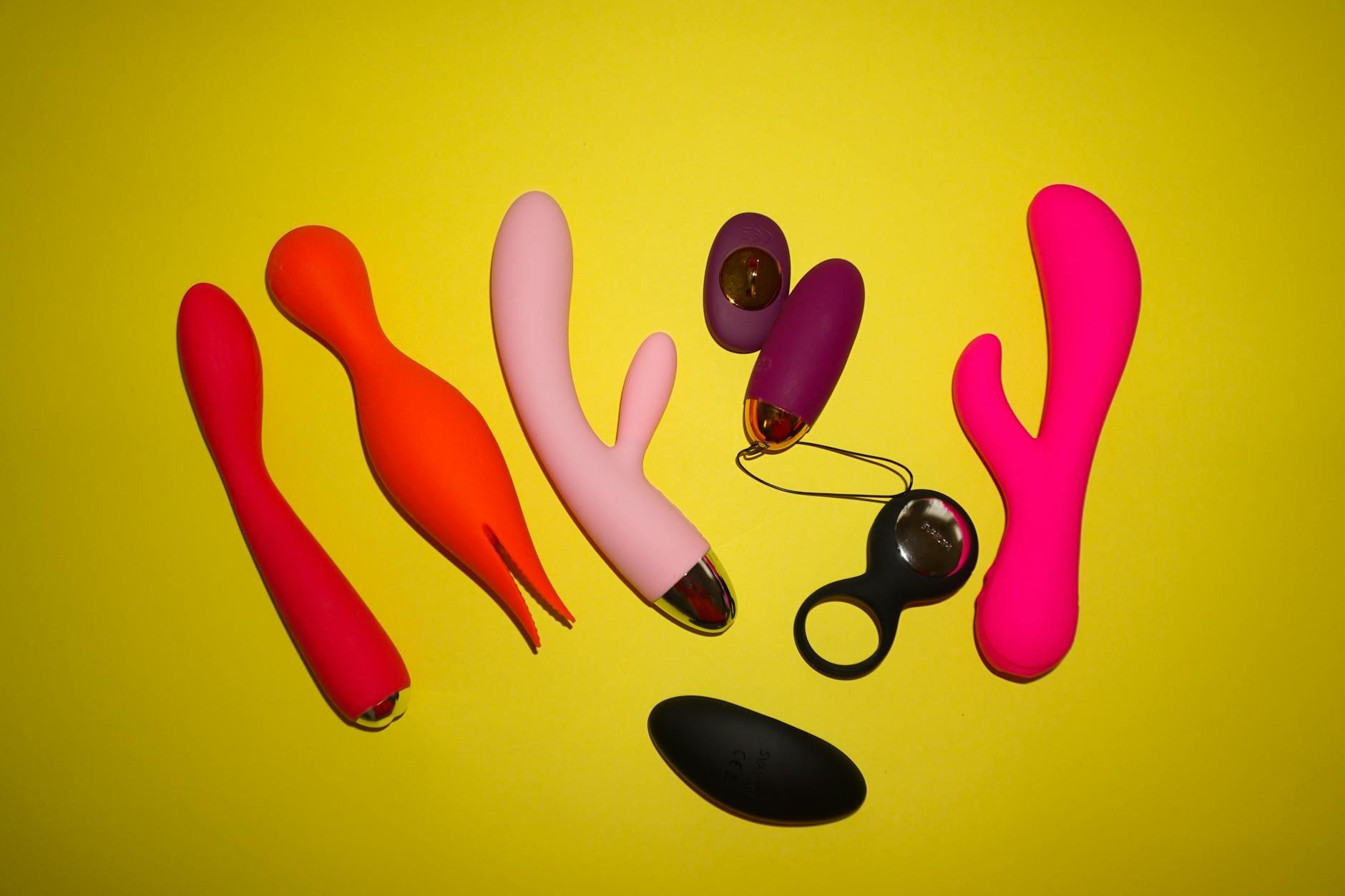
Here's the thing about bringing toys into your relationship
Most couples don't talk about it first. Instead, they perform a small crisis: one partner mentions it sideways, the other partner hears rejection, and suddenly you're both defending positions that aren't actually true. So let's skip that.
Introducing a lemon vibrator or any clitoral vibrator into partnered sex is not a referendum on your partner's skills. It's not a complaint wrapped in silicone. It's logistics. And logistics require a conversation, not a conversation substitute.
Why the conversation matters more than the toy
I've worked with hundreds of couples navigating this exact moment, and the pattern is always the same. The partner who initiates the toy conversation is usually worried about one thing: rejection, hurt, or perceived inadequacy on their partner's side. The partner hearing it is usually worried about a different thing: that they're not enough, that something is wrong, or that this signals the beginning of the end.
Both fears are real. Neither is true.
What actually happens when couples introduce lemon vibrators into their sex life isn't a downgrade. It's usually an upgrade in honesty. You stop performing what you think your partner wants and start communicating what you actually feel. That shift alone changes the sex.
Clitoral vibrators like the Lemon aren't replacements. They're collaborators. They let you build pleasure together instead of one person working and the other receiving. Which, honestly, feels different in ways most couples don't expect.
How to start the conversation outside the bedroom
Don't introduce the idea during sex. Full stop. That's not the time to negotiate or explain. That's sensory overload plus vulnerability plus potential hurt feelings all compressed into five minutes.
Instead, pick a moment when you're both clothed, calm, and there's no performance pressure. Early evening works. A walk works. Saturday morning coffee works. What doesn't work: during an argument, right before bed when someone is tired, or in the middle of a fight about something else.
Start with curiosity, not request. "I've been thinking about something and I want to know what you think" is a lot softer than "I want to buy a vibrator." Then be specific about what you're curious about, not what you think is wrong.
Good: "I read that a lot of couples use clitoral vibrators together and I'm curious if that's something you'd be open to."
Less good: "I can't come without a vibrator."
One invites partnership. The other creates a problem to solve.
Listen more than you talk. When your partner responds, their first answer probably isn't their real answer. Let them sit with it. Ask what they're feeling. The discomfort usually isn't about the toy. It's about something else. Insecurity, maybe. Feeling like they're not doing something right. Worry that you've been faking it for years. Most of these fears dissolve the second they're named out loud.
What actually changes in the bedroom
Once you've had the conversation and both agreed to try it, expect this: the first time is going to feel a little awkward. You're both thinking about the toy more than the sex. That's normal. It passes by the second or third time.
After that, things usually shift in three ways.
First, you have better access to what actually feels good for the person receiving. Lemon vibrators and other clitoral suckers work on the external clitoris with suction pressure rather than direct vibration. What that means: you can use it together. Your partner holds it, or you do, or you trade. You're both watching what happens. You're both learning what rhythms and patterns create the most pleasure.
Second, the person receiving has more control over their own pleasure. Instead of waiting for someone else to figure it out, they can guide intensity, pace, and pattern. That's not less partnered. It's more honest partnered.
Third, orgasm often gets easier and more reliable. For people with external clitorises, getting to orgasm through penetration alone is statistically unlikely. Adding a clitoral vibrator or lemon sucker during sex removes that frustration. Everyone relaxes. Sex feels less like a performance metric and more like, you know, pleasure.
The practical stuff: lube, positioning, and timing
If you're using a suction toy like a Lemon vibrator, you'll want water-based lubricant. Just a small amount around the opening of the toy. This creates the seal that makes the suction work properly.
Positioning matters because you need to not be on top of the toy while it's in use. So positions that leave the front of the body accessible work best. Spooning from behind, you on top facing your partner, lying on your back while your partner is between your legs. Think about sightlines too. Most couples find it hotter to see what's happening.
Timing is probably earlier in your sexual experience than you think. Don't wait until someone is already close to orgasm. Introduce the toy when you're maybe 30 percent of the way there. This takes pressure off. You're not rushing toward the finish line. You're exploring.
When a partner says no, and you want it anyway
Some partners will say no. That's their right. And here's the harder part: you have to actually accept it, not perform acceptance while quietly resenting it.
If this is a genuine incompatibility, that's a different conversation. That's the "is this a dealbreaker or can we find another way" conversation. But that's not the same as pressuring someone who's said no into saying yes.
What I usually suggest: ask why. Listen. Wait a few weeks. Try again. Sometimes the answer shifts once someone has time to sit with the idea and realize it's not actually threatening.
But if the answer stays no, you get to decide whether that's something you can live with. That's not a small decision. It's worth having that conversation clearly.
Using lemon vibrators with new partners
If you're in a newer relationship or dating, the timing shifts a little. You want to have established some sexual rhythm and trust before introducing toys. Usually three to five sexual encounters in is the sweet spot. Early enough that it feels natural, late enough that you're both relaxed.
The conversation framework stays the same. Calm, curious, outside the bedroom. But in newer relationships, you might also lead with what you know about yourself, not what you need from the partnership. "I usually use a toy during partnered sex and I'm wondering how you'd feel about that" is clearer and less loaded than "I need a vibrator to come."
Most newer partners find this actually reassuring. It means you know yourself. You're not ambushing them with a surprise during sex.
Introducing a lemon clitoral vibrator or any clitoral sucker into a new relationship also prevents a pattern I see a lot: partners learning three years in that their partner has never actually enjoyed the sex the way it's been happening. The toy comes out, and suddenly the person receiving finally has reliable pleasure. That's great. But it also raises the question: why did we wait three years? Talking about it early prevents that.
The reframe that actually helps
Here's what I tell couples when they're nervous about this: a vibrator is not a replacement for you. It's a tool you use together. The same way a vibrator is a tool, not a person, a hand job is a tool, a position is a tool. They all work together to create pleasure for both of you.
When you frame it that way, the stakes drop. You're not comparing yourself to a toy. You're adding something to what you already do.
The couples I work with who integrate toys most successfully are the ones who stop thinking of sex as a solo performance and start thinking of it as a conversation. A lemon vibrator is just part of that conversation.
FAQ: Partnered pleasure and toy integration
Will using a vibrator make my partner feel inadequate?
Only if you frame it that way. The actual research on this is clear: couples who use toys together report higher sexual satisfaction and more emotional intimacy. Your partner's adequacy isn't threatened by a toy any more than it's threatened by lube or a new position. But if your partner is already insecure, introducing a toy without reassurance can feel like confirmation of their fears. That's why the conversation matters. You're telling them explicitly: this is about adding pleasure, not about you being insufficient.
How do I know if my partner is secretly uncomfortable with the toy?
You ask. Directly. After sex, in a calm moment, check in. "That felt good to me, how was it for you?" Sometimes partners will say yes to something they're not actually comfortable with. That's why ongoing consent matters. You can revisit this conversation multiple times. The first yes doesn't lock you in forever. But you have to actually create space for them to change their mind without judgment.
What if my partner wants to use a toy but I'm the one who's hesitant?
Same framework. Your hesitation is probably not actually about the toy. It's about something the toy represents. Inadequacy. Aging. Change. Feeling like you're not enough. Name that. Let your partner help you work through it. Sometimes the answer is that you try it and it's not as scary as you thought. Sometimes the answer is that you need more time. Both are valid.
Is it better to surprise my partner with a toy or ask first?
Ask first. Always. Surprise toys almost always backfire. They create a moment of shock followed by a conversation you should have had before the toy showed up. The conversation is better when there's no toy in the room and no sexual pressure. Do the conversation work first. Then you both get to choose the toy together, which actually makes the experience better for both of you.
Can we use lemon vibrators if one of us doesn't have a clitoris?
Not in the traditional sense, but the principle applies: if one of you wants to introduce any toy into partnered sex, the conversation is the same. Curiosity, honesty, checking in after. The specifics change but the framework doesn't. Partners without external clitorises can use toys on their partners, or their own toys can be integrated into your shared experience. The key is that you're both choosing it.
What if we try it and hate it?
Then you stop using it. You're allowed to try something and decide it's not for you. That's not failure. That's data. What matters is that you both got to have the experience and form your own opinion about it instead of one person imagining it was better or worse than it actually is.
The actual takeaway
Bringing a lemon vibrator into your partnered sex life is not a crisis moment. It's just one more conversation in a long line of conversations that make a relationship actually work. The couples who do this well aren't the ones with the hottest sex. They're the ones who can talk about what they want without shame and listen to their partner without defensiveness.
That skill transfers everywhere. It's the same conversation you have about money, about kids, about where to live. It's the relationship muscle that matters most.
So have the conversation. Be honest. Listen. And then try the toy. You might find it changes more than just the sex.