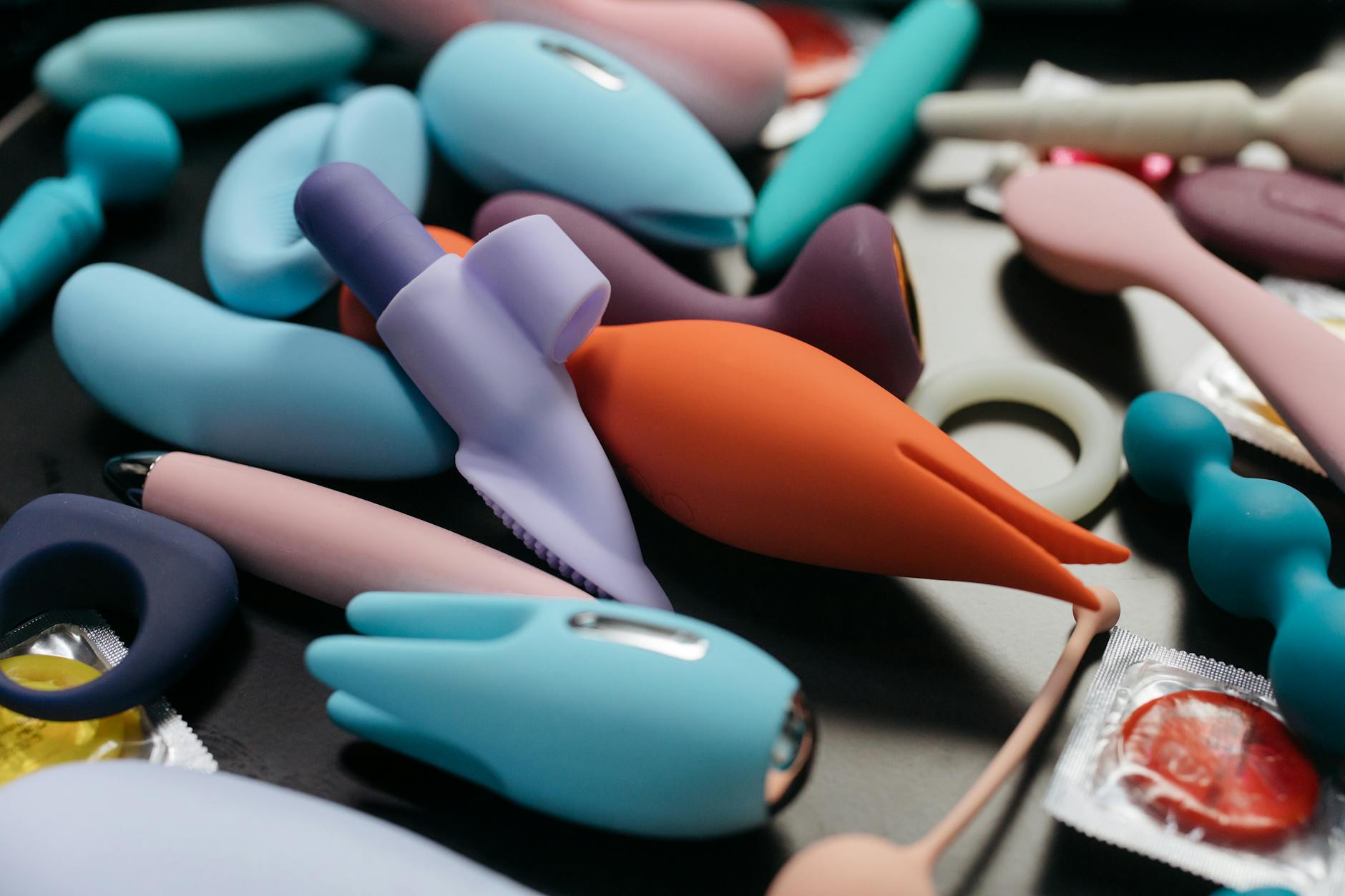
Let's talk about vulva diversity, because most sex toy design doesn't
Here's the thing: the clitoris is a complex organ, and it looks different on nearly every person. Hood depth varies. Clitoral prominence varies. Sensitivity hotspots shift. What feels incredible for one person can feel like too much or not enough for someone else. Most vibrators pretend this doesn't matter. They're built to one spec and expect every body to adapt. That's backwards.
Lemon vibrators work differently because they're engineered for flexibility, not one-size-fits-all pressure. The design delivers stimulus across a wider surface area, which means your anatomy determines the fit, not the toy.
How clitoral anatomy actually changes pleasure response
Your vulva's structure affects three things: how much direct contact you can tolerate, where your most sensitive nerve endings cluster, and how long arousal takes to build. None of these are flaws. They're just variables.
People with a prominent clitoris often prefer toys that surround rather than press directly down. Those with a deeper hood may need a bit more intensity to feel stimulation clearly. Some folks have a cluster of sensitivity on the left or right side, which means toys that apply pressure unevenly can feel more intense than symmetrical designs.
Lemon vibrators address this through their shape and the breadth of their stimulation. Rather than a narrow vibration point (which intensifies pressure), they distribute sensation across the clitoral complex. This means whether your anatomy is on the prominent side or the hooded side, the toy is contacting what's there rather than missing or overstimulating.
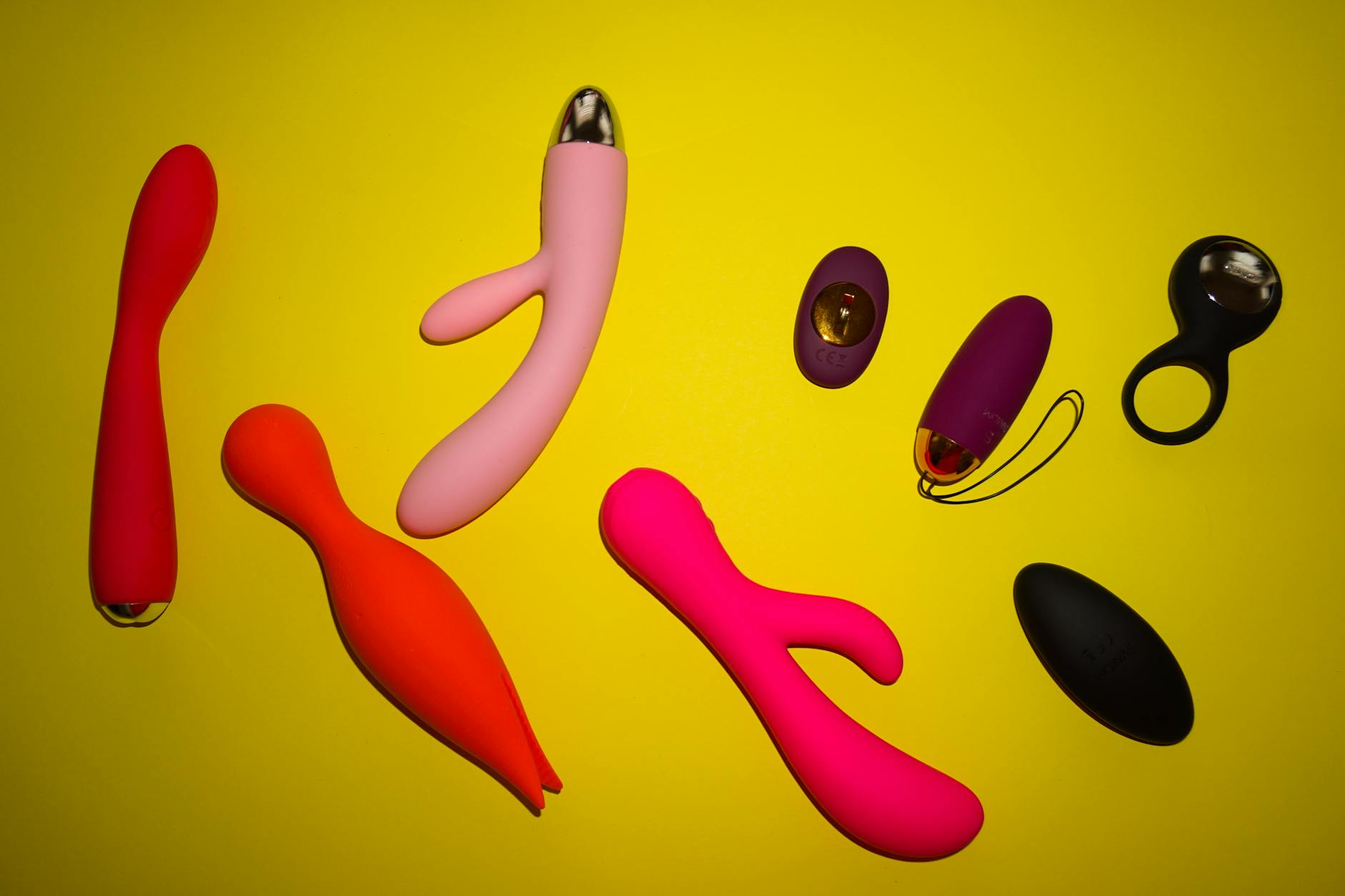
Photo by FounderTips on Pexels
Why lemon sexual toys adjust to bodies instead of the reverse
Traditional vibrators force your body to meet the toy. You tilt at awkward angles, press harder, or settle for "good enough." None of that should be necessary.
Lemon clitoral vibrators work because they're designed for positioning flexibility. The shape lets you angle the contact to match your anatomy, not fight it. If your sensitive spot sits off to one side, you can angle the toy there. If you need broader contact, you can shift it. The stimulation pattern stays consistent, but where that pattern lands is entirely up to you.
This matters wildly for people with larger labia, asymmetrical anatomy, or a lot of natural variation in their vulva's structure. You're not forcing yourself into a position that was designed for someone else's body. You're finding the angle that works, and the toy is capable of delivering consistent sensation from any of those positions.
Size, shape, and sensitivity: how lemon adult toys meet you where you are
Size diversity in the clitoris is real. The external part ranges from roughly the size of a pea to the size of a small grape. This alone changes what kind of stimulation feels best.
Smaller external clitoris? You typically benefit from more precise contact and maybe a bit more intensity to register clearly. Larger clitoris? Broader stimulation often feels better because you're engaging more nerve endings at once. Lemon vibrators' design accounts for this range. The wider contact surface means people on both ends of that spectrum can find their sweet spot without switching toys.
We also see variation in tissue sensitivity based on hormones, age, sexual history, and plain old genetics. Some vulvas are more reactive to light touch. Others need deeper, more sustained pressure. The adjustable intensity on lemon vibrators means you can start low and find your baseline rather than being stuck with a single power level that doesn't match your body.
Why pattern matters more than you think when bodies are different
Intensity is one dial. Pattern is another. The rhythm of stimulation can feel radically different depending on your anatomy and what your nervous system is primed for on any given day.
Lemon vibrators offer multiple patterns specifically because bodies respond differently to rhythm. Someone with high sensitivity might love a steady hum. Someone else might find that monotonous and need a rising-and-falling pattern to build arousal. A third person might want rapid pulses. Rather than guessing which pattern your body needs, the toy gives you options.
This adaptability is huge for people across the pleasure spectrum. You're not stuck with what works for someone else. You adjust the pattern and intensity until the combination clicks for your specific anatomy, at that specific moment.
What about positioning and reach? That's anatomy too
Not everyone can comfortably reach their clitoris from the same angle. Some vulvas sit higher on the body. Some lower. Hood depth, distance between your clitoris and your vagina, even the angle of your pelvis affects what positioning feels natural.
Lemon vibrators' ergonomic design accommodates this. The shape and grip work for external stimulation whether you're lying flat, on your side, or in a supported position. People with limited mobility, arthritis, or postural pain can use these toys because the angle of approach is adjustable. You're not locked into one position the way some traditional vibrators are.
That flexibility matters for bodies across the pain spectrum too. If you have pelvic floor tension, certain angles might feel better than others. If you have scar tissue from childbirth or surgery, direct pressure from certain angles might be uncomfortable. The toy's design lets you find the angle that works without sacrificing sensation.
The role of lubrication varies by anatomy, and that changes everything
Tissue thickness and natural lubrication production vary widely. Some people produce tons of lubrication easily. Others produce less, or their body's production slows with age or hormonal shifts. Neither is a problem if you understand it.
Because lemon vibrators deliver broader, less concentrated pressure, they work well with or without supplemental lubricant. Some people will want to add water-based lube for comfort. Others won't need it. The toy adapts to whatever your specific tissue requires, rather than demanding a certain amount of moisture to feel good.
This is huge for folks with hormonal IUDs, those taking certain medications, or anyone in perimenopause or postmenopause. Your natural lubrication is changing. A toy designed for one body's standard lubrication profile can feel wrong on yours. Lemon vibrators work across that range.
Building your own pleasure map with lemon vibrators
Here's what I tell clients: your anatomy is not a problem to solve. It's information. The goal is to learn how your specific body responds, then choose tools that meet you there.
Start low on intensity and pattern 1 or 2. Spend time learning where the sensation lands most clearly on your anatomy. Notice whether you prefer steady rhythm or varied patterns. Notice whether you want light contact or more pressure. There's no universal right answer. Only what works for your body right now.
Then dial in. Adjust intensity. Try a different pattern. Change your angle slightly. The beauty of lemon vibrators is that they're responsive enough to let you do this exploration without the toy limiting your options.
Common questions about vibrators and anatomical differences
Does vulva size affect which vibrator works best?
Size alone doesn't determine fit. What matters is where your sensitive tissue sits, how much hood depth you have, and your tissue sensitivity level. A person with a larger vulva might need a toy with a broader contact surface, which lemon vibrators provide. A smaller vulva might prefer the same tool for different reasons. The variable here isn't size. It's your specific sensitivity map, which is personal regardless of vulva size.
Why do some people need more intense vibration than others?
Neural sensitivity varies between individuals based on genetics, age, hormonal status, and sexual history. People with lower nerve density in their clitoris might need higher intensity to register sensation clearly. People with high sensitivity might find strong vibration overwhelming. Lemon vibrators' adjustable intensity settings account for this biological range without requiring you to buy multiple toys.
Can hooded clitoris people use vibrators the same way?
Absolutely, but approach differs. A deeper hood means less of your clitoris sits exposed, so you might prefer slightly higher intensity to feel clear sensation. You might also angle the toy differently to engage the tissue that's accessible. Lemon vibrators' flexible design supports both adjustments without needing a specialized toy.
What if stimulation feels too intense no matter the body position?
Start at the lowest intensity and consider using the toy through underwear or a thin barrier, which softens contact. Let arousal build fully before increasing intensity. Sometimes sensation feels overwhelming not because the toy is wrong, but because you're not yet aroused enough to receive the stimulus comfortably. Patience here is the variable, not the toy.
Do hormonal changes affect how lemon vibrators feel?
Yes. Estrogen affects tissue thickness and sensitivity. Progesterone affects arousal speed. Testosterone affects desire and sensation intensity. As hormones shift across your cycle, perimenopause, postmenopause, or with hormonal contraception, the same vibrator might feel different. This is normal. You might need to adjust intensity or warming time as your hormones change. The toy stays the same. Your settings adapt.
Can people with pelvic pain use lemon vibrators?
It depends on pain type and location. If your pain is clitoral sensitivity or external tension, gentle stimulation from a lemon vibrator often helps because you control pressure and angle. If your pain is deeper or more complex, talk with a pelvic floor physical therapist first. They can help you understand what positioning and pressure level is safe for your specific situation. Many clients find lemon vibrators work well once they've identified their comfort zones.
Your anatomy is not a limitation. It's your blueprint.
Every body is wildly different, and that's the whole point. Lemon vibrators work across that spectrum because they're engineered with flexibility in mind. Not one pressure point. Not one intensity. Not one rigid design. Instead, a tool that lets your unique anatomy determine how the pleasure unfolds.
If you're curious about whether a lemon vibrator might work for your body, the honest answer is probably yes. The better question is what settings and angles would work best for you specifically. That's the exploration worth having.
Want to talk through your specific setup? Reach out to our team. We're here to help you find what works for your body.