Let's be honest about the awkward part
You want to bring a toy into bed with a new partner, and you're genuinely unsure if that's going to feel emancipating or insulting to them. That tension is real. Most of my couples therapy clients sit in exactly that discomfort before they speak up. And here's what I've learned: the conversation is almost never as fraught as the imagined one.
Introducing a lemon clitoral vibrator to a fresh relationship is not a referendum on your partner's ability to pleasure you. It's an invitation. And done right, it's one of the most honest things you can do.
Why bringing it up matters more than which toy you choose
The tool itself is secondary. What actually builds trust and excitement is how you frame it. When you say "I'd like to explore this together," you're saying several things at once: I trust you enough to be vulnerable. I want us to be curious together. My pleasure is something I care about, and I want you to care about it too.
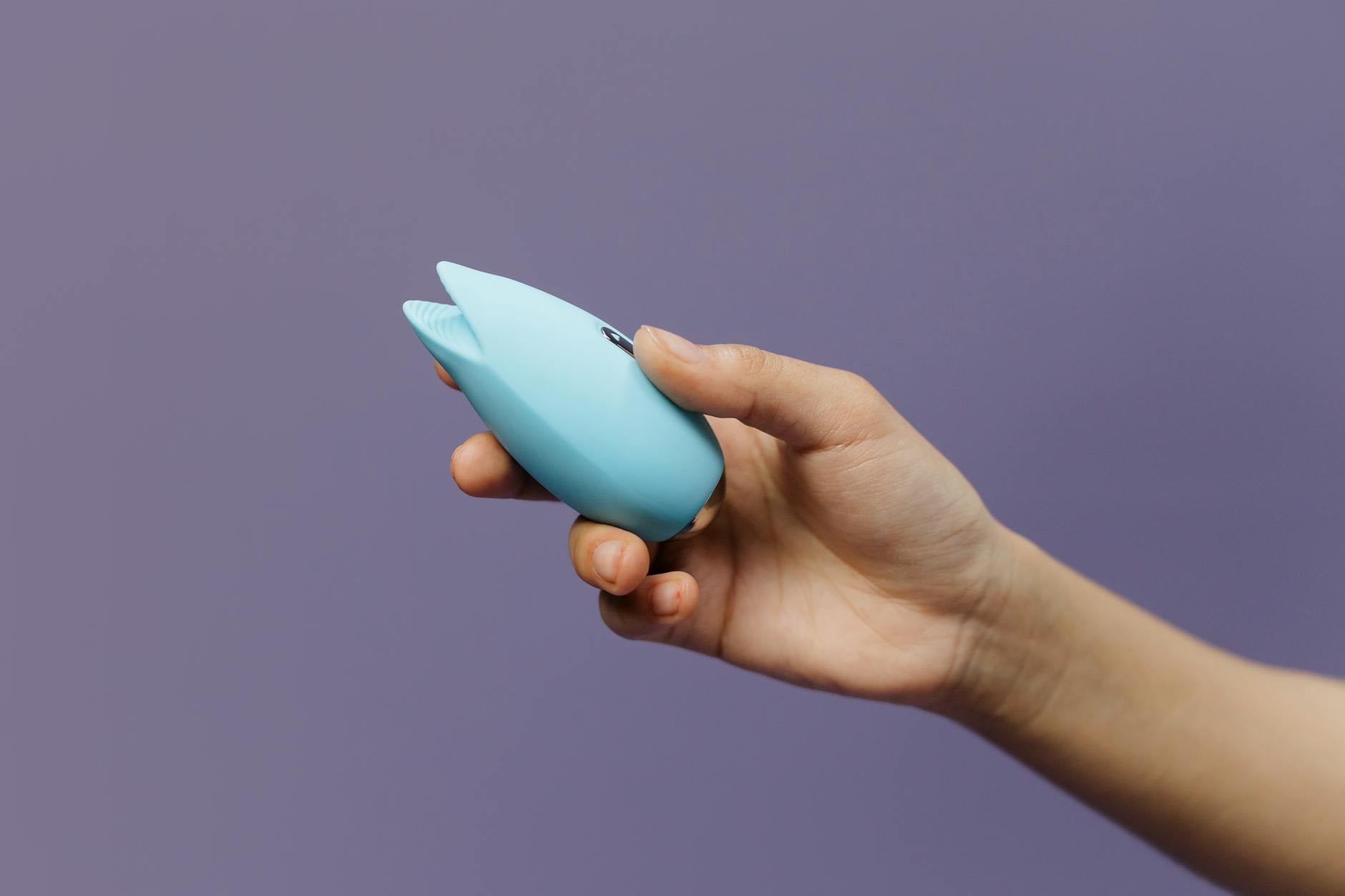
A clitoral vibrator like the Lemon is essentially a neutral third party. It's not about replacing your partner. It's about adding a dimension that neither of you can create alone. And because lemon vibrators use suction stimulation rather than pure vibration, they feel genuinely different from what hands or other bodies can do. That novelty is what makes the conversation easier, actually. You're not saying "I need something you can't give me." You're saying "I want to try this new sensation with you."
The conversation framework that actually works
Timing matters. Don't bring this up mid-argument, when either of you is tired, or during sex. Pick a moment when you're both relaxed, clothed, and have privacy.
Start with context, not the ask. "I've been thinking about exploring more with my own pleasure" is different from "You're not doing enough." One is about you. The other sounds like blame. Say: "I've always been curious about trying different things, and I realized I want to explore that with you."
Be specific about what you're interested in, not vague. "I want to try some new things" creates more anxiety than "I've been reading about clitoral vibrators, and there's one called the Lemon that uses a suction method I'm curious about." Naming the actual product removes mystery and makes it real.
Invite genuine response. Don't lead with "Is that okay?" That puts them on the defensive. Instead: "What do you think about that?" or "How does that land for you?" Give them room to feel whatever they feel. If they're hesitant, curious, excited, or wary, all of those are fine. You're gathering information, not campaigning.
The most common resistance and what it usually means
If your partner says something like "Do I not satisfy you?" they're not actually asking a question. They're expressing anxiety. The response is not to defend yourself but to reassure them. "I'm satisfied. This isn't about lack. It's about expansion. I want more pleasure, and I want to explore it with you." That shift from defensive to clarifying is everything.
Some partners worry that toys create dependency or numbness. That's a real concern worth addressing. You can reference the actual science: lemon clitoral vibrators and similar tools don't cause permanent numbness. Your body adapts, and sensation returns after breaks. You can be honest that you've thought about this and aren't worried.
Others feel left out or emasculated. This one's trickier because the worry is rooted in cultural messaging about what sex "should" be. The antidote is inclusion. "I want you involved. I'm not trying to do this alone." And then actually involve them. Let them hold it, control it, or explore what feels good together. Make it collaborative.
How to actually use lemon vibrators together without it being weird
Start outside the bedroom if that feels safer. Have the toy visible, let them touch it, understand how it works. Demystifying the object removes the strangeness. A lemon vibrator is just plastic and technology. It's not mysterious once you've held it.
When you do use it together, communicate as you go. "That feels good" or "Let me try a different setting" or "Can you hold it while I direct?" This isn't necessarily verbal. It can be a hand movement, a nod. But dialogue keeps you both present and responsive.
Don't expect fireworks the first time. Most couples need a few sessions to figure out positioning, pressure, timing, and what actually works. That's not failure. That's learning. And learning together is bonding.
Many partners find they enjoy using the toy on their partner more than they expected. There's something genuinely satisfying about exploring someone's pleasure, and clitoral vibrators let partners participate in a way that's actually collaborative. The toy becomes a tool for mutual exploration, not a replacement for anything.
The emotional landscape shifts when you bring toys in
What I've observed in my practice is that couples who successfully introduce toys into their sex lives report feeling closer overall. Not because the toys are magic, but because they've had a conversation about desire that most long-term partners never have. You've said out loud that you want more, you're curious, you trust your partner enough to be vulnerable about that.
There's also often a shift in how partners think about pleasure. Instead of sex as a performance or a race to climax, it becomes about exploration. That's genuinely good for long-term desire and connection.
What if they want to say no?
That's okay. Not everyone is ready for this conversation, and some people never will be. If your partner says they're not interested, don't push. But do listen to why. Is it discomfort with the object itself? Fear that they're inadequate? Religious or cultural beliefs? A genuinely low sex drive that means toys feel irrelevant?
The reason matters because it determines your next step. If it's fear or insecurity, you can reassure. If it's fundamental misalignment on what pleasure should look like, that's worth naming and exploring together, maybe with help. A therapist who specializes in intimacy can be invaluable here.
If you want to explore and they consistently don't, you'll need to decide what that means for you. Not as a threat, but as a real question about compatibility.
FAQ: Introducing lemon vibrators to new relationships
How soon in a relationship should you bring this up?
There's no magic timeline. Introduce it when you've had sex a few times and trust each other enough to be honest. For some couples that's a few weeks. For others, a few months. If you're thinking about it, the relationship is probably ready.
What if they ask to try it alone first?
Some partners want to understand the toy without an audience. That's totally reasonable. Let them explore. They might come back excited, or they might feel wary. Either way, you get real information about what they think.
Is it weird if your partner wants to use a clitoral vibrator on themselves while you watch?
Not weird at all. Many people find that watching their partner explore pleasure is genuinely hot. And for the person using the toy, having a partner present and engaged can feel deeply intimate. This is actually a really healthy way to introduce toys.
Should you use a lemon vibrator every single time you have sex?
No. You shouldn't use it every time because novelty matters, and because sometimes you want different sensations. Use it when you both feel like it. That might be every other time, or once a week, or once a month. The point is choice and variety, not routine.
What if using the toy together feels awkward the first time?
It probably will. You're doing something new, you're vulnerable, you might be self-conscious. That's completely normal. Awkwardness often passes with familiarity. If it doesn't, talk about what felt off. Maybe the position doesn't work. Maybe you need more lube. Maybe you need to slow down. Troubleshooting together is part of the process.
How do you know if it's actually working or if you're faking enjoyment for their sake?
You can't, unless you're honest. And honestly, if you're faking to protect their feelings, you've recreated the exact dynamic you were trying to escape. The whole point of introducing a toy is to open up real communication about what feels good. If it doesn't feel good, say so. "That's not quite hitting it for me. Can we try...?" Your partner can handle that. It's actually what they want to hear.
Bring it home
Introducing a lemon clitoral vibrator to a new relationship is one of the clearest things you can do for long-term intimacy. You're saying your pleasure matters. You're inviting partnership. You're refusing to hide part of yourself.
Yes, the conversation is vulnerable. But vulnerability is how trust actually forms. And trust is what makes everything else better. If you're ready to have this conversation, you're ready. Start with honesty, stay curious, and let your partner surprise you with their openness. Most will.
For more on bringing partners into your pleasure journey, check out how to use lemon vibrators with a partner or how to use lemon vibrators for deeper orgasms with a partner. And if anxiety is making this harder, this guide on using toys with trauma or anxiety might help too.