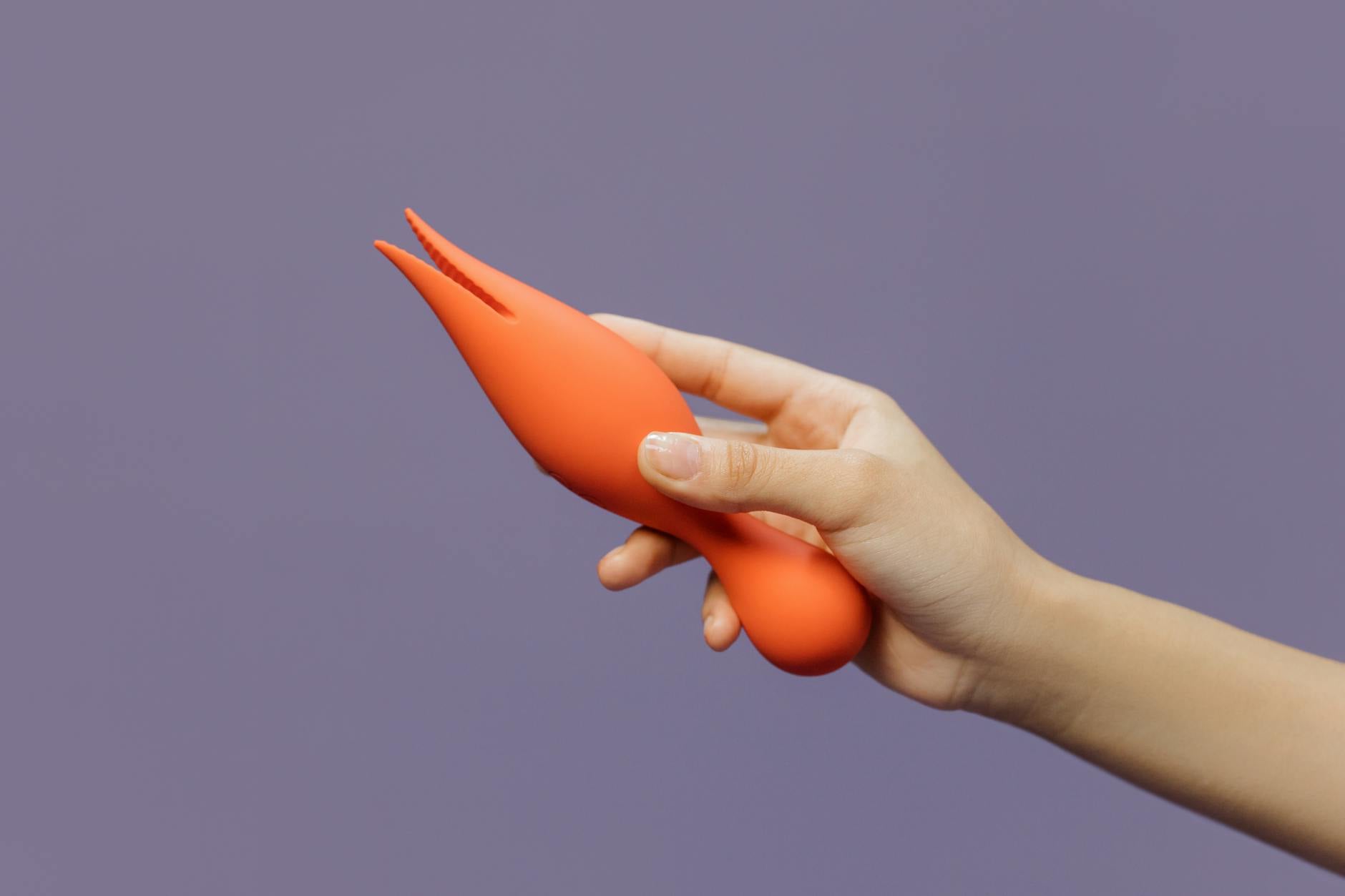
Here's what nobody tells you about taking a break
You step away from pleasure for a few weeks, a few months, maybe longer. Life happens. Work explodes. A relationship ends. You're grieving, healing, or just burnt out. Then one day you pick up your lemon vibrator again, and suddenly it feels almost too strong. The same intensity you've used a hundred times now feels like it's firing on all cylinders.
This isn't your imagination. Your nervous system has actually reset.
The science behind sensation recovery
When you use a clitoral vibrator regularly, your nerve endings adapt. This is called habituation. Your body gets efficient at processing the stimulation, so the same vibration intensity produces a smaller subjective sensation over time. It's the same reason a constant background noise stops bothering you after a week in a new apartment.
When you take a break, that habituation lifts. Your nerve endings aren't being flooded with repeated signals, so they regain their baseline sensitivity. The receptors on your clitoral tissue essentially "reset" to factory settings. This typically happens over two to three weeks, though it can be faster or slower depending on how long you were using your toy regularly before the break.
The brain's role matters too. Sexual response lives as much in your head as in your body. When you step away from pleasure, the anticipation builds. Your dopamine system (the reward pathway) has been quiet, so when you return to sensation, your brain responds more dramatically. This creates a compounding effect: nerve sensitivity goes up at the same time your psychological arousal is higher. The result feels like your lemon vibrator has turned up on its own.
What's actually happening in your body
Three physiological shifts explain the intensity spike.
1. Nerve receptor sensitivity increases. The touch-sensing receptors in your clitoral tissue (particularly the Meissner's corpuscles and Pacinian corpuscles that respond to vibration) stop being bombarded. In their resting state, they fire more readily in response to the same stimulation.
2. Pelvic blood flow recalibrates. Regular stimulation trains your vascular system to respond quickly. During a break, your baseline pelvic blood flow returns to normal. When you restart, the initial engorgement and arousal response feels sudden and obvious because the contrast is real.
3. Neuroplasticity works in reverse. Your brain's sensory cortex is constantly reorganizing based on input. Less input means less neural real estate devoted to that sensation, so when stimulation returns, it gets more attentional resources. Your brain is literally paying more attention than it was before the break.
This is why returning to pleasure after time away often produces unexpectedly intense sensations. You're not broken. You're actually more responsive.
Why the intensity can feel uncomfortable at first
More sensitive doesn't always feel good initially. Some people describe returning to their lemon vibrator after a break as "too much" or "almost overwhelming." This is normal and temporary.
Your nervous system needs a reintroduction period, not a shock. If you've been away for more than a few weeks, starting on a lower pattern is genuinely useful. Not because you've regressed, but because your tissue needs a moment to remember this sensation and adjust its threshold. It's like turning up the volume on a speaker gradually instead of blasting it at full volume.
There's also the emotional piece. If the break happened because of stress, grief, or relationship transition, pleasure can feel jarring when you return to it. Your body might register the vibration as intense when what's actually happening is that pleasure feels unfamiliar or even slightly risky emotionally. This is worth acknowledging separately from the pure neurological sensation increase.
How to use your lemon clitoral vibrator safely after a break
Five practical steps for a smooth return.
Start at pattern one or two, not your usual setting. You know your body, but your body's current sensitivity is different than it was. Spending three minutes at a lower intensity before ramping up prevents overwhelming yourself and gives your nervous system a chance to recalibrate.
Extend your warm-up time. Mental arousal takes longer to build after a break too. Budget 10-15 minutes of foreplay, touching, fantasy, or whatever gets you mentally engaged before introducing your toy. A well-aroused body feels sensation differently than a neutral one.
Use lubrication even if you didn't need it before. Time away can affect natural lubrication production, particularly if hormones or life stress played a role in the break. Water-based lubricant makes everything feel smoother and reduces the shock of direct stimulation.
Session one is not performance day. The goal of reintroducing your toy is exploration and reconnection, not orgasm. Pressure to climax can actually make the sensation feel more intense and harder to process. Let yourself have a "just feeling it" session first.
If numbness emerges, space out your sessions. If the initial return is so intense that you then swing toward numbing to manage it, slow down. One session every other day for a week, then reassess. Your nervous system needs time to find its new baseline, and that happens gradually.
The pleasure advantage you actually have
Here's the part that's easy to miss: returning after a break isn't a setback. It's a feature.
Resensitization is temporary, but it's also powerful. Many people describe their first few sessions with a lemon vibrator after time away as among the most satisfying they've experienced. The combination of heightened nerve sensitivity and genuine anticipation creates a different quality of pleasure than routine use.
If you're working with a partner during this return, it's worth mentioning what's happening. Some partners worry that intense response means you need a different toy or that something is wrong. Explaining that your body is literally more sensitive right now because of the break can actually deepen intimacy. It's a real physiological phenomenon, not a mystery.
For solo pleasure, this resensitization is a gift. You get to experience your toy almost new again. The patterns that felt routine before might feel nuanced. Settings you'd moved past might become interesting again.
When intensity remains high after two weeks
If you're still feeling the stimulation as intense after two weeks of regular use, a couple of things might be happening.
Your usage pattern might have shifted. If you were using a lemon vibrator three times a week before your break and now you're using it daily, that accelerated schedule could keep sensitivity elevated for longer. Spacing out sessions helps habituation happen at a predictable pace.
Hormonal changes could be playing a role. If the break corresponded with a shift in your menstrual cycle, hormonal birth control changes, or other endocrine shifts, that affects baseline nerve sensitivity independent of habituation.
Emotional factors matter too. If there's residual stress, anxiety, or relationship tension, your nervous system stays in a heightened state, which makes sensation feel more pronounced. Working with that emotional backdrop can actually help sensation return to a more comfortable baseline faster.
What the research actually says
The formal science on vibrator use and habituation is still emerging, partly because this research has been dramatically underfunded relative to male sexual response. What we know comes from studies on vibrotactile threshold (the minimum vibration intensity you can feel) and from clinical observations across thousands of therapy sessions.
Vibrotactile habituation is well-established in the somatosensory literature. Whether that habituation is as pronounced with pleasure-focused stimulation as it is with neutral vibrational stimuli remains an open question, but clinical reports from therapists, sex educators, and people using tools like the lemon clitoral vibrator consistently align with the habituation model.
The one thing research is clear about: returning to sexual activity after a break increases pleasurable sensation across all types of stimulation. This isn't unique to toys. The mechanism, though, appears to involve the same resensitization we've discussed.
FAQ
How long does it take for sensitivity to return after a break from using lemon vibrators?
Most people notice a shift within two to three weeks of stopping regular use. Full resensitization happens faster than the habituation that preceded it, so if you were using a lemon vibrator frequently, you might regain most of your baseline sensitivity in that window. That said, the factors vary. If your break involved stress or hormonal changes, the timeline might be different.
Can you use a lemon vibrator too much and permanently damage sensation?
No, permanent damage isn't the concern. What happens with very frequent use is sustained habituation, which means you might need higher intensity or different patterns to feel the same sensation. But that's reversible. Stop using it for a few weeks and sensation returns. This is different from nerve damage, which has a very different clinical presentation and is extremely rare from vibrator use.
Is it normal to feel overwhelmed by your lemon clitoral vibrator's intensity when you first use it again?
Completely normal. You're not doing anything wrong. Your nerve endings are literally more sensitive, and your brain is paying more attention. It passes quickly. Lowering the pattern, adding more lubrication, and extending your warm-up time all help smooth the reintroduction.
Why do some people experience numbness after return if sensation is supposed to increase?
If you start too intensely, your nervous system can respond by dampening sensitivity as a protective mechanism. This is different from the initial sensitivity boost. It's your body saying "that's too much, I'm going to reduce how much I feel." Backing off intensity and spacing out sessions usually resolves this within a few days.
Does taking a break make your lemon vibrator feel like a completely different toy?
Not completely different, but noticeably fresher. The same patterns might feel more textured or nuanced than they did before. Some people discover they like different settings after a break. Part of that is genuine resensitization, and part of it is that your preferences might have shifted during the time away. It's worth experimenting.
Should you use a different lemon vibrator after a long break, or stick with what you know?
Stick with what you know if you have a tool you trust. The resensitization is happening regardless of which toy you use, so introducing novelty at the same time introduces an extra variable. Once your sensitivity has recalibrated over a few weeks, that's a great time to experiment with different devices if you're curious. For now, familiar is your friend.
The bottom line
Your lemon vibrator didn't change. You did. And that's actually good news.
Taking a break from pleasure isn't a step backward. It's a reset button. Your nerve endings get to start fresh, your anticipation builds, and your dopamine system gets reactivated. All of that combines into an experience that often feels richer and more satisfying than routine use.
If you've been away for a while and you're considering returning to your Hello Nancy lemon clitoral vibrator, know that what you're about to experience is normal, temporary, and surprisingly enjoyable once you've given your nervous system a gentle reintroduction. Start low, take your time, and trust that your body knows exactly what to do.
For questions about your specific situation or concerns about what you're experiencing, reach out. We're here to help make your return to pleasure feel exactly right.
Want more guidance on reintroducing pleasure after a break? Check out our article on how to use a lemon vibrator when you've taken a long sexual break for a detailed walkthrough. Or if you're navigating relationship shifts alongside your return to solo pleasure, why lemon vibrators feel different when you return to partnered sex covers that specific dynamic.